
Back to School Mental Health Newsletter: Starting the Year Strong
The back-to-school period is one of the highest-stress transitions in a student's calendar year. New teacher, new classmates, new expectations, sometimes a new building. Most students navigate it successfully. Some do not. The school's mental health communication at the start of the year is how families learn that the school is watching, that support exists, and that asking for help early is always the right move.
Introduce the School Counselor as a Person
The mental health newsletter should open with a personal introduction from the school counselor. Not a role description -- a human introduction. "Hi, I am [Name], the school counselor for grades 3 through 5. This is my fourth year at this school and my favorite part of this job is getting to know students before they need me, so they already feel comfortable when they do." Families who know the counselor's name and have a sense of who they are as a person are more likely to reach out when they have a concern than families who know only that "a counselor" is available.
Describe What the Counselor Actually Does
Many families have no clear understanding of what a school counselor does day to day. Clarify it directly. School counselors provide individual support for students facing academic, social, or emotional challenges. They run small group sessions for specific needs. They are the first call for students in crisis. They connect families to community resources. They collaborate with teachers on classroom support for specific students. This kind of clear description demystifies the role and makes families more comfortable using it.
Signs a Student Might Benefit From Support
Give families a brief, plain-language description of signs worth mentioning to the counselor. Persistent changes in mood, energy, or interest in activities the child previously enjoyed. Significant changes in sleep or appetite. Withdrawal from friends or family. Increased irritability, tearfulness, or expressions of hopelessness. Anxiety that interferes with daily functioning. Frame these as signals worth noting, not diagnoses. A family that knows what to watch for is more likely to reach out early, before concerns intensify.
The Referral Process in Plain Terms
Tell families exactly how to start a conversation with the counselor. An email to this address. A call to this number. A note sent through the teacher. And what happens after they reach out: when they can expect a response, whether the student will be pulled from class to meet with the counselor or scheduled at a less disruptive time, and whether the parent will be contacted after the initial meeting. Families who understand the process are not afraid to use it.
Community Resources Beyond the School
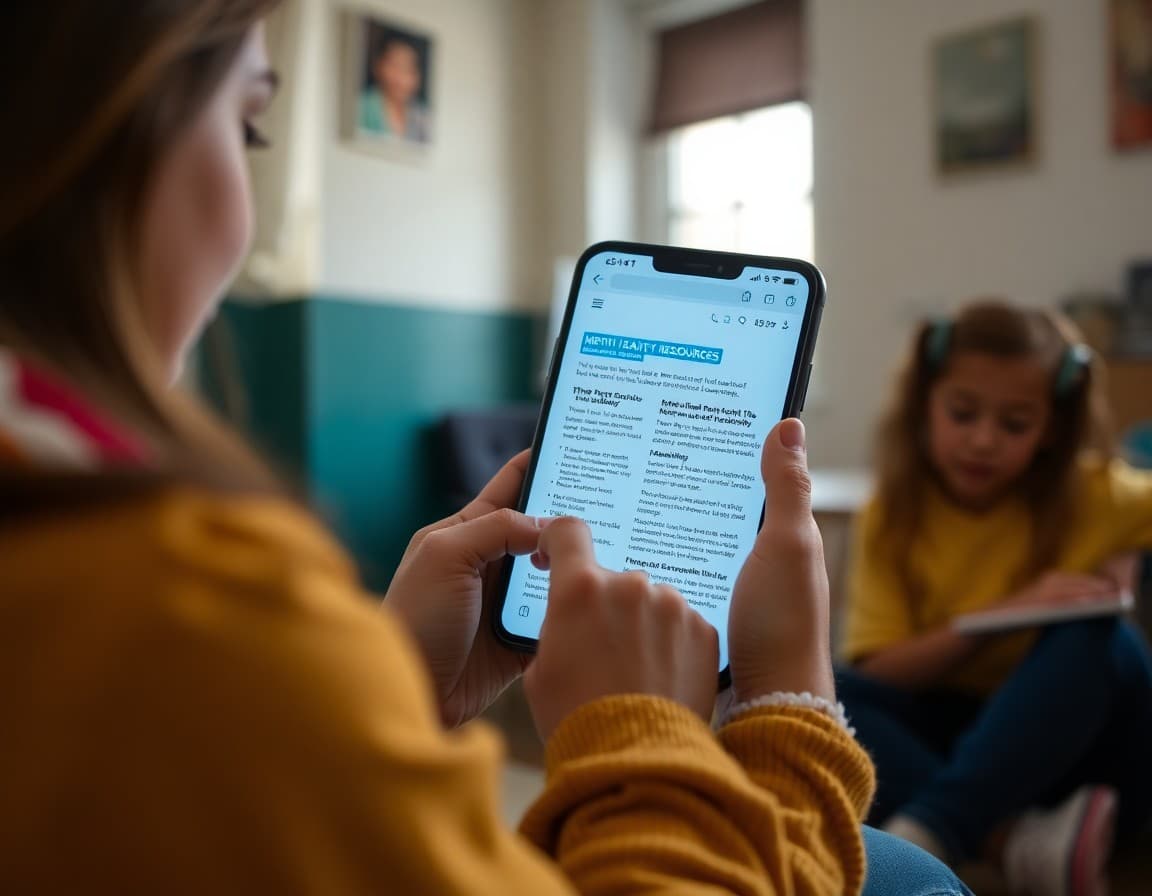
Some students need support the school counselor cannot provide alone. Your newsletter should include a brief list of community mental health resources: crisis lines, community mental health centers, telehealth options for families who need evening or weekend support. Include the 988 Suicide and Crisis Lifeline as a standard resource. Families should not have to search for these numbers on their own in a difficult moment.
What Happens on the First Day for Nervous Students
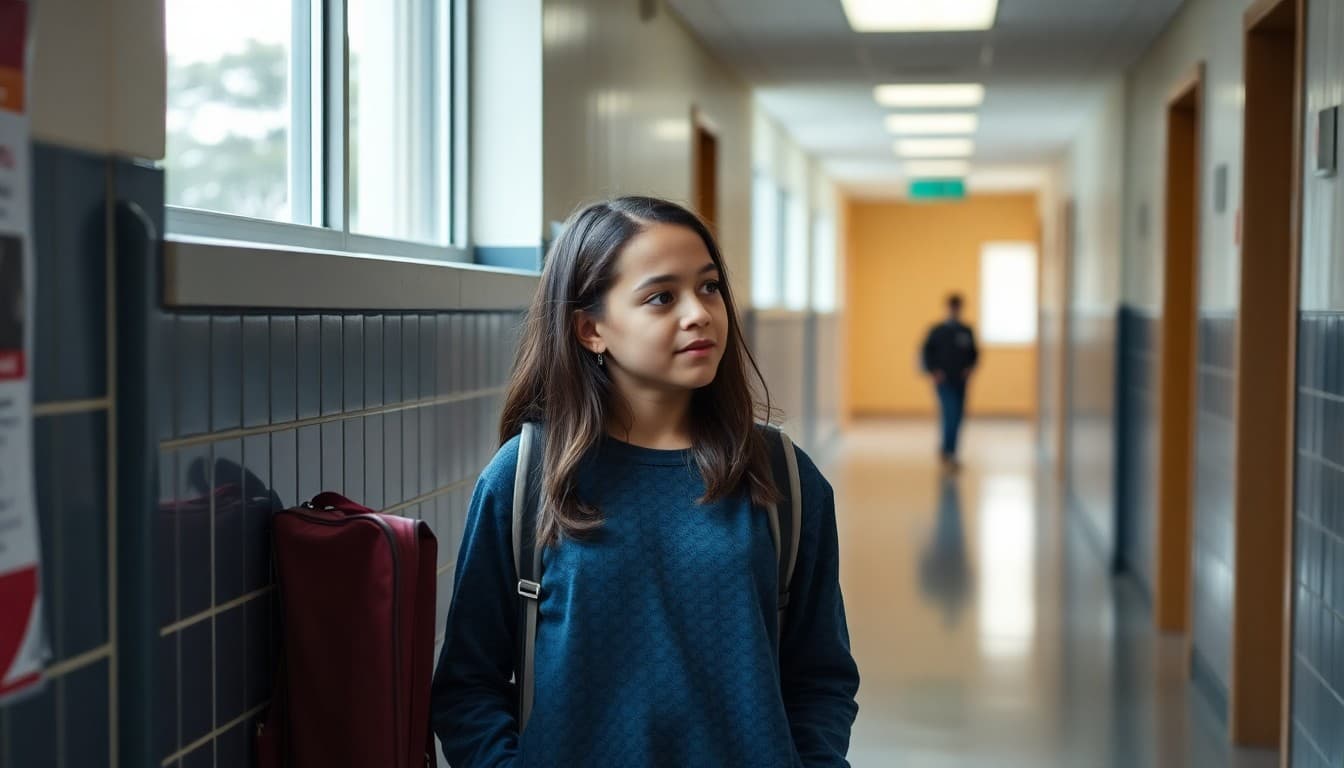
Describe specifically what the school does on the first day for students who arrive anxious or distressed. Teachers greet students individually at the classroom door. Any student who needs extra time to regulate can ask to visit the counselor's office. There is no penalty for needing a few minutes. This kind of specific, reassuring information reduces first-day anxiety for the families who need it most and demonstrates that the school's mental health communication is not just aspirational -- it is connected to real practices in the building.
Normalize Asking for Help
Close with a direct, warm statement that removes the stigma from seeking support. "Asking for help is one of the most important things a family or student can do, and it is always the right call to reach out early. We would much rather hear from you in September than in November." That tone -- proactive, accessible, non-judgmental -- is what a mental health newsletter from a school should communicate from beginning to end. Daystage makes it easy for school counselors to send this message directly to every family before the year begins, in a format that feels personal and warm rather than institutional.
Get one newsletter idea every week.
Free. For teachers. No spam.
Frequently asked questions
What should a back-to-school mental health newsletter cover?
Introduce the school counselor by name and explain their role. Share two or three observable signs that a student may need additional support. Describe what families should do if they have a concern -- who to call, what the process looks like, how quickly to expect a response. Include community mental health resources for families who need support outside of school hours. End with a reassurance that asking for help early is always the right call, not a sign of weakness.
How do you address mental health in a school newsletter without stigmatizing students?
Use language that frames mental health as part of overall health, not as a special category for struggling students. 'We take care of our students' whole health -- physical, emotional, and social -- from the first day of school.' Avoid clinical language and diagnostic framing in the newsletter. Focus on wellbeing, support, and connection rather than symptoms and disorders. The newsletter should make families feel the school is a safe place to bring concerns, not that there is a specific category of problematic student.
What mental health resources should the newsletter include for families?
The school counselor's name and direct contact. Crisis lines that are available 24 hours, including the 988 Suicide and Crisis Lifeline. Community mental health centers that serve families without insurance or with sliding scale fees. Any district-level mental health programs. Links to parent-facing resources like the National Alliance on Mental Illness family guides. A resource list that covers multiple levels of need serves families across a wide range of situations.
How early in the year should the mental health newsletter go out?
Before school starts or in the first week. Families are watching their children during the summer-to-school transition and may already notice changes in mood, sleep, or appetite. A newsletter that gives them context and a clear path for support before concerns escalate is far more useful than one that arrives in October after a difficult September.
How does Daystage help school counselors communicate with families?
Daystage lets school counselors create a warm, well-formatted mental health resources newsletter and send it to all families before the school year starts. The counselor can personalize it with their own name and contact information and include direct links to community resources. Families receive it in their inbox and can reply directly to the counselor if they have questions.

Adi Ackerman
Author
Adi Ackerman is a former classroom teacher and curriculum writer with 8 years in K-8 schools. She writes about school communication, parent engagement, and what actually works in real classrooms.
More for Back to School
Ready to send your first newsletter?
3 newsletters free. No credit card. First one ready in under 5 minutes.
Get started free