

Back to School Extracurricular Newsletter: Activities Available This Year
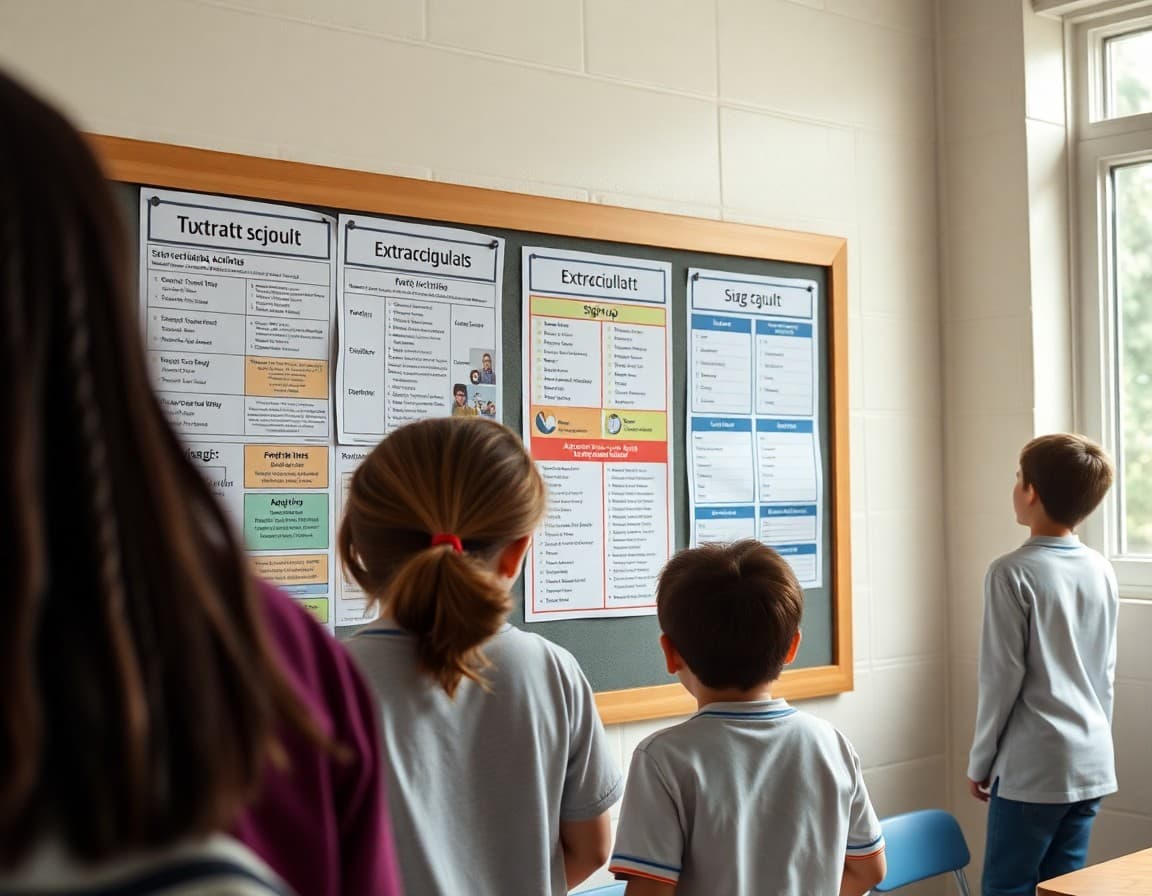
The back-to-school extracurricular newsletter is one of the most consequential communications schools send in September. Students who find an activity they love in the first year of school are more engaged academically, more connected to peers, and more likely to stay involved through the harder stretches of the year. The newsletter is the first door to those connections. A well-written one opens it wide. A confusing or incomplete one leaves families to find their way on their own.
Organize by Student Interest, Not Administrative Category
Most extracurricular newsletters list activities by administrative category: athletics, arts, academic clubs, service organizations. A more useful structure is by student interest type: students who want to compete, students who want to create, students who want to serve, students who want to explore. This framing helps students self-identify their interests and makes the newsletter more readable for families who are trying to help a child find the right fit rather than understand the school's organizational chart.
Every Activity Needs These Five Details
Each activity listing should include: the activity name and a one-sentence description, the grade levels eligible, the days and times it meets, whether there is a cost and how much, and how to sign up. Missing any of these details creates a follow-up question that could have been answered in the newsletter. Incomplete listings are the leading cause of families saying "I wanted to sign my kid up but I couldn't figure out how." Give families everything they need to say yes without making another phone call.
Flag Activities With Limited Spots
If any activity has limited enrollment or tryout requirements, note this prominently. "Spots are limited to 20 students -- first come, first served" or "auditions required: see schedule below." Families who miss enrollment deadlines for limited programs are understandably frustrated when they find out after the fact. Clear, prominent flagging of competitive enrollment processes prevents this frustration and gives all families an equal opportunity to participate.
Make the Cost Section Honest and Complete
List every cost associated with each activity: registration fees, uniform costs, equipment, travel fees for competitions. Also list any available fee waivers, reduced-cost options, or scholarship funds by name and how to access them. Families who want to participate but cannot see a path to affording the activity often simply do not sign up, without ever knowing a waiver was available. Transparency about costs and support options keeps the extracurricular program accessible to the full student body, not just families with flexible budgets.
Include an Activity for Every Student
Review your list before sending to confirm it includes something for every student, not just athletes and performers. A student who is not interested in sports or the arts but loves math, coding, chess, community service, journalism, or cooking should see themselves in your newsletter. Schools that offer a genuinely diverse menu of extracurricular options, and communicate them effectively, serve more of their students and build a richer school community than those with a narrow program that only reaches a subset of kids.
Send a Reminder Before Each Enrollment Deadline
For activities with enrollment deadlines, send a brief reminder newsletter two to three days before the deadline closes. "Deadline reminder: enrollment for Drama Club closes this Friday. Five spots remain." This kind of targeted reminder consistently increases enrollment by reaching families who received the original newsletter but got distracted before completing the signup. Daystage makes it easy to schedule these deadline reminders in advance so they go out automatically without requiring manual follow-up.
Tell Families What to Do If Nothing Fits
Close the newsletter with a note for families whose child did not find the right fit in the current offerings. Who to contact with activity suggestions. Whether there is a process for students to start a new club. How the school gathers feedback about what students want. Families who feel their child's interests are visible to the school -- even when there is not yet a perfect program for them -- stay more connected to the extracurricular conversation than families who feel the program is fixed and their child is outside it.
Get one newsletter idea every week.
Free. For teachers. No spam.
Frequently asked questions
What should an extracurricular newsletter include?
For each activity: name, brief description of what students do, grade levels eligible, days and times, any cost or materials needed, and how to sign up. Also note activities that have limited spots and when their enrollment deadlines are. Families who receive complete information can make an informed choice about which activities fit their child's interests and the family's schedule without needing to follow up with multiple people.
When should the school send the extracurricular newsletter?
The first or second week of school for most activities. Some activities with early tryouts -- sports, certain performing arts programs -- may need advance notice before the school year starts. For the general extracurricular guide, families need enough time to discuss options with their child and submit applications or fees before enrollment deadlines close.
How do you make extracurricular communication reach families who miss school newsletters?
Multilingual communication for the most popular or universally available programs. Flyers sent home in the student's backpack for families who do not read email. A brief announcement from the teacher or principal at back-to-school night. The families who miss newsletter communication are often the same families whose children would most benefit from extracurricular involvement -- the cost of a missed opportunity is significant for individual students.
Should the newsletter include free and paid activities separately?
Yes. Group free activities together and note clearly which activities have a cost. Families managing tight budgets should not have to calculate costs from information scattered throughout the newsletter. If any activities offer scholarships or fee waivers for families who need them, mention that clearly. A family that declines to sign up because they assume they cannot afford it, when a waiver was available, represents a missed connection the school could have prevented.
How does Daystage help schools communicate extracurricular activities?
Daystage makes it easy to create a well-organized extracurricular guide newsletter with all activities listed clearly, enrollment links included, and formatting that works well on a phone. You can also send targeted reminders to families who have not yet enrolled in any activity, or deadline reminders for activities with limited enrollment.

Adi Ackerman
Author
Adi Ackerman is a former classroom teacher and curriculum writer with 8 years in K-8 schools. She writes about school communication, parent engagement, and what actually works in real classrooms.
More for Back to School
Ready to send your first newsletter?
3 newsletters free. No credit card. First one ready in under 5 minutes.
Get started free