
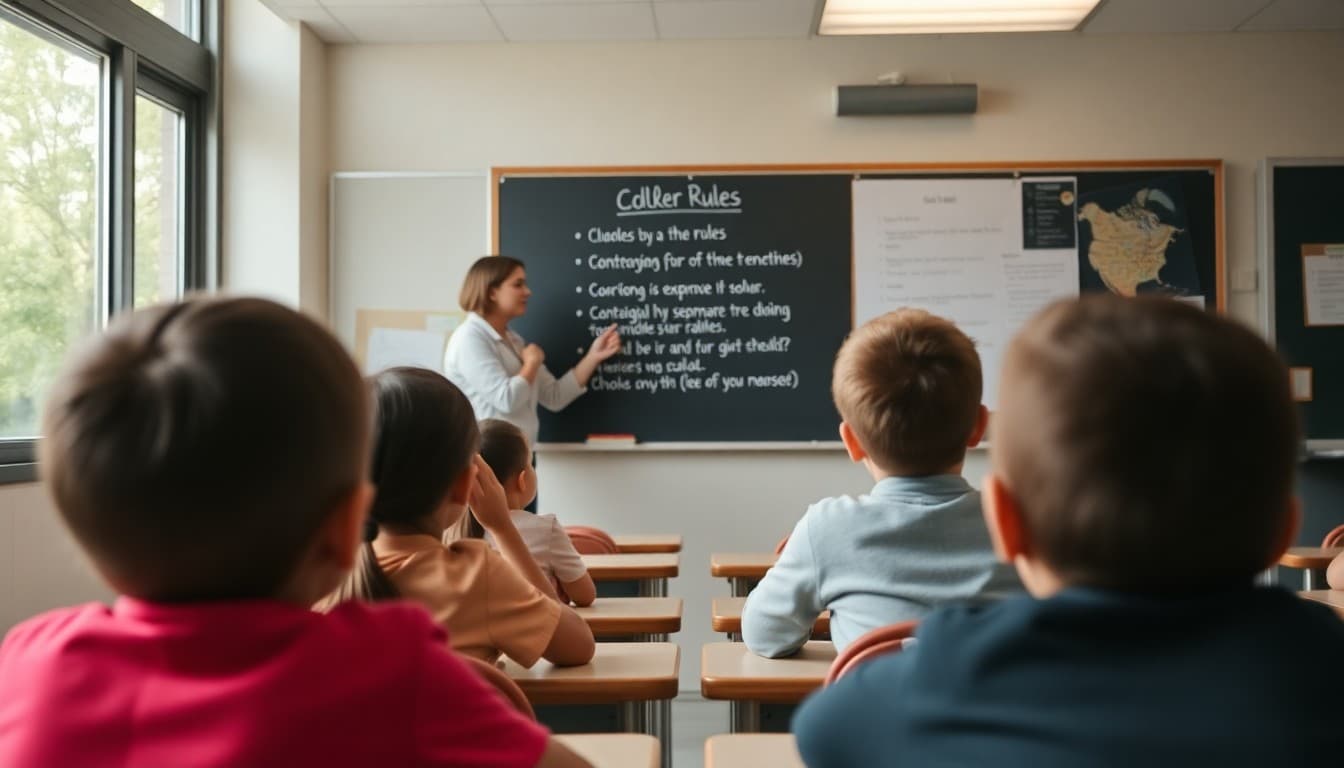
Back to School Discipline Newsletter: Setting Clear Rules at Year Start
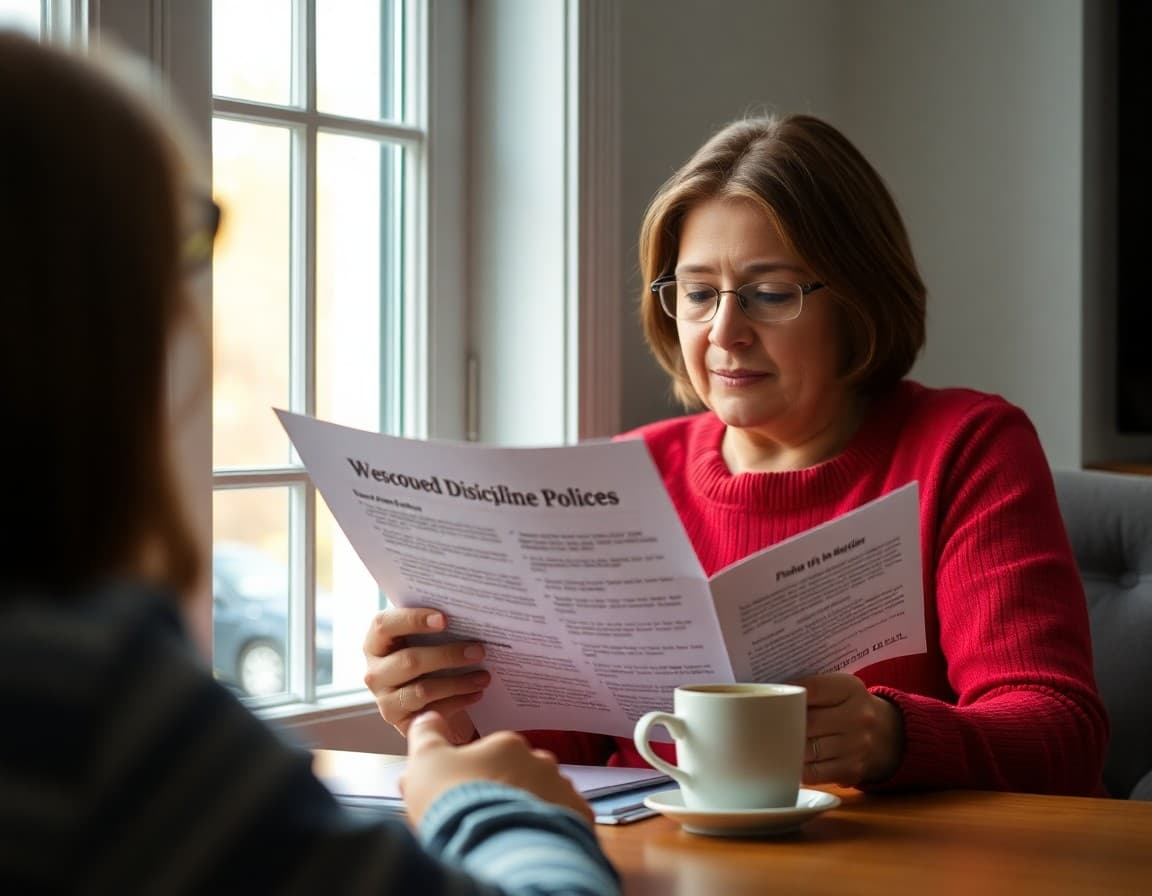
Discipline communications are among the most important back-to-school newsletters a teacher or administrator can send -- and among the easiest to get wrong. Too punitive and families feel like their child is a suspect before they have done anything. Too vague and families cannot reinforce expectations at home or understand the system when they are contacted about a concern. The right discipline newsletter is clear, confident, and treats families as partners in their child's growth.
Lead With the Culture You Are Building
Before you describe consequences and referrals, describe the classroom or school culture you are working to create. "Our goal this year is a classroom community where every student feels safe, heard, and capable of doing their best work. We get there through consistent expectations and genuine relationships." This framing establishes that discipline is in service of community, not compliance. Families who understand the intention behind your behavior management approach are more likely to support it at home.
State Expectations Positively and Specifically
Name the two or three core expectations in positive, observable terms. Not "no hitting" but "we keep our hands to ourselves and solve disagreements with words." Not "pay attention" but "we come prepared, participate actively, and treat our classmates with respect." Positive behavioral expectations are easier for students to internalize and easier for families to reinforce at home. Specific language removes the ambiguity that leads students to feel the rules were unclear or inconsistently applied.
Explain the Consequence Sequence
Families deserve to understand what happens when a student struggles to meet expectations. Walk through the sequence briefly: a first reminder and private redirect, a second reminder with a brief conversation, a parent contact, and escalation to the administration for persistent or serious concerns. Families who understand the sequence are not surprised when they receive a call, and they understand where their child is in the process. Families who are contacted without context often respond defensively because they feel blindsided.
How Families Will Be Notified
Tell families clearly when and how they will hear from the school about behavioral concerns. Same-day email for significant incidents. A weekly note home if a student has had repeated reminders. A phone call if a situation requires immediate attention. Families who know the notification system trust that they will be included in their child's school experience, not informed after the fact. Set this expectation in writing at the start of the year and follow through consistently.
What Home Support Looks Like
Include a brief section that gives families one or two specific things they can do to reinforce school expectations at home. Ask your child at dinner what went well at school and what was hard. Practice conflict resolution phrases at home -- "I feel [X] when [Y] happens. Can we talk about it?" Review the classroom expectations together at the start of the year. None of these are elaborate asks, but they establish that the family is part of the behavioral support system, not just a contact point when things go wrong.
Separate Classroom Rules From School-Wide Policies
Teachers should note in the newsletter which expectations are specific to their classroom and which are school-wide. Families with children in multiple classrooms or multiple schools appreciate understanding the different layers of the discipline system. Reference the student handbook for comprehensive school-wide policies, and keep the newsletter focused on what families most need to know for day-to-day school life in that specific classroom.
Invite Questions Before the First Incident
End your discipline newsletter by inviting families to reach out with questions before any situation arises. "If you have any questions about how our classroom handles behavioral expectations or what to do if you have a concern, please email me before the first week is out." This open-door invitation prevents misunderstandings from festering and establishes you as approachable on what can be a sensitive topic. Families who have had difficult disciplinary experiences at previous schools especially need to know the door is open before they need to knock on it.
Get one newsletter idea every week.
Free. For teachers. No spam.
Frequently asked questions
What should a discipline newsletter tell families at the start of the year?
Cover three areas: the classroom or school-wide behavior expectations in plain terms, what happens when expectations are not met -- the consequence sequence, starting with low-level responses and escalating clearly -- and how families will be notified if their child has a significant behavioral concern. Families who understand the system from the start are more likely to reinforce it at home and less likely to feel blindsided when the school reaches out about their child.
How do you write about discipline without sounding punitive?
Frame expectations around skills and community, not rules and punishment. 'We practice being respectful, responsible, and safe in our classroom' conveys the same behavioral expectations as a list of forbidden behaviors, but positions students as capable of the skills rather than assumed to be rule-breakers. Name what you want to see, not only what you will not tolerate.
Should the discipline newsletter cover serious offenses like bullying?
Yes, briefly. Note that the school has a clear process for addressing bullying, harassment, and other serious behavioral concerns and provide the direct contact for families who have a concern. You do not need a detailed policy breakdown in the back-to-school newsletter -- link to the student handbook for that. Families need to know that serious concerns have a clear path to the adults responsible for addressing them.
How do you align home and school expectations in the newsletter?
Ask families one simple thing: talk with your child about being respectful and responsible at school before the first day. Give them a conversation starter if it helps. 'Ask your child what it means to be a good classmate.' This keeps the ask small and achievable, signals that home involvement matters, and establishes the partnership tone that makes discipline conversations easier when they do come up.
Can teachers use Daystage to send discipline policy newsletters?
Yes. A classroom discipline and expectations newsletter is one of the standard back-to-school communications that teachers send through Daystage. You write the policies and expectations clearly, format them for easy reading on a phone, and send to the class family list. Families receive it before the first day and can reference it throughout the year.

Adi Ackerman
Author
Adi Ackerman is a former classroom teacher and curriculum writer with 8 years in K-8 schools. She writes about school communication, parent engagement, and what actually works in real classrooms.
More for Back to School
Ready to send your first newsletter?
3 newsletters free. No credit card. First one ready in under 5 minutes.
Get started free