
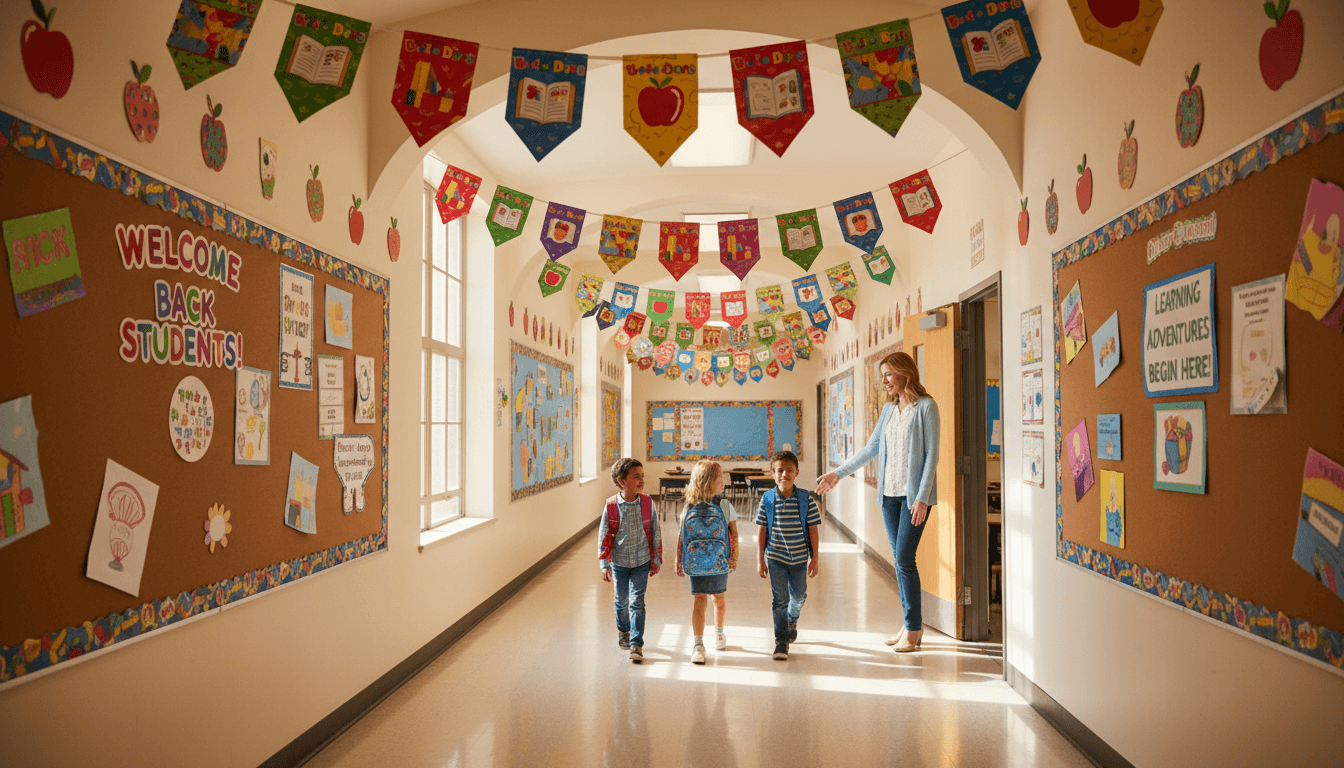
Back-to-School Newsletter for Teachers: What to Send and When
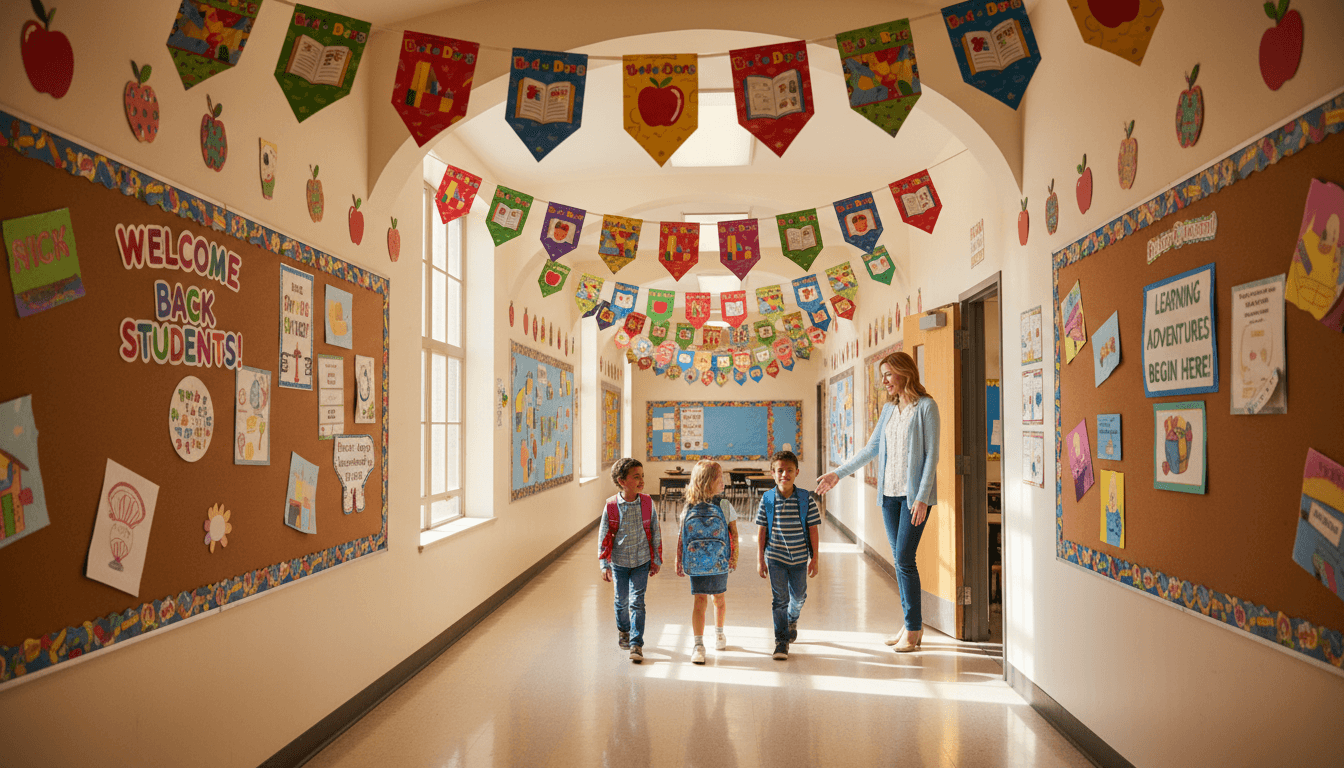
A back-to-school newsletter from a teacher should go out 3 to 5 days before the first day of school and include: a personal introduction, classroom expectations, supply list, homework policy, and the best way to reach you , teachers who send this newsletter before the first day start the year with significantly higher parent response rates than those who wait until after school begins. Getting it right is worth 30 minutes of your summer.
This guide covers what to include, when to send it, and how to structure it so families actually read it instead of skimming the subject line and filing it away.
Send two weeks before the first day
Two weeks gives families enough lead time to act on what you send. They can buy supplies, talk to their kids about what to expect, figure out the drop-off routine, and ask follow-up questions before the chaos of the first day hits.
Sending earlier than that, in July for a September start, risks the newsletter getting buried. Families are still in summer mode and will not retain details about classroom schedules. Two weeks out is when attention shifts back to school logistics.
Some teachers send a second, shorter newsletter the night before the first day as a reminder. That is a good habit. It catches families who missed the first email and gives everyone a quick orientation refresh.
What to cover in the pre-school newsletter
Keep it to five things. Families do not need everything at once. They need the information that helps their child show up ready.
First, introduce yourself briefly. Two or three sentences about your background and what you are looking forward to this year. Parents want to feel like they know who their child is spending six hours a day with.
Second, share the daily schedule. Start time, end time, specials (art, gym, music), and lunch period. Even a rough schedule helps families know what their child's day looks like.
Third, include the supply list. If your school sends a separate supply list, reference it and tell parents where to find it. If you have specific classroom needs beyond the standard list, list them here.
Fourth, explain drop-off and pickup. Where does your class line up? What time can students enter the building? Who is authorized to pick up? These are the questions parents ask every September and they are easy to answer once upfront.
Fifth, tell parents how you communicate. Weekly newsletter on Fridays, email for urgent matters, phone only for emergencies. Setting this expectation early prevents parents from emailing at 10 PM expecting a response by morning.
Structure so parents can scan it
Use headers for each of the five sections above. A parent who already got the supply list from the school office does not need to read that section again. Headers let them skip to what they need.
Keep paragraphs to three sentences or fewer. Bullet points for lists of items. Bold text only for the most time-sensitive information, like a specific date or a required form. Everything else in plain text.
Read the newsletter out loud before you send it. If a sentence sounds like a school announcement over a PA system, rewrite it to sound like a person talking to another person.
Tone: warm, specific, and brief
The best back-to-school newsletters feel like they came from a person, not a school department. Include one specific thing you are looking forward to doing with students this year. Not "I am excited for a great year" but "We are starting the year with a project on local history, and students will interview a family member as part of it."
That one specific detail does more to build parent confidence than three paragraphs about your teaching philosophy. It shows you have a real plan.
What to leave out
Do not include everything you want parents to know about your classroom in the first newsletter. Grading policies, field trip procedures, homework expectations, and volunteer opportunities can all come later. Loading the first newsletter with everything overwhelms families and buries the essential information.
Save the deeper curriculum and policy details for the first week of school or a separate welcome email in September. The pre-school newsletter should be light enough that a parent reads it in three minutes and feels confident, not anxious.
Follow up with a first-week recap
The pre-school newsletter is not a one-time event. It starts a communication habit. Sending a short recap after the first week confirms that the newsletter is a regular thing, and it gives families who missed the first email a chance to catch up.
First-week recap content: how the week went, anything that changed from the original plan, reminders for the week ahead, and one moment from the classroom that parents can talk to their child about at dinner. Five minutes to write, and it builds more trust than any formal welcome letter.
Get one newsletter idea every week.
Free. For teachers. No spam.
Frequently asked questions
When should teachers send the first back-to-school newsletter?
Two weeks before the first day is the right window. Families need enough time to act on what you send, buy supplies, arrange drop-off logistics, and prepare kids for the transition. Sending earlier than that means the details get forgotten. Sending later leaves families scrambling.
What should a back-to-school newsletter from a teacher include?
Cover five things: who you are and how to reach you, the classroom schedule, the supply list, drop-off and pickup procedures, and the first week plan. Families do not need your entire curriculum philosophy in August. They need the practical information that helps their child show up ready.
How long should a back-to-school newsletter be?
Short enough to read in three minutes. Use headers and bullet points so parents can scan. A 600-word newsletter with clear sections beats a 1,200-word newsletter with everything in paragraph form. Parents will read the short one all the way through.
What do teachers most often forget to include in back-to-school newsletters?
The communication plan. Parents want to know how you prefer to be contacted, how quickly you respond, and what the newsletter schedule looks like for the year. Spelling that out upfront prevents a lot of one-off email questions in September.
Is there a tool that makes it easier to send back-to-school newsletters?
Daystage is built for exactly this. You can set up your newsletter template once, add your content, and send to all families in one step. It also handles the scheduling so you can draft in July and send automatically in August.

Adi Ackerman
Author
Adi Ackerman is a former classroom teacher and curriculum writer with 8 years in K-8 schools. She writes about school communication, parent engagement, and what actually works in real classrooms.
More for Back to School
Ready to send your first newsletter?
3 newsletters free. No credit card. First one ready in under 5 minutes.
Get started free