
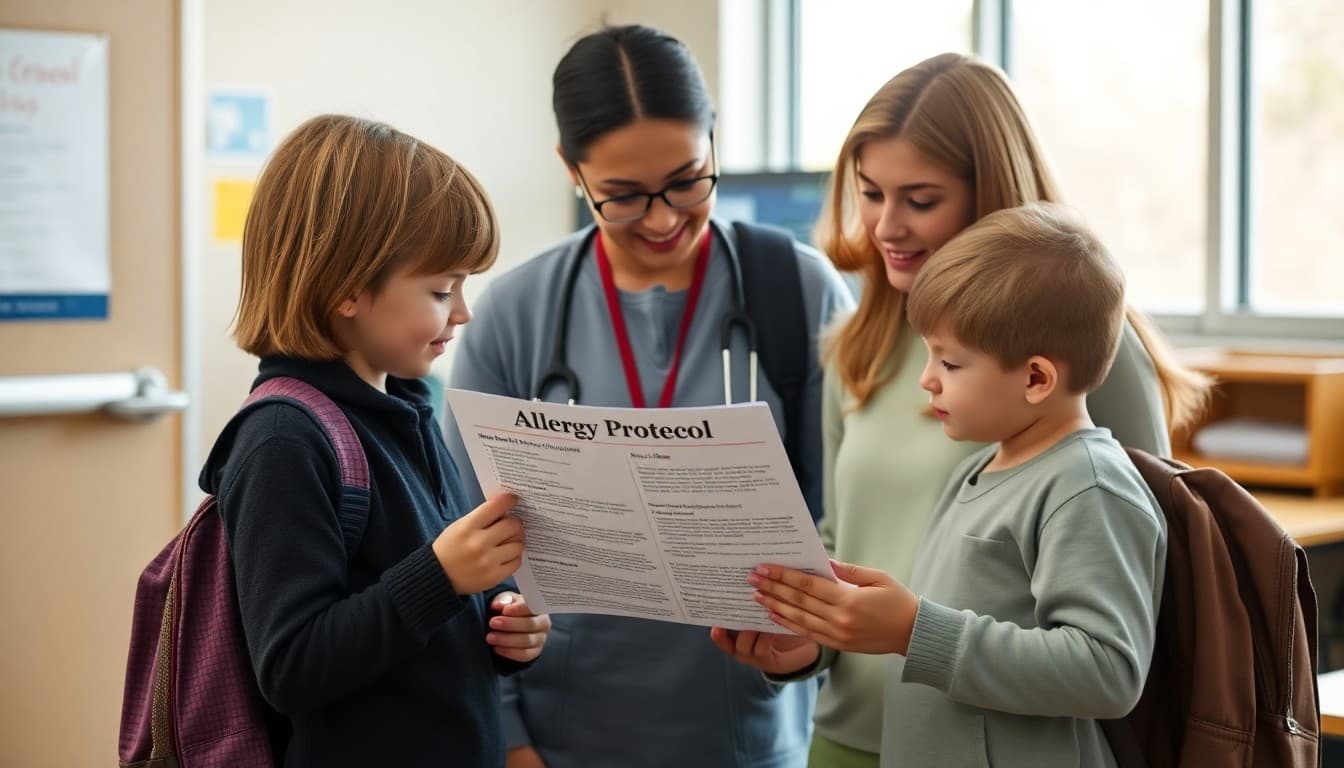
Back to School Allergy Notification Newsletter for Families
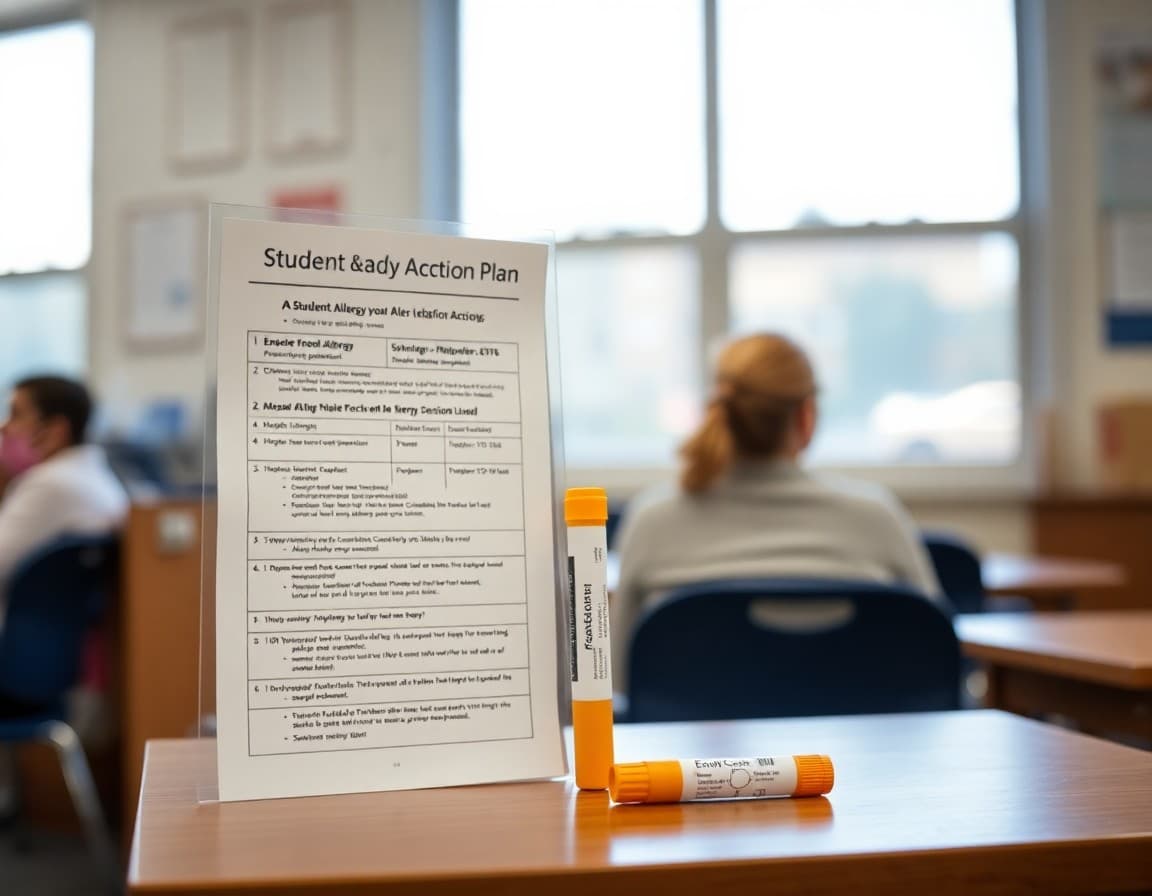
Food allergy communication at the start of the school year protects a student's life and sets the behavioral expectations for an entire classroom community. A clear, specific allergy newsletter sent before school starts means the nurse is not scrambling to collect emergency forms on day one, and families who pack lunches know exactly what to include and what to leave at home.
State the Allergen Policy for This Classroom or School
Be specific: this classroom is peanut-free and tree-nut-free beginning August 28. If the entire school has a policy, state that. If only certain classrooms or grades are restricted, name them. Families with multiple children in the same school need to know which rooms have restrictions and which do not. Vague language like "we take allergies seriously" without a specific policy creates confusion rather than compliance.
Explain What Allergen-Restricted Means in Practice
Families often interpret "nut-free classroom" more narrowly than intended. Clarify: no peanut butter sandwiches, no Nutella, no trail mix with cashews, no granola bars that list "may contain tree nuts" in the ingredients. If cross-contamination from shared prep surfaces is a concern, state that too. A family packing a lunch who genuinely wants to comply needs this level of detail, not just the category name.
Describe the Emergency Response Protocol
Explain what happens when a student shows signs of an allergic reaction: a staff member administers epinephrine from the student's EpiPen, calls 911, contacts the family, and stays with the student until emergency services arrive. Note that every classroom teacher and the assigned nurse are trained in epinephrine administration. Families of students with allergies need to know their child's safety depends on a specific, practiced procedure and not on improvisation.
List the Required Forms and Submission Deadline
State every document the school requires: an updated allergy action plan signed by the physician and dated within the current school year, signed authorization for the school to administer prescribed medication, and a current prescription EpiPen or epinephrine auto-injector kept at school. Give the submission deadline: before the first day of school for students with known severe allergies. Note what happens if forms are not submitted in time.
Template Excerpt: Classroom Allergy Notice
Here is a notice you can adapt:
"There is a student in our class with a life-threatening peanut and tree-nut allergy. Effective the first day of school, please do not send any items containing peanuts, peanut butter, tree nuts, or products labeled 'may contain nuts' in your student's lunch or snack. Safe alternatives include fruits, vegetables, crackers, cheese, and nut-free granola bars. Thank you for helping keep every student safe. Questions? Contact the nurse at nurse@school.edu."
Address Birthday Treats and Classroom Celebrations
Give families clear options for birthday celebrations that comply with the allergen policy: store-bought items that are clearly labeled nut-free, fruit platters, or non-food treats like pencils or stickers. If your school has a pre-approved snack list, include the link. Note whether all birthday food must be reviewed by the nurse before the celebration day. Families who plan ahead appreciate knowing the rules far enough in advance to shop accordingly.
Explain What to Do if a Child Has a New Allergy Diagnosis
Direct families with a new allergy diagnosis to contact the school nurse immediately, even mid-year. Give the nurse's phone number and email. New diagnoses can happen in October or February, and families need to know the school can update protocols at any point in the year. A brief note that the nurse is the first contact for any allergy-related updates gives families a clear path without requiring them to go through the principal or the main office.
Close With a Statement of Shared Responsibility
End the newsletter with a brief note that allergy safety works best as a shared effort between school staff, families, and students. Thank families in advance for their cooperation. Acknowledge that the restriction may require adjustments to familiar snack habits and that you appreciate the community's willingness to make those adjustments for a classmate's safety. Tone at the close matters: gratitude and directness work better than implied threat.
Get one newsletter idea every week.
Free. For teachers. No spam.
Frequently asked questions
What must a back to school allergy newsletter include?
Include whether the classroom or school is allergen-restricted, what the specific restriction covers (tree nuts, peanuts, or all food allergens), the procedure for students who have a life-threatening allergy, what documentation the school requires (physician's allergy action plan, current EpiPen), the policy for birthday treats and class snacks, and who families contact if their child has a new diagnosis or change in allergy status.
How should a classroom allergy newsletter handle the tension between one student's allergy and classroom celebrations?
Be direct about the trade-off: a nut-free classroom means no nut-containing items in any snacks or shared food, regardless of whether it is a birthday celebration or a classroom party. List specific alternatives families can bring instead. Some parents find the restriction frustrating; acknowledging that briefly while explaining the medical necessity tends to reduce pushback more effectively than issuing a strict rule without context.
What forms does the school require for students with food allergies?
Most schools require an updated allergy action plan signed by the student's physician and dated within the current school year, authorization for the school to administer epinephrine, and a current EpiPen or prescribed medication kept in the nurse's office. These forms typically expire annually and must be resubmitted each school year. State the submission deadline clearly so families do not wait until orientation week.
How do schools communicate about a new student with a severe allergy without violating privacy?
Send a classroom-level allergy notification that states there is a student in the class with a life-threatening allergy to a specific allergen without naming the student. Request that families not send items containing that allergen in lunches or snacks. This approach protects the student's identity while giving the class community enough information to cooperate. It is standard practice and most families respond well when the reason is clearly explained.
Can Daystage help schools send allergy notifications to specific classrooms?
Yes. Daystage lets you send a newsletter to a specific class group rather than the whole school. A teacher with a nut-free classroom can send the allergy policy newsletter to only the families in that room, which is more appropriate than a school-wide blast when the restriction applies only to one space.

Adi Ackerman
Author
Adi Ackerman is a former classroom teacher and curriculum writer with 8 years in K-8 schools. She writes about school communication, parent engagement, and what actually works in real classrooms.
More for Back to School
Ready to send your first newsletter?
3 newsletters free. No credit card. First one ready in under 5 minutes.
Get started free