

School Sports Camp Newsletter: Summer Training Opportunity
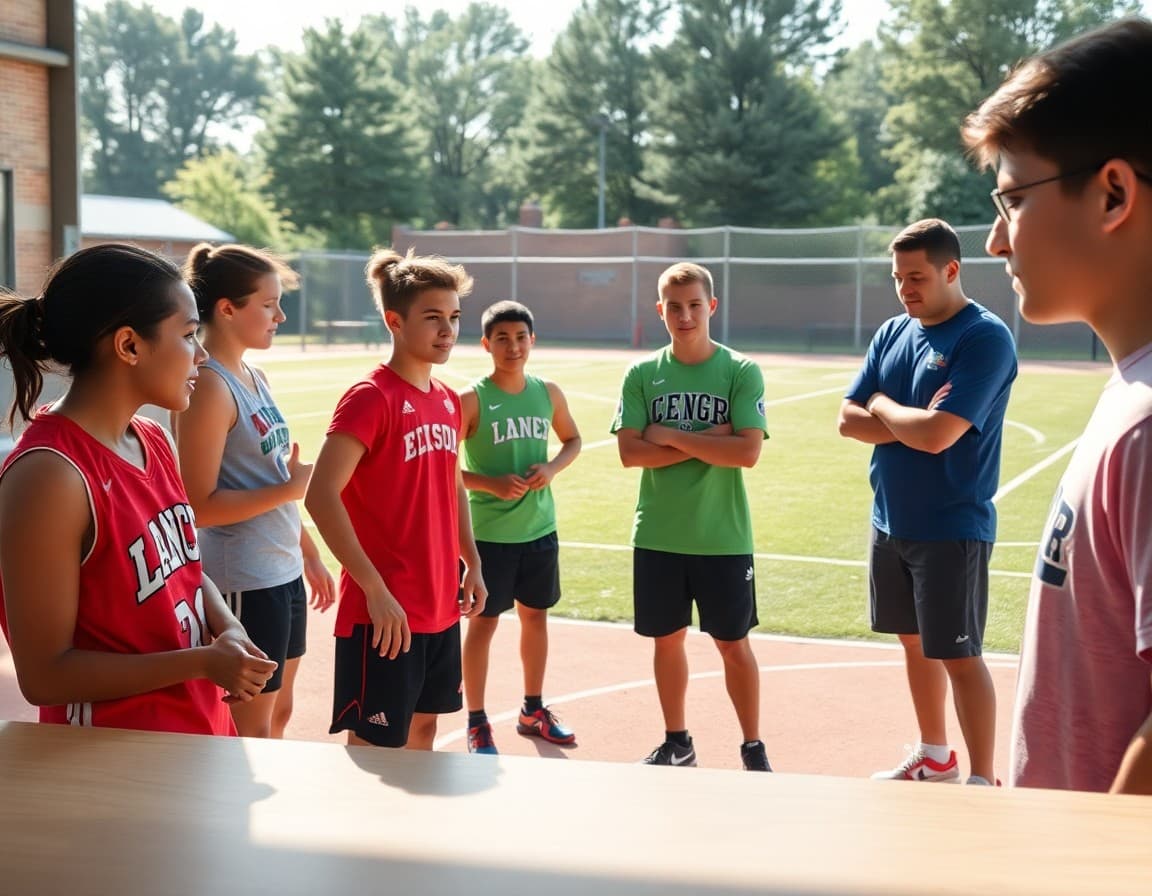
Summer sports camps are one of the most under-communicated opportunities in school athletics. Many families who would enthusiastically sign their child up do not because they never received a clear, timely invitation with the information needed to act on it. A good sports camp newsletter fixes that.
Getting the Newsletter Out at the Right Time
Sports camp registration should open at least six to eight weeks before the camp begins. Your invitation newsletter should go out when registration opens, with a second reminder newsletter two weeks before the registration deadline. Families whose children have conflicts with the camp dates need early notice to consider whether adjustments are possible. Families who are financially planning their summer need to know about camp costs before June, not three weeks into summer vacation.
For fall sports camps that happen in July or August, the ideal first newsletter sends in May. That gives families time to plan summer schedules, register early, and ensure their athlete arrives on the first day prepared and excited rather than scrambling to catch up.
What the Camp Covers and Why It Matters
The most effective sports camp newsletters connect the camp curriculum to specific athlete outcomes. Do not just list activities -- explain why they matter. "Our basketball camp focuses on the three skills that determine tryout success: ball handling, off-ball movement, and defensive footwork. Athletes who attend arrive at fall tryouts with these fundamentals already practiced under coaching. Returning varsity players use camp to teach these skills to incoming players, which accelerates team development before the season even starts."
Specific outcomes and specific skills are more motivating than general statements about player development.
A Template Camp Invitation Newsletter
Here is a format that works for a sports camp invitation newsletter:
"[Sport] Summer Camp at [School] -- Registration Now Open. Dates: [dates and times]. Location: [facility, address]. Cost: $[amount] for the full camp. Financial assistance available -- contact [contact] confidentially. Who should attend: [grade levels], current and incoming [team name] athletes and students interested in trying out in the fall. What we cover: [specific skills or training areas]. What to bring: athletic shoes, [sport-specific equipment], water, lunch (or note if provided). Register by [deadline] at [link]. Questions: contact [coach name] at [contact]."
Mandatory vs. Optional: Be Honest
State athletic association rules in most states prohibit mandatory summer practices, camps, or conditioning programs for school-sponsored sports. This means that legally, summer camp must be optional. However, many coaches communicate camp participation in ways that imply it is necessary for fall consideration, which puts families in an unfair position.
Your newsletter should be clear about the camp's status: "Summer camp is entirely voluntary. Attendance will not affect tryout decisions or program placement in the fall. That said, athletes who attend arrive significantly better prepared for fall tryouts than those who begin training in late August." This statement is honest and still makes a compelling case for participation without misrepresenting the policy.
Safety and Supervision Communication
Families want to know their child will be safe and supervised during summer camp. Include a brief safety section: "All camp activities are supervised by [coaches and certified staff]. Our athletic trainer will be on site each day. The athlete-to-staff ratio is [X]:1. A medical release form is required for all camp participants -- included in the registration form. For any medical emergency, staff are trained in first aid and CPR and [name] is the designated emergency contact at [phone]."
Photos and Testimonials From Previous Camps
A newsletter that includes photos from previous summer camps -- athletes working hard, coaches teaching on the field, teammates building relationships in the summer heat -- converts readers who are on the fence. Testimonials from parents and athletes who attended in previous years are equally persuasive. A quote from a current varsity athlete: "Going to summer camp last year is the reason I made varsity as a sophomore. I came in ready" is worth more than three paragraphs of coaching staff describing the camp's benefits.
Get one newsletter idea every week.
Free. For teachers. No spam.
Frequently asked questions
What should a sports camp invitation newsletter include?
A sports camp newsletter should cover: dates, times, and location; cost and financial assistance options; which sports are included and what training will be covered; the age or grade level eligibility; what participants should bring each day (water, athletic shoes, sport-specific equipment, lunch or whether meals are provided); the registration deadline and link; whether the camp is required for fall team participation or voluntary; safety and supervision information; and how registration is confirmed and what families receive after registering.
How do you communicate the value of summer sports camp to skeptical families?
Families often see summer camps as optional extras or expenses they can skip. Your newsletter can address this by connecting camp participation to specific outcomes: athletes who attend summer camp arrive at fall tryouts with conditioning already established, specific skills already practiced, and relationships with coaching staff already developed. A sentence like 'Athletes who attend summer camp typically arrive at fall tryouts with a 4-week conditioning advantage over athletes who begin training in August' is more compelling than 'We encourage all athletes to attend.'
How should mandatory vs. optional summer training be communicated?
The mandatory vs. optional status of summer training is a significant legal and policy question. NCAA and NFHS rules restrict mandatory summer training in many circumstances. If camp is truly optional, say so clearly and explain that non-attendance will not affect tryout consideration. If camp is strongly encouraged for competitive tryout placement, be honest about that. Families who receive misleading information about whether an activity is mandatory feel manipulated when the reality becomes clear, which damages trust in the program.
How do you make sports camp accessible for families with financial constraints?
Explicitly offering financial assistance in your camp newsletter ensures that cost does not become a hidden barrier. Include a brief statement: 'Financial assistance is available for families who need it -- contact [name] at [contact] confidentially to discuss your situation. No athlete should miss camp due to financial barriers.' Schools that include this statement openly, rather than making families feel they must ask for something unusual, see higher uptake of assistance and more diverse camp attendance.
How can Daystage help athletic programs fill sports camp registrations?
Daystage lets coaches and athletic directors build a professional sports camp invitation newsletter with photos from previous camps, registration links, cost information, and a compelling description of what participants will gain all in one send. You can send it to the relevant sport family lists and include a follow-up reminder newsletter one week before registration closes. Camps that use Daystage for promotion consistently fill faster because the newsletter provides a clear call to action with a direct link to register.

Adi Ackerman
Author
Adi Ackerman is a former classroom teacher and curriculum writer with 8 years in K-8 schools. She writes about school communication, parent engagement, and what actually works in real classrooms.
More for Athletics
Ready to send your first newsletter?
3 newsletters free. No credit card. First one ready in under 5 minutes.
Get started free