
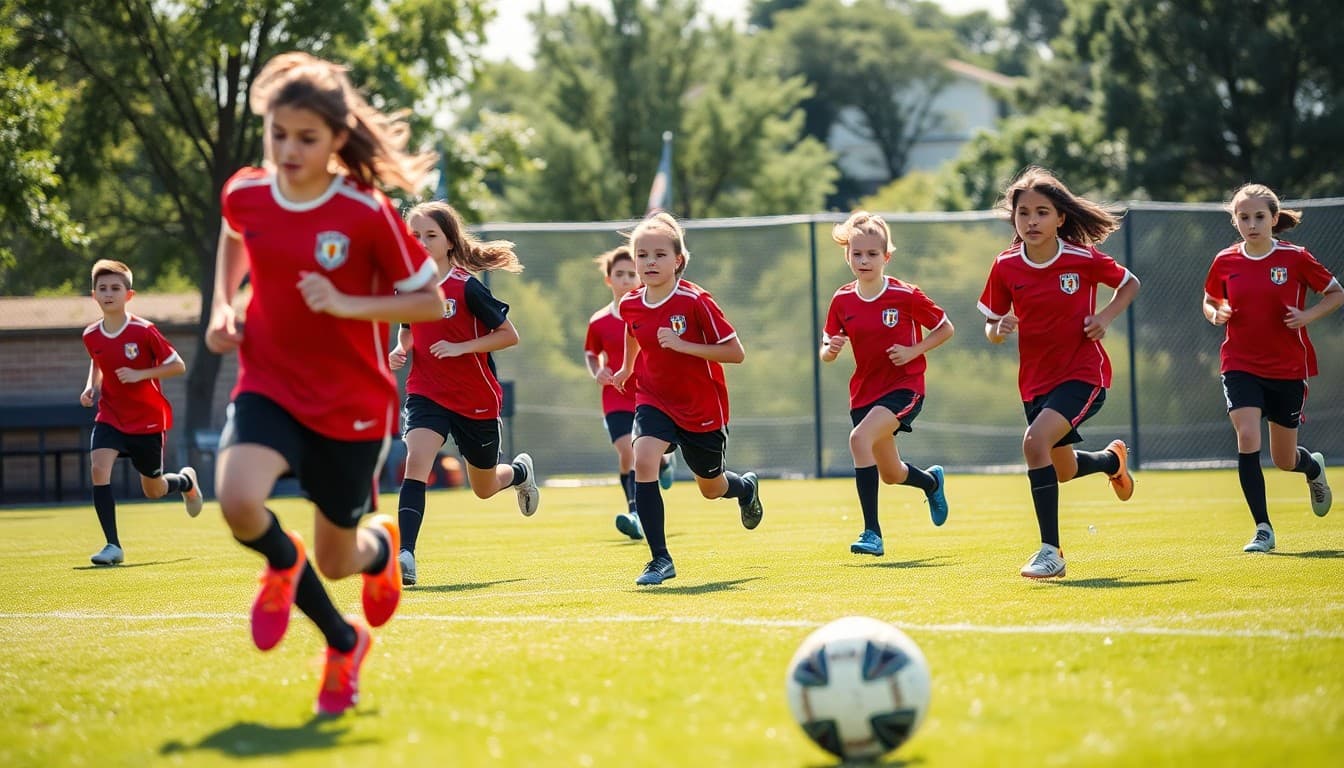
Soccer August Newsletter: Season Updates for Families
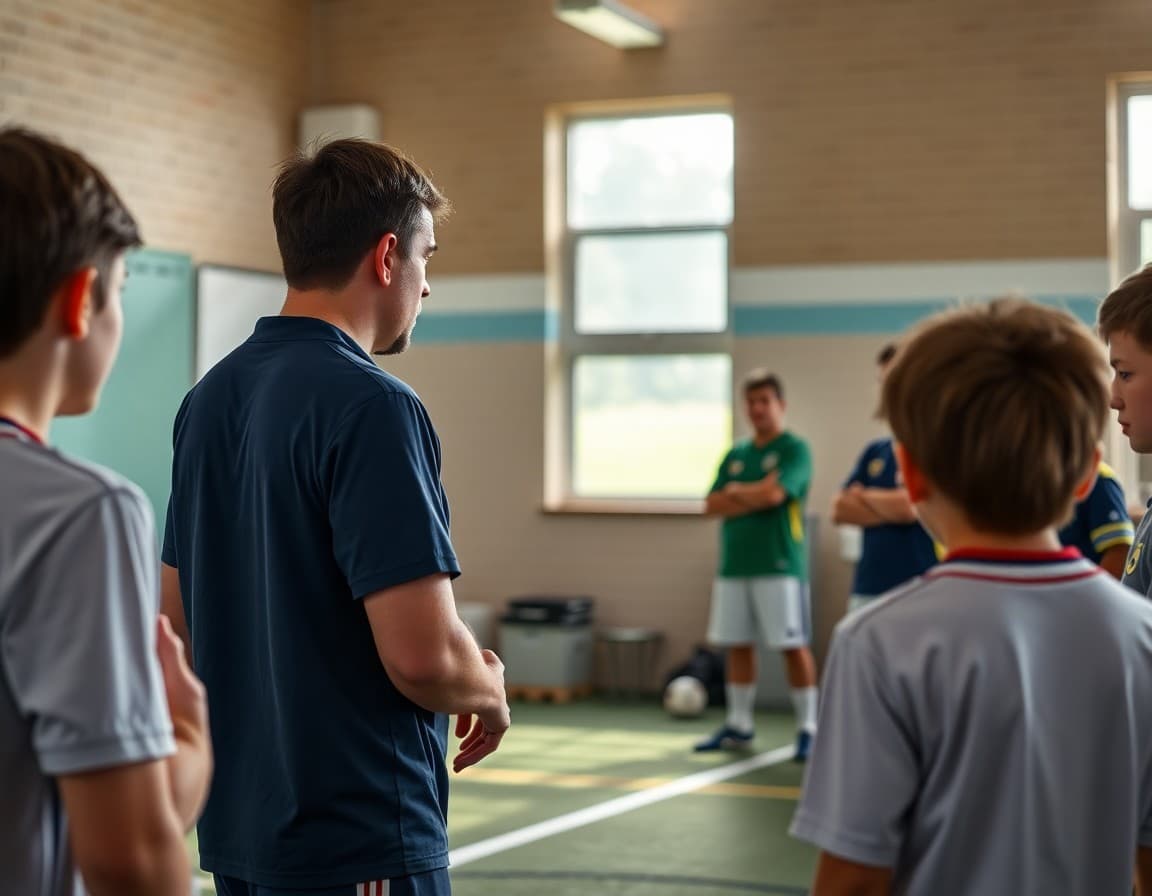
Soccer preseason in August is one of the most physically demanding stretches in the school sports calendar. Athletes are training in heat, learning new systems, and competing for roster spots. Families are managing back-to-school logistics at the same time. A clear August newsletter takes the logistical burden off of coaches and gives families the information they need to support their athletes.
Preseason Practice Schedule
Give the full preseason calendar. Include start and end dates, daily session times, location on school grounds, and any days where the schedule changes due to facility availability or school events. If your program runs two sessions per day at any point, tell families explicitly. Parents with other school-age children need to plan transportation around early morning and late afternoon sessions.
Tryout Format and Timeline
For programs that hold formal tryouts, describe the process in detail. How many days do tryouts run? What are coaches evaluating: technical skills, fitness, tactical awareness, or a combination? How many players will be selected at each level? When and how will results be communicated? Families of incoming athletes especially need this information to prepare mentally and logistically for tryout week.
Physical and Eligibility Requirements
State the sports physical deadline clearly. No physical, no practice. List every document required before the first session: the physical form, emergency contact card, concussion acknowledgment, and any additional forms your district requires. If athletes are transferring from another school or returning from injury, note any additional clearance steps they may need to complete before practicing.
Heat Safety and Hydration
August soccer practice carries real heat risk. Describe your program's heat policy: the heat index thresholds that trigger modifications, what modified practice looks like, and how families will be notified of changes. Include specific hydration expectations. Most athletic trainers recommend athletes arrive to practice already hydrated rather than trying to catch up during sessions. If your school has an athletic trainer on site during preseason, introduce them and provide their contact information.
Uniform and Equipment Details
Note what the program provides versus what athletes need to purchase or supply on their own. Cleats, shin guards, practice gear, and game uniforms should each be addressed. If the school provides jerseys and shorts but athletes need their own base layer and training gear, say so. If there are uniform fittings scheduled, give the date and location.
Opening Match Schedule
Include the first three to four matches on the schedule with dates, times, home or away, and opponent. Families start planning around game days immediately. Highlight any home openers or key rivalry matchups. If there are any scrimmage games before the official season begins, include those as well so families know what to expect in terms of competition before the first league match.
Sample August Newsletter Section
Here is a template you can customize:
"Varsity and JV soccer preseason begins August 4 at 8:00 AM on the main practice field. All athletes must have a completed physical on file before arriving. Tryout results will be posted by August 8. Our first home match is August 22 at 5:30 PM. Please bring water and a snack for every preseason session. Our athletic trainer, Ms. Rivera, will be on site daily from 7:45 AM."
Setting the Right Tone for the Season
The August newsletter sets the tone for how your soccer program communicates all season. Families who receive a detailed, well-organized preseason newsletter arrive at the first practice with confidence. They know the schedule, have their paperwork ready, and trust that the program is well-run. Daystage makes it easy to create that impression with a professional-looking newsletter that takes less than an hour to build and send.
Get one newsletter idea every week.
Free. For teachers. No spam.
Frequently asked questions
What should an August soccer newsletter include?
Cover preseason practice dates and times, physical and eligibility requirements, heat safety protocols, uniform and equipment details, tryout information for cut programs, and the opening match schedule. Families need action items and dates, not just general information.
When should a soccer program send its August newsletter?
At least two weeks before the first preseason practice. For most programs this means late July or the first few days of August. Families who are finishing summer travel need enough time to adjust schedules and complete any outstanding paperwork.
How do soccer coaches communicate tryout expectations in August?
State who is eligible to try out, how many days tryouts run, what each session evaluates, and when final roster decisions will be communicated. For programs with boys and girls teams, separate the information clearly so each audience knows what applies to them.
What heat safety information belongs in an August soccer newsletter?
Include your district's heat index protocol, how modifications will be communicated to families, the importance of hydration before practice, and what athletes should do if they feel unwell during a session. Soccer involves continuous outdoor running and heat illness is a real risk in August.
How does Daystage help soccer programs communicate with families at the start of the season?
Daystage lets soccer coaches build a preseason newsletter with schedules, contacts, and key dates and send it to all registered soccer families at once. You can also add RSVP blocks for parent meetings and schedule blocks that format match dates clearly for mobile readers.

Adi Ackerman
Author
Adi Ackerman is a former classroom teacher and curriculum writer with 8 years in K-8 schools. She writes about school communication, parent engagement, and what actually works in real classrooms.
More for Athletics
Ready to send your first newsletter?
3 newsletters free. No credit card. First one ready in under 5 minutes.
Get started free