

Middle School Intramurals Newsletter: How Programs Communicate Inclusive Athletics to Families
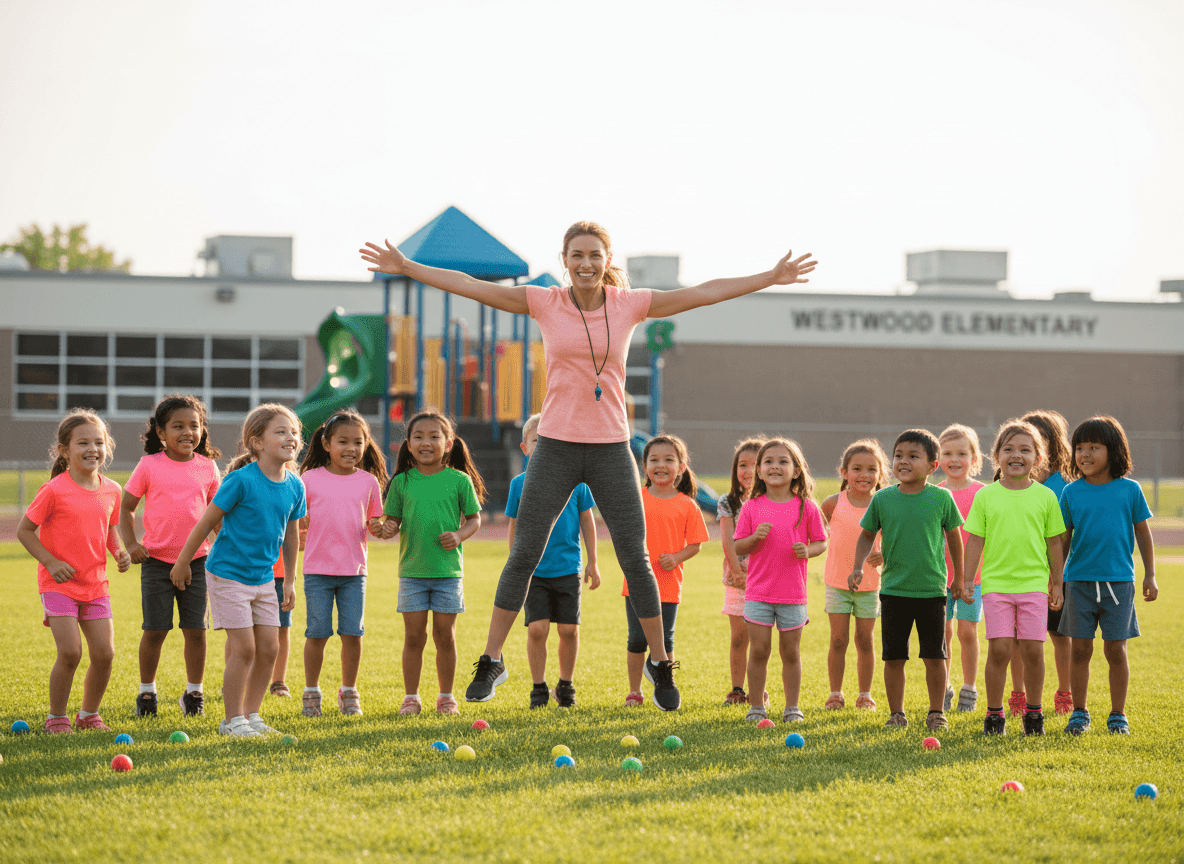
Intramural programs are the most inclusive sports offering most middle schools have. They serve the large majority of students who are not on competitive teams, give competitive-team athletes an additional athletic outlet, and build the kind of broad physical activity culture that extends beyond formal competition. Programs that communicate about intramurals as clearly as they communicate about varsity sports see the participation numbers that justify the program's existence.
Announcing intramural programs clearly
The most common reason intramural participation is lower than it should be is that students and families do not know the program exists or do not understand how to join. A clear launch newsletter that explains what sports or activities are available, when and where they happen, and exactly how students sign up is the foundation.
Send this newsletter to all middle school families, not just families of students who are already involved in athletics. The intramural program is for everyone, and its communication should reflect that.
Framing the program's purpose
The newsletter should be clear about what intramurals are and are not. They are not a tryout, not a stepping stone to a competitive team, and not a place where winning matters more than participation. They are a space where any student can show up, play a sport, and be active in a low-pressure environment.
Students who might never try out for a competitive team often participate in intramurals once they understand that the barriers to entry are minimal. The newsletter's framing is what makes that door feel open.
Team formation and scheduling communication
Middle school students want to know whether they will be playing with their friends. Explain the team formation process clearly: whether teams are formed randomly, whether friend-group requests are accommodated, and how the schedule rotates so students at different grade levels or in different advisory groups have equal access.
The schedule details belong in the newsletter with enough precision for families to plan transportation. Include the days and times, which gym or facility is used, and whether there is supervision throughout the activity or just at the start and end.
Participation requirements and behavior expectations
If your intramural program requires students to be in good academic or behavioral standing to participate, communicate this clearly in the launch newsletter so families can anticipate any issues before they arise. Also cover what happens if a student whose standing changes during the season needs to take a temporary leave from the program.
Mid-season updates and recognition
A mid-season newsletter that shares participation numbers, which sports are most popular, and any standout moments from recent play builds community around the program. Recognition in intramurals should celebrate effort, sportsmanship, and consistent participation rather than competitive performance, which aligns with the program's stated purpose.
Connecting intramurals to broader school health goals
Middle school intramurals are a physical activity and social-emotional program as much as they are an athletic one. A brief note in the newsletter on the benefits of regular physical activity for academic focus and mental health connects the program to priorities that families already care about.
Get one newsletter idea every week.
Free. For teachers. No spam.
Frequently asked questions
What should a middle school intramurals newsletter include?
How students sign up, which sports or activities are offered each season, the schedule including days, times, and location, any participation requirements such as academic standing or behavior record, equipment students need to bring, and the program's philosophy emphasizing participation and fun over competition. Include information about who oversees the program and who families should contact with questions.
How do intramural programs communicate the difference between intramurals and competitive teams?
Be direct about this in the newsletter. Intramurals are open to all students regardless of athletic ability, do not require tryouts, and focus on participation rather than competition. Students who are not on competitive teams, or who want additional athletic activity beyond their team, are the primary audience. This framing helps families understand the program's purpose and encourages participation from students who might not otherwise try out for a competitive team.
How do you communicate about intramural team formation and scheduling?
Explain the team formation process in the sign-up communication: whether students are placed on teams randomly, whether friend-group requests are accommodated, and how scheduling works across grade levels or advisory periods. Students who understand how they will be grouped are more likely to commit to the program.
How often should intramural newsletters go out?
A launch newsletter at the start of each intramural season, a mid-season update with standings or participation highlights, and a closing newsletter acknowledging participants are a reasonable three-send structure. For programs that run year-round with multiple sport seasons, add a brief announcement for each new sport offering.
How does Daystage help middle school programs communicate about intramurals?
Daystage gives PE teachers and athletic coordinators a newsletter platform to send intramural announcements and updates to all middle school families without requiring complex email management, keeping communication about this often-overlooked program consistently visible.

Adi Ackerman
Author
Adi Ackerman is a former classroom teacher and curriculum writer with 8 years in K-8 schools. She writes about school communication, parent engagement, and what actually works in real classrooms.
More for Athletics
School Lacrosse Newsletter: Communication Strategies for Growing Programs
Athletics · 5 min read
School Sports Schedule Newsletter: How to Communicate Game Days, Travel, and Cancellations
Athletics · 7 min read
Youth Sports Parent Communication: Setting Expectations Before the Season Starts
Athletics · 7 min read
Ready to send your first newsletter?
3 newsletters free. No credit card. First one ready in under 5 minutes.
Get started free