
Esports Team Newsletter: Season Communication for Families
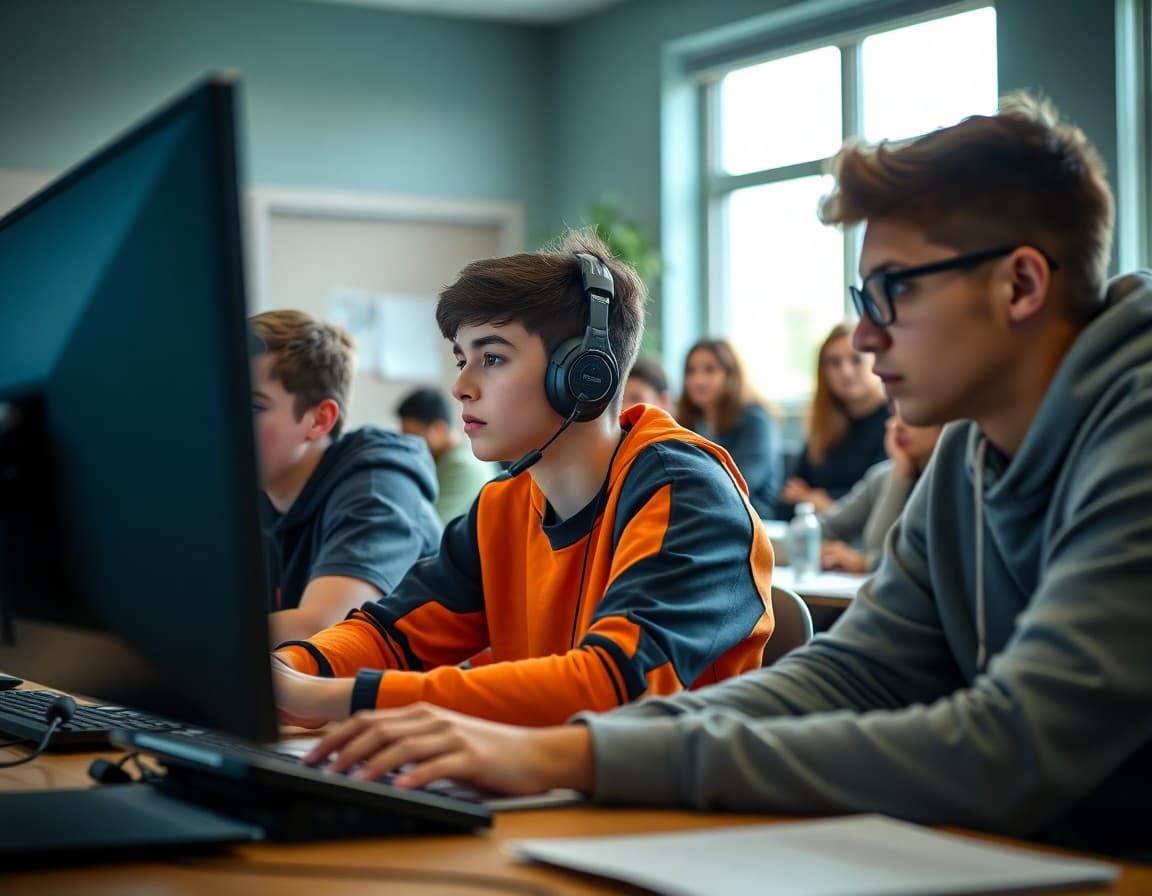
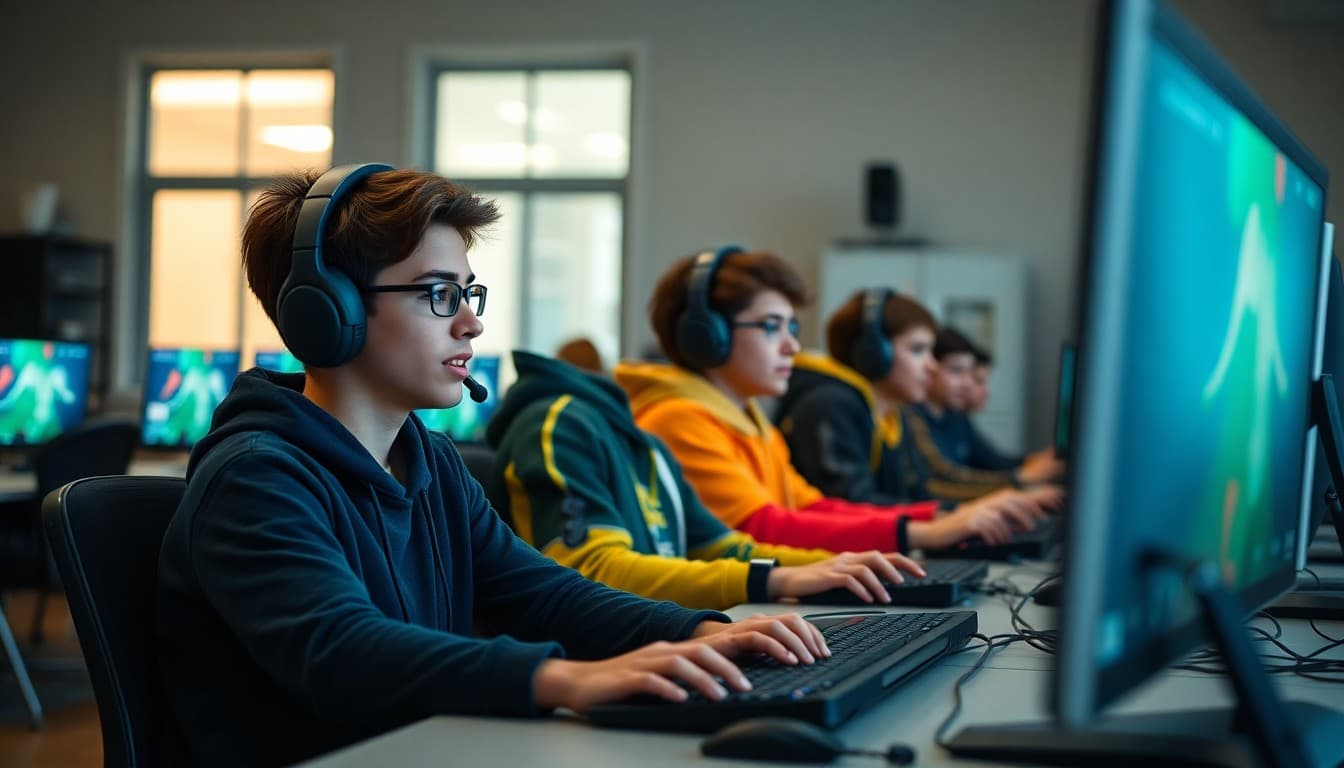
High school esports is the fastest-growing activity in American schools, with thousands of programs launched in the last five years. It is also one of the most misunderstood by parents. A newsletter that explains the program, makes the case for its value, and keeps families informed throughout the season does work that most other sports newsletters do not have to do.
Making the Case for Esports as a School Program
Some families need to understand why esports belongs in a school athletic or activity program before they can engage with it as supporters. Your opening newsletter is the place to make this case directly and without apology. Competitive esports develops the same skills as traditional team sports: communication under pressure, role specialization, strategy development, discipline in preparation, and the ability to perform when the outcome matters. The competitive structure -- league play, regular season, playoffs -- mirrors traditional sports.
Academic research on esports participation also shows cognitive benefits: reaction time, spatial reasoning, and strategic thinking all improve with focused competitive gaming practice. Including one or two specific findings in your opening newsletter gives skeptical parents something concrete to consider.
Which Games and Why
Families who are not gamers often do not know what Rocket League or Valorant involves. Your newsletter should briefly describe each game your team competes in: "Rocket League is a car soccer game. Teams of three drive rocket-powered cars to knock a ball into the opponent's goal. It requires precise control, quick communication, and coordinated team strategy. The ESRB rating is E10+ (Everyone 10 and older)."
Explaining game content and rating is a courtesy to parents who are monitoring their children's media exposure. It also preempts the concern before it becomes a complaint. If any games in your program have M (Mature) ratings, address this directly with the specific content descriptors and your program's rationale for inclusion.
Program Structure and Competitive Calendar
Most high school esports programs use league platforms like PlayVS, which organize schools into conferences for regular season play followed by playoffs. The season structure varies by game -- some titles have fall and spring seasons, others run year-round. Your newsletter should cover: the league platform your program uses, the regular season schedule and format (online matches, home vs. away distinction), playoff structure and timing, and any live events or LAN (local area network) competitions that require in-person attendance.
A Template Season Opening Esports Newsletter
Here is an opening section that works for a high school esports program:
"[School] Esports competes this season in [titles] through [league platform]. Our regular season begins [date] and runs through [date], with matches held [days and times] in [location]. Playoffs begin [approximate date]. All athletes are required to maintain academic eligibility (minimum [GPA] and no failing grades), attend required practices, and represent the school with sportsmanship in all online competition. Meet our team and coaching staff: [brief introductions]. Questions: contact Coach [name] at [contact]."
Conduct Standards and Online Sportsmanship
Online game environments can elicit different behavior than in-person competition. School esports programs that do not address conduct standards explicitly may find that in-game communication and behavior creates public relations problems for the program. Your newsletter should state the program's standards clearly: "Our athletes are expected to communicate professionally with opponents, avoid any form of toxic behavior, and represent [school] with the same sportsmanship standards we expect in any competition. Violations of conduct standards are subject to the same consequences as violations in any school sport."
Spectator Opportunities and How to Watch
Most esports competition happens online and is not easily spectated in person. However, some tournaments are held at LAN venues where families can attend. Additionally, many online matches can be streamed and watched live. Your newsletter should let families know how they can follow competition: "Our matches are broadcast live at [streaming link] on match days. We also hold home watch parties in the computer lab -- families are welcome to attend and watch with the team." Giving families a way to engage makes the program feel less like an isolated activity and more like a team sport.
Career Pathways and College Esports
Collegiate esports scholarships are now offered at hundreds of universities. Including a section in your mid-season or year-end newsletter about collegiate esports programs, scholarship opportunities, and the growing careers in game design, esports management, streaming, and competitive coaching validates the time students invest in the program for families who want to see a practical future pathway.
Get one newsletter idea every week.
Free. For teachers. No spam.
Frequently asked questions
Why do school esports programs need a newsletter?
Esports programs face a unique communication challenge: many parents are skeptical of competitive gaming as a school-sponsored activity and do not understand what makes it educationally valuable. A newsletter that explains the structure of competitive esports -- team communication, strategic thinking, practice discipline, and sportsmanship standards -- makes the case for the program's value while also providing the logistics families need. Esports programs that communicate well through the season build parent support that sustains the program long-term.
What games do high school esports programs typically compete in?
The most common titles in U.S. high school esports are Rocket League, League of Legends, Super Smash Bros. Ultimate, Overwatch 2, Valorant, Minecraft, and Hearthstone. Leagues like PlayVS, NASEF, and state athletic associations sanction different titles. Your newsletter should explain which game(s) your team competes in, the age and content rating of each title, and why those specific games are part of your school's program. Parents who are concerned about game content benefit from a clear explanation of what was considered in program decisions.
How should a newsletter address parent concerns about screen time and gaming?
Screen time concerns are real and deserve honest engagement rather than dismissal. Your newsletter can acknowledge the concern while explaining how the program structures it: defined practice hours, academic eligibility requirements, team commitment standards similar to traditional sports, and skills developed through competitive gaming including communication, strategy, and pressure performance. A newsletter that engages with parent concerns directly is more persuasive than one that ignores them.
What are the academic eligibility and conduct requirements for esports programs?
Most school esports programs apply the same academic eligibility standards as traditional sports: minimum GPA requirements, conduct standards, and participation requirements. Some programs apply additional requirements around in-game conduct because player behavior in online games is visible and directly represents the school. Your newsletter should be explicit about the program's standards: 'Esports athletes are held to the same eligibility requirements as all student athletes, plus in-game conduct standards that include sportsmanship, appropriate communication, and no tolerance for toxic behavior.'
Can Daystage help esports programs communicate with families throughout the season?
Yes. Daystage lets esports coaches build professional newsletters with match schedules, game highlights, team member spotlights, and results from league play all in one send. For parents who are new to esports, photos from practice and competition sessions that show students working as a team change the mental image from 'kids playing video games' to 'student athletes preparing for competition.' Esports programs that use Daystage report that parent skepticism decreases significantly after families see what a professional, well-organized esports program looks like in practice.

Adi Ackerman
Author
Adi Ackerman is a former classroom teacher and curriculum writer with 8 years in K-8 schools. She writes about school communication, parent engagement, and what actually works in real classrooms.
More for Athletics
Ready to send your first newsletter?
3 newsletters free. No credit card. First one ready in under 5 minutes.
Get started free