
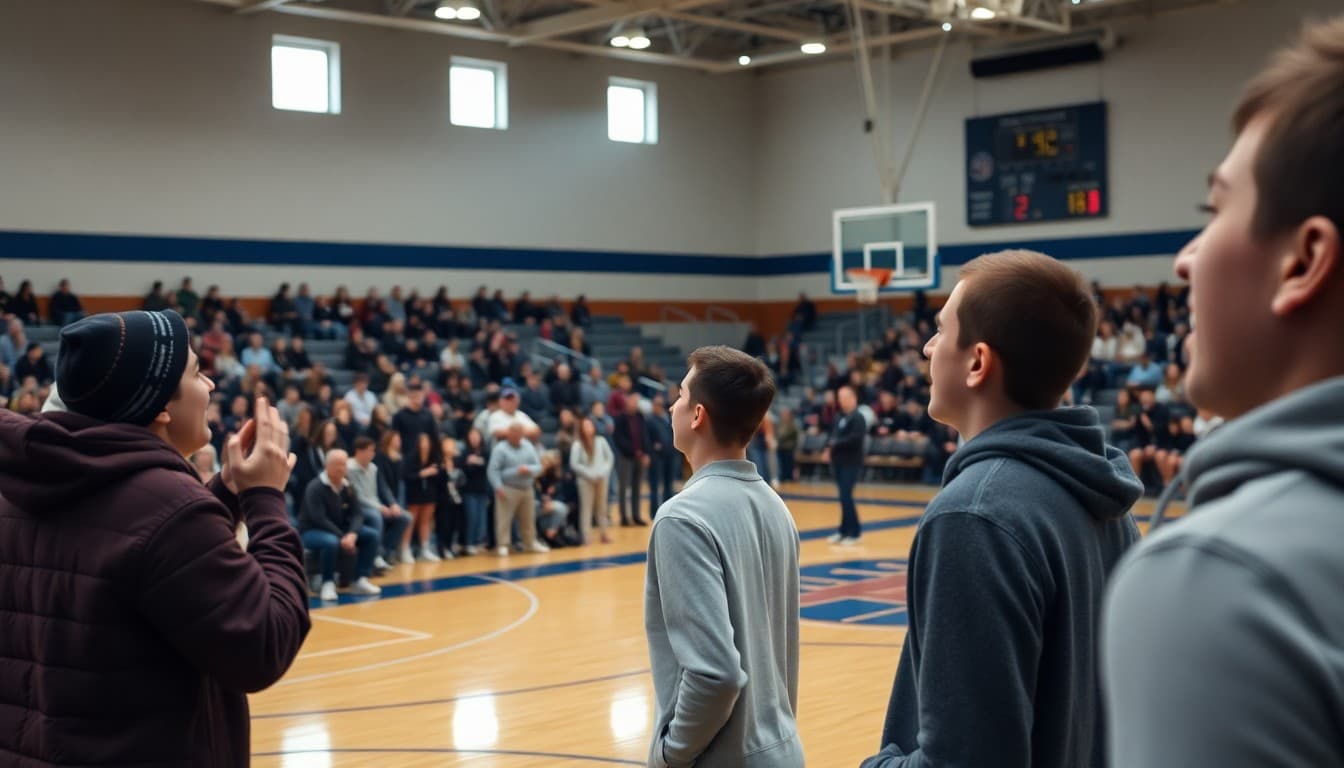
December Athletic Director Newsletter for Winter Sports and Holiday Schedules

December is the most logistically complex month in the athletic calendar. Winter sports are in their early weeks, holiday schedules need communicating, first-semester grades affect eligibility, and families are planning travel around practices and games. Your December newsletter handles all of it before the break chaos begins.
Publish the full holiday sports schedule
This is the most important section of your December newsletter. Families making holiday travel plans need to know exactly which days their student athlete has mandatory commitments. List each sport with practice dates, game times and locations, and any holiday tournament schedules. Be explicit about days off. "Basketball: practices December 26 and 28, no practice December 25 or 27, tournament December 29-30 in [city]." That level of specificity prevents the phone calls and complaints that arrive when families discover a mandatory event after they have booked travel.
Communicate your holiday policy clearly
State your school's policy on excused absences from practice and games during the holiday break, and what the consequence is for unexcused absences. Coaches and families both need to know the rules in advance. Vague policies create conflict. Written policies that were shared in December do not.
Remind athletes about end-of-semester eligibility
First-semester grades affect winter sports eligibility at many schools. Run the reminder now, before grades are finalized. Name the specific academic requirements, when you will pull grades, and what a student needs to do if they are at risk. A brief paragraph: "First-semester grades are finalized on December 20. Students who fall below a 2.0 GPA or fail to pass the required number of credits will be placed on academic probation starting January 6. Students who need tutoring support before finals should contact their counselor this week." That is specific enough to prompt action.
Recap fall sports season accomplishments
December is the right moment to formally close the fall sports chapter before winter consumes all the attention. A brief paragraph per major fall sport covers it: season record, playoff appearances, any individual or team awards, and a sentence of genuine appreciation for the team and coaching staff. Two to three sentences per sport is sufficient.
Preview upcoming winter tournament or invitational
If any of your winter sports teams are participating in a holiday tournament or invitational, give families the full details: location, dates, schedule if available, and what they need to do to attend or support the team. Holiday tournaments are often highlights of the winter season, and families who know about them in advance are more likely to make the trip.
Update booster club and spirit wear timing
Winter sports spirit wear orders often need to be placed before the holiday. A brief mention of any ordering deadlines, upcoming fundraisers, or booster events in December or January keeps the support community active.
State your communication plan for the break
Tell families how you will communicate during winter break, whether through email, a school app, or the athletic department website. Name who to contact for urgent issues during break and when normal office hours resume. One clear paragraph prevents the "I didn't know how to reach you" conversation when something comes up over the holiday.
Daystage makes it easy to send your December athletic director newsletter with embedded schedules, event details, and eligibility reminders in one place. Your families get everything they need before winter break begins.
Get one newsletter idea every week.
Free. For teachers. No spam.
Frequently asked questions
What should an athletic director include in a December newsletter?
Winter sports schedules through the holiday break, tournament or invitational information, end-of-semester eligibility reminders, holiday practice and game policies, travel team information for any away tournaments, and a recognition of fall sports season accomplishments. December also needs a clear statement about communication during break.
How do I communicate holiday sports schedules clearly in a newsletter?
List games and practices by sport, with dates, times, and locations. Be explicit about which days athletes are expected and which days are off. Parents making holiday travel plans need to know exactly which days their child has mandatory commitments. Surprises over the holidays are a guaranteed way to upset families.
Should I address end-of-semester eligibility in a December newsletter?
Yes, this is critical. First-semester grades determine spring and winter eligibility for many programs. Remind student athletes of the academic requirements, when grades will be finalized, and what the appeal process is if a student falls below the threshold. A reminder in December is better than a conversation in January.
How do I recognize fall sports in a December newsletter without it being too long?
A brief paragraph per sport, two to three sentences, covering the season record, any playoff appearances, and a sentence recognizing the team's effort. End with a collective thank-you to coaches. You do not need a full recap. Families remember the highlights, not the detailed season review.
What tool helps athletic directors manage sports communications?
Daystage works well for athletic departments that need to reach families quickly with schedules, eligibility reminders, and event information. You can embed schedules, add event blocks, and send to your entire sports community. Open-rate tracking helps you confirm families received time-sensitive information.

Adi Ackerman
Author
Adi Ackerman is a former classroom teacher and curriculum writer with 8 years in K-8 schools. She writes about school communication, parent engagement, and what actually works in real classrooms.
More for Athletics
Ready to send your first newsletter?
3 newsletters free. No credit card. First one ready in under 5 minutes.
Get started free