

Academic Decathlon Newsletter: Competition Season Communication
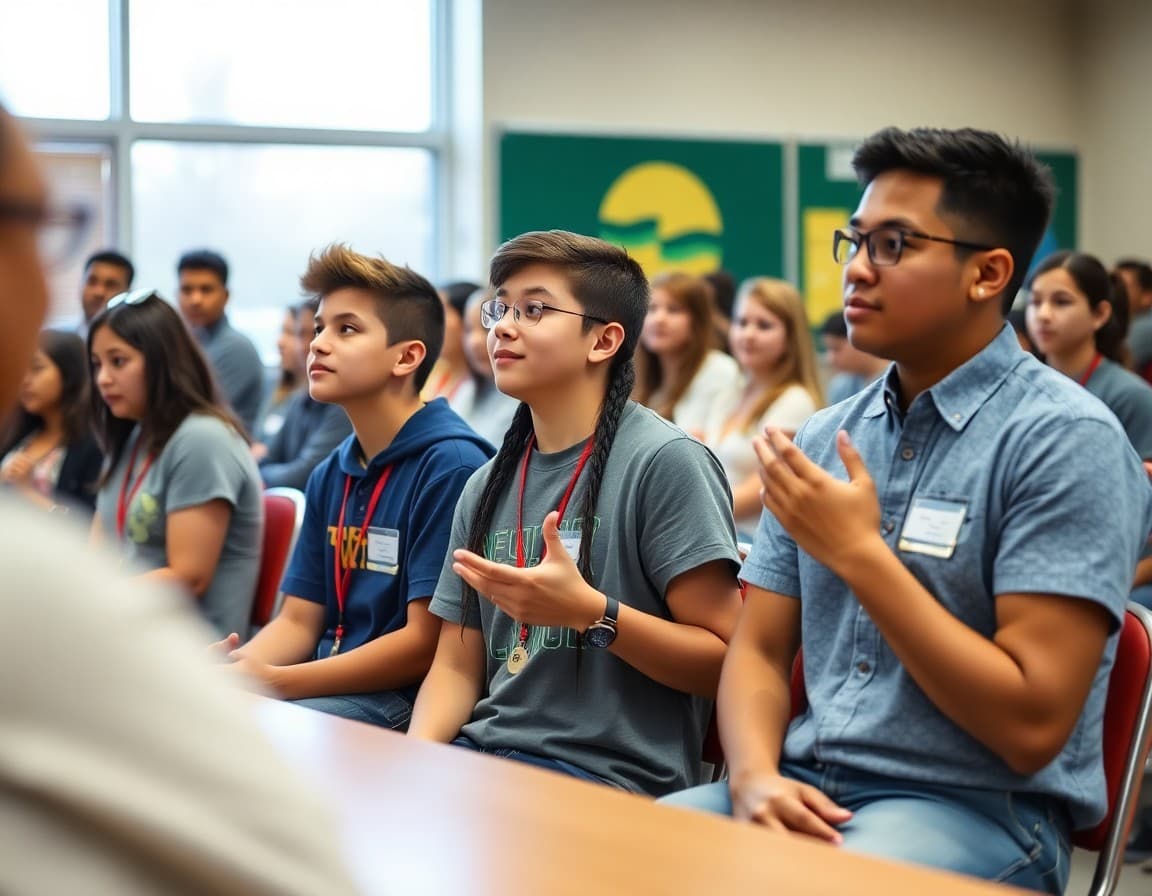
Academic Decathlon is one of the most demanding academic competitions in high school, covering ten subject areas studied in depth over a full year. It is also one of the least visible programs to families, who rarely see their child perform the way they would at a game or concert. A newsletter that makes the work visible and the achievements concrete changes that.
What Academic Decathlon Is and Why It Matters
Many families know their child is on the AcaDec team but do not fully understand what that means. Your opening newsletter should explain the program clearly: nine students, ten subject areas, three GPA categories, the connection of all subjects to an annual theme. Explain why the team structure across GPA categories is meaningful: a student with a 2.8 GPA (Varsity category) whose art and music scores outperform their Honors counterpart contributes critically to the team's total. AcaDec is one of the few academic competitions explicitly designed to include students who are not in the top GPA bracket.
This is an important point for families whose children are in the Varsity category to understand. Their child's contributions are not less valued -- the scoring system makes them essential.
The Annual Theme and Subject Areas
AcaDec releases its annual theme and Resource Guide in the fall. The theme connects all ten subject areas, so the team studies art, music, literature, economics, science, social science, and mathematics through the lens of a single central topic. Your newsletter should explain what this year's theme is and how the subjects connect to it. A family who understands that their child is studying the science, economics, and social history of a single historical period understands the program's depth better than one who just knows there are "ten subjects."
A Template Season Opening Newsletter
Here is an opening section for an AcaDec season newsletter:
"[School] Academic Decathlon is beginning preparation for the [year] competition season. This year's theme is [theme]. Our nine-member team will study ten subject areas -- art, economics, language and literature, mathematics, music, science, social science, speech, interview, and essay -- all connected to this year's theme. Regional competition is [date] at [location]. State is [date] at [location]. Practice meets [days and times] in [location]. Families: the most important support you can provide is quiet study time at home and consistency at practice. Contact Coach [name] at [contact] with any questions."
Communicating Practice Schedule and Preparation Intensity
AcaDec preparation requires significant time outside of regular practice. Students are expected to review Resource Guide material independently, self-quiz on each subject, and practice speech and interview in addition to attending team practices. Your newsletter should set expectations for this preparation load early: "Beyond our weekly team practices, each student is expected to spend approximately two to three hours per week reviewing subject material independently. As competition approaches in [month], this will increase. Please ensure your student has access to a quiet study environment at home."
Medal and Award Recognition Communication
After competitions, share medal achievements in a way that celebrates success without disclosing individual score details that are academic records. "Our team earned [number] gold, [number] silver, and [number] bronze medals at the regional competition. In the speech event, two members earned perfect or near-perfect scores. Our combined team score places us [rank] in the regional standings." This kind of recognition motivates the team and informs families without compromising student privacy.
State and National Competition Communication
Teams that advance to state championships require families to plan for a multi-day event. Your state competition newsletter should cover: travel dates and logistics, hotel information if overnight is required, the event schedule and what families can observe, and what the advancement criteria to nationals looks like. Teams that advance to nationals compete with the most serious AcaDec programs in the country -- the newsletter preparing families for nationals should convey the significance of that achievement.
Get one newsletter idea every week.
Free. For teachers. No spam.
Frequently asked questions
What is Academic Decathlon and why does it need a newsletter?
Academic Decathlon (AcaDec) is a national academic competition in which teams of nine students compete in ten subject areas: art, economics, language and literature, mathematics, music, science, social science, speech, interview, and essay. Competition is structured by grade point average categories (Honors, Scholastic, and Varsity) so students of all academic levels contribute. The program runs from September through state championships in spring, requiring significant preparation time and family support. A newsletter keeps families invested in a program that is less visible than sports.
How does the AcaDec competition structure work?
Teams of nine compete with three members in each GPA category: Honors (3.80 and above), Scholastic (3.20-3.79), and Varsity (below 3.20). Each subject area is tested, and scores are combined for individual and team totals. Some events are written tests, others are scored speeches and interviews. Competition typically moves from regional to state to national championships. A team with balanced scores across GPA categories often outperforms a team with very high scorers in Honors but weak Scholastic and Varsity members.
What study materials do AcaDec teams use, and how do families support preparation?
USAD releases a Resource Guide each year covering the annual theme. All ten subject areas connect to a central theme -- in recent years, themes have included Art and Science, Rise of Cities, and The Ancient World. Teams purchase or access the Resource Guide and supplementary materials. Families can support preparation by providing quiet study time, test prep materials for individual subjects, and meals or snacks for long study sessions. Your newsletter can share specific family support strategies that the coaching staff recommends.
How do AcaDec coaches communicate team progress without violating student privacy?
Academic Decathlon involves test scores that are academic records. Sharing individual student scores in a newsletter raises FERPA concerns similar to sharing grades. Focus newsletter content on team achievements (combined team score, number of students earning gold/silver/bronze medals), preparation milestones, and program culture rather than individual performance data. If you recognize individual achievements, do so with student consent and focus on medals earned rather than raw scores.
How can Daystage help Academic Decathlon programs communicate with families?
Daystage lets AcaDec coaches build a professional newsletter with competition schedule, subject area focus updates, and team achievement recognition all in one send. Newsletters with photos from study sessions and competition days humanize the program for families who otherwise see little of the preparation work. Programs that communicate consistently using Daystage report stronger family attendance at competition days and better fundraising for competition travel costs.

Adi Ackerman
Author
Adi Ackerman is a former classroom teacher and curriculum writer with 8 years in K-8 schools. She writes about school communication, parent engagement, and what actually works in real classrooms.
More for Athletics
Ready to send your first newsletter?
3 newsletters free. No credit card. First one ready in under 5 minutes.
Get started free