
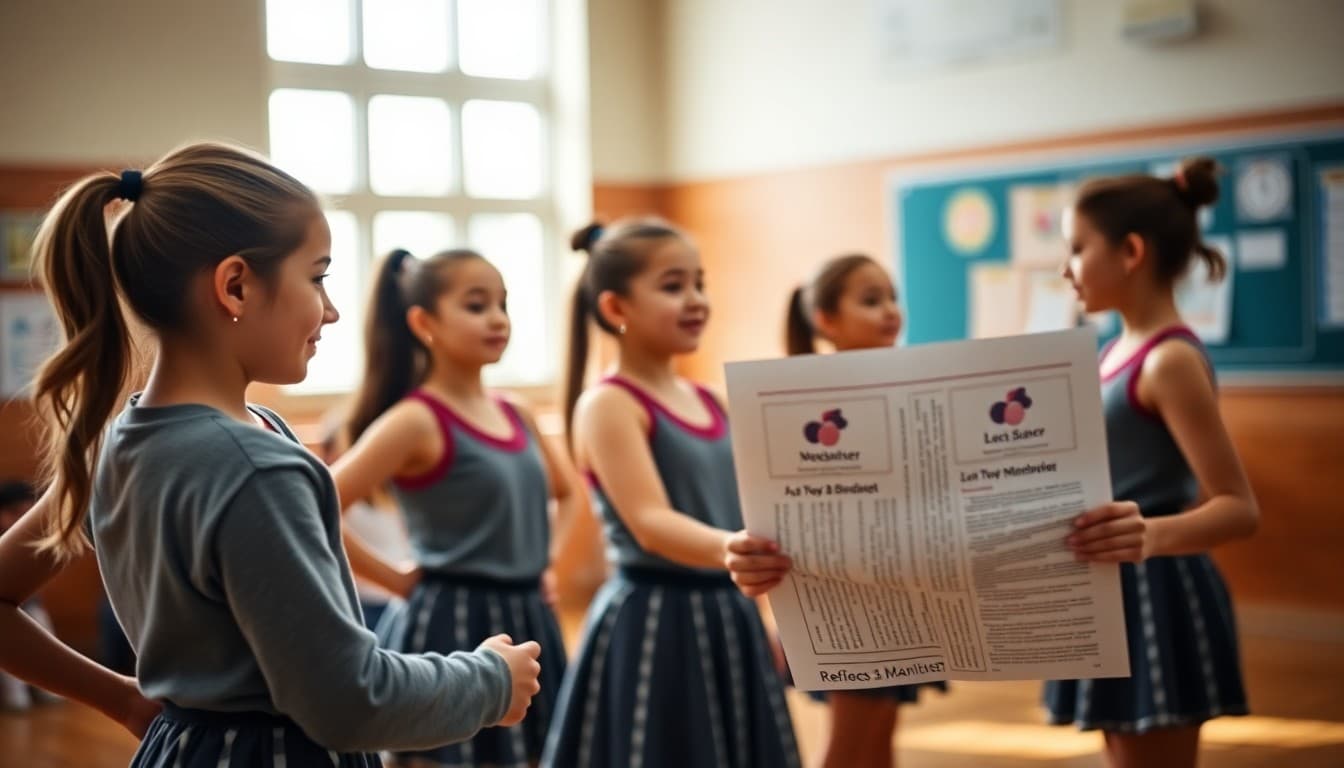
Dance Team Newsletter: Competition Season Communication
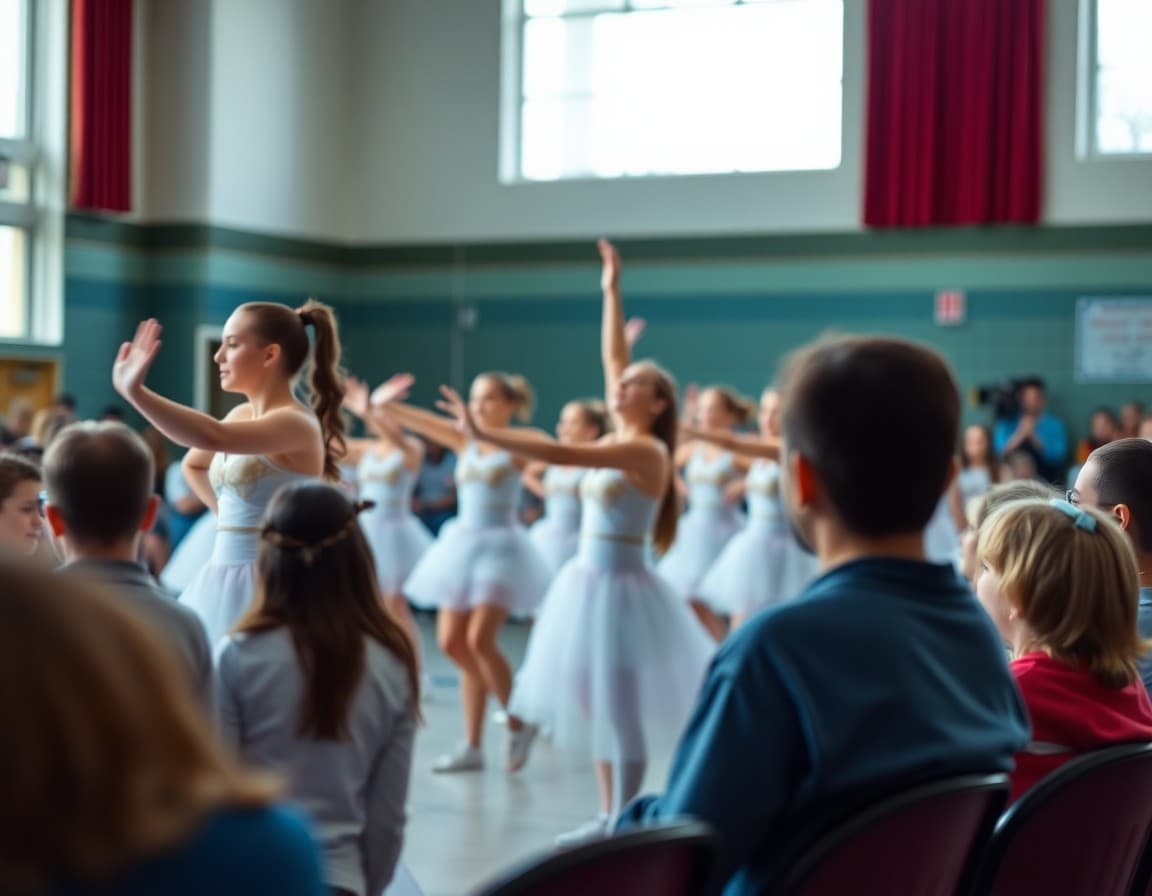
Dance team families at a major competition are trying to navigate a convention center, figure out which stage their dancer performs on, understand why the schedule changed from what was posted last night, and manage the specific costume and makeup requirements for each of three different routines. A dance team newsletter that prepares families for all of this is not optional -- it is the difference between a chaotic competition experience and a well-organized one.
The Competition Calendar: Your Most Important Communication
Dance team competition calendars are the central organizing document of the season. Unlike team sports with a fixed schedule of opponent matchups, dance competitions involve traveling to venues, performing in specific style divisions, and often staying for an extended event to receive awards. Your season-opening newsletter should include the full competition calendar with venue names and full addresses, the style divisions your team is entering at each competition, approximate performance windows (finals schedules are often released closer to the competition), and cost information for families attending as spectators.
Note explicitly when competitions require overnight travel: "The [competition name] on [date] requires overnight travel. Athletes will depart school on [date] at [time] and return on [date]. Hotel and transportation costs for athletes are covered by the program. Families attending as spectators are responsible for their own arrangements -- hotel information is included below."
Costume and Appearance Requirements by Routine
Dance teams competing in multiple style divisions -- pom, hip hop, jazz, kick, contemporary -- have different costume and appearance requirements for each routine. Your newsletter must cover all of them clearly and well in advance of the competition where they apply.
A template appearance requirements section: "For our hip hop routine: hair must be worn down or in a low ponytail. Natural makeup with bold eyes. Black jazz shoes with black socks. Costume: [description]. For our pom routine: high ponytail with [style/color] ribbon. Full stage makeup. Tan dance tights. White jazz shoes. Costume: [description]. Both routines will be performed at [competition name]. Hair and makeup call time is [time]."
A Template Competition Preview Newsletter
Here is a format for a competition preview newsletter issue:
"[Competition Name] -- [Date]. Venue: [name and full address]. Parking: [specific instructions]. Schedule: Doors open at [time]. Our pom routine performs at approximately [time] in [division/stage]. Our hip hop routine performs at approximately [time] in [division/stage]. Note: times are approximate and subject to change. Final schedule will be confirmed [X days before] and sent via [platform]. Spectator tickets: [price/where to purchase]. Athletes report to [call location] no later than [call time]. Full costume and makeup checklist: [link or below]."
Communicating About Choreography and Routine Development
Dance families are invested in seeing their child perform well. They want to know the routines are competition-ready. A newsletter that addresses routine development in aggregate terms -- "We have finalized our pom choreography and are focusing on synchronization and arm placement sharpness in this week's practices" -- gives families a window into the work without creating comparisons between individual dancers.
Avoid naming specific dancers in routine performance contexts unless you are communicating a formal recognition (solo performer at state, featured position earned through a selection process). Performance-level mentions in a group newsletter create interpersonal dynamics that damage team culture.
Volunteer and Fundraising Communication
Dance team programs often have significant costs: competition entry fees, costume expenses, choreography fees, travel, and training camps. Your newsletter is the primary vehicle for fundraising campaigns and volunteer recruitment. Be specific about what you need: "We need four parent volunteers to staff our fundraising table at the October 12 football game from 6 to 9 p.m. Sign up at [link]. We are also raising funds for our state competition travel costs -- our GoFundMe is at [link] and every contribution goes directly to offsetting athlete travel expenses." Specific requests produce specific results.
Awards and Recognition Communication
Dance competitions give multiple types of awards: placement by division, overall school division placement, and special recognition awards for specific scores in judging categories. A post-competition newsletter that explains what awards were received and what they mean -- in terms a family who is new to dance competition understands -- is one of the most appreciated communications you can send. Families who do not know what "superior rating" or "Grand Champions" means in competitive dance context need translation, not just announcement.
Get one newsletter idea every week.
Free. For teachers. No spam.
Frequently asked questions
How is a dance team newsletter different from a cheerleading team newsletter?
Dance team programs focus primarily on competition rather than sideline support, although many teams do both. Dance competitions involve distinct dance styles -- pom, hip hop, jazz, contemporary, kick, and prop categories -- with separate judged routines for each. A dance team newsletter must cover which styles the team is competing in, the specific competition schedule by style, costume requirements (which vary by routine), and how competition scoring works across different categories. The competition-focused nature means the newsletter calendar is more about competition season than game sideline duty.
How do you explain dance competition judging to families?
Dance competition judging covers technique, choreography, execution, synchronization, costuming, and entertainment value, with specific weight given to each category depending on the style division. Judging is panel-based and somewhat subjective. Your newsletter can explain the general framework while noting that two equally strong performances may place differently depending on the panel and the specific competition's judging emphasis. This prevents the family anger that comes from an unexpected placement at a major competition.
What are the biggest logistical challenges in dance team communication?
The biggest logistical challenges are: conveying accurate performance times at competitions (which change frequently as heat assignments shift), communicating costume and hair and makeup requirements that differ by routine, explaining competition venue logistics (auditoriums and convention centers are harder to navigate than school gyms), and managing the expectations of families whose dancers perform in multiple style divisions with different schedule and appearance requirements.
How should a dance team newsletter handle the audition and selection process?
Audition and selection decisions are individual conversations handled before the season. The team newsletter begins after the team is selected. If families have questions about selection, the newsletter should direct them to schedule a conversation with the director. The newsletter focuses entirely on the season ahead. One exception: when announcing tryout dates for the upcoming season, the newsletter is the appropriate vehicle. Cover audition dates, skill requirements, and the selection process overview clearly several weeks before auditions.
Can Daystage help dance programs manage competition season communication effectively?
Yes. Daystage lets dance directors build professional newsletters with competition schedules, costume guides, and venue information all in one send. You can update the newsletter weekly with performance times as they are confirmed and share photos from competitions that families who could not attend can see. Dance programs that use Daystage for competition season communication report significantly less day-of confusion at venues because families received detailed information in advance.

Adi Ackerman
Author
Adi Ackerman is a former classroom teacher and curriculum writer with 8 years in K-8 schools. She writes about school communication, parent engagement, and what actually works in real classrooms.
More for Athletics
Ready to send your first newsletter?
3 newsletters free. No credit card. First one ready in under 5 minutes.
Get started free