
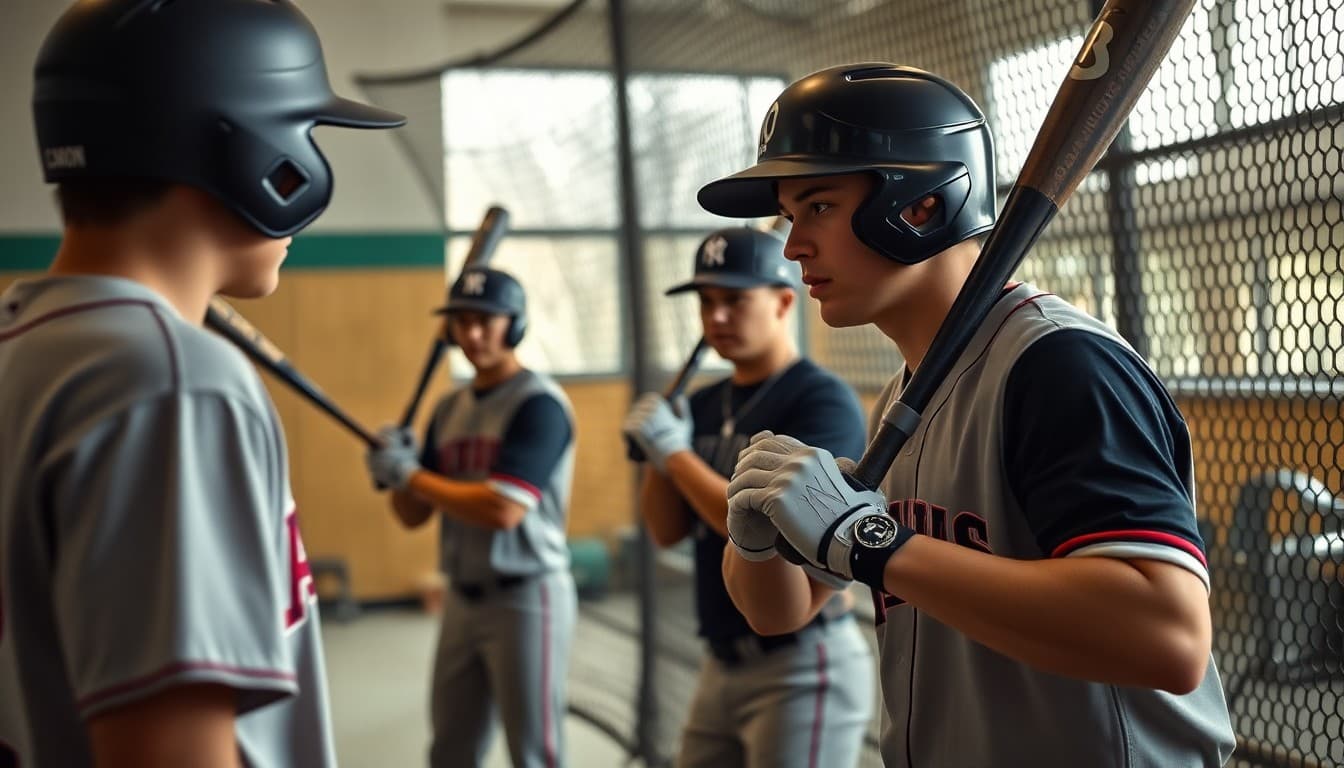
Baseball January Newsletter: Season Updates for Families
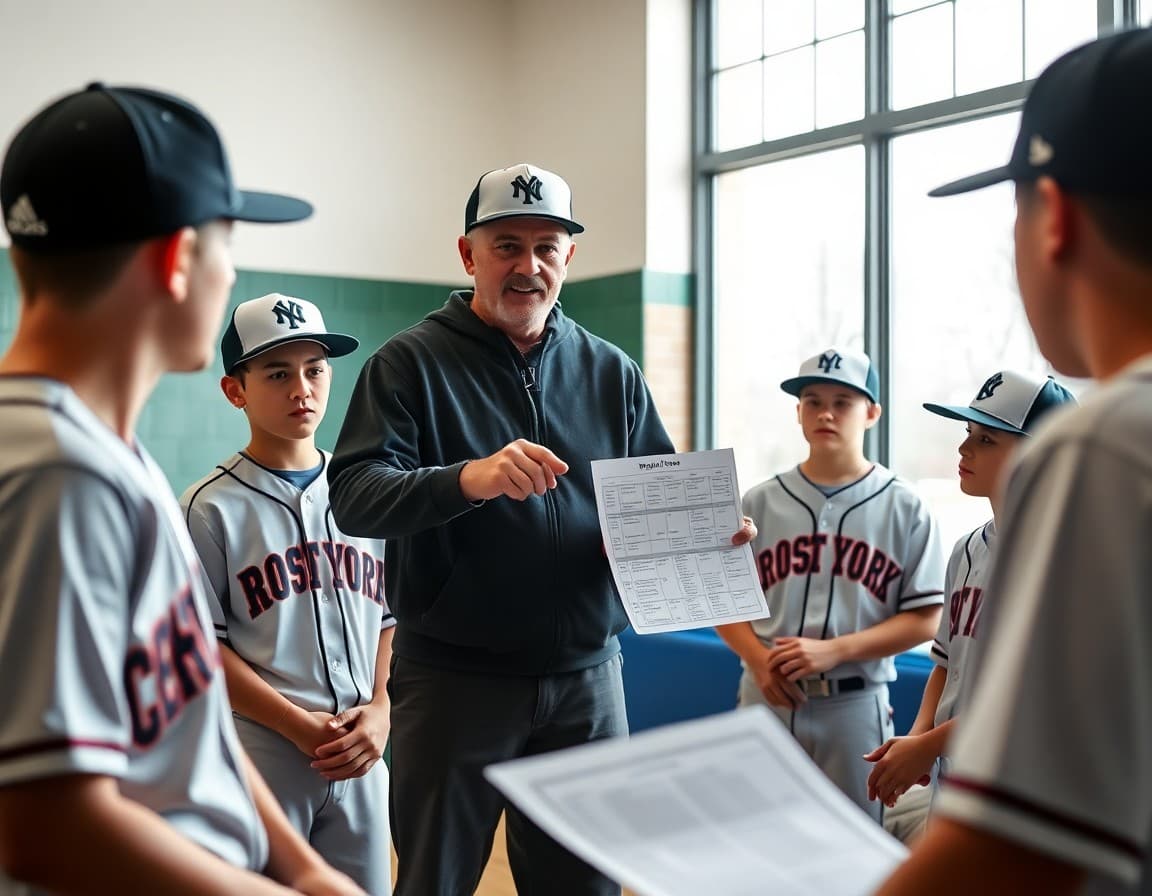
January is when baseball families shift from casual offseason mode to active preseason mode. Tryouts are six to eight weeks away, conditioning is ramping up, and families need clear information to prepare athletes properly. A focused January newsletter is one of the most important communications of the year for a baseball program.
Spring Tryout Date Confirmation
Lead with tryouts. Confirm the date, time, location, and format. If tryouts span multiple days, explain the structure of each session. State how many players will be selected at each level and when roster decisions will be communicated. For programs with a varsity, JV, and freshman level, separate the information clearly so each family knows what applies to their athlete. A family whose child is a sophomore targeting JV does not need the varsity process details to be mixed in with their information.
Physical and Eligibility Requirements
Physical deadlines are coming fast in January. State the deadline clearly, what form is required, and where to submit it. List every document in a brief checklist: completed physical form, emergency contact information, concussion acknowledgment, and any additional district-required paperwork. Give a contact name and number for families who need assistance. Athletes without cleared paperwork cannot participate in tryouts. This is a hard stop and families need to know it early enough to act.
Indoor Conditioning Update
Describe the current indoor conditioning schedule and any changes for January. Weight room sessions, indoor batting practice, and pitching mechanics work are all worth mentioning. If the schedule is accelerating as tryouts approach, note the transition. Athletes who are already conditioning regularly are better prepared for the physical demands of tryout week. Families who know the schedule are better able to support their athlete's preparation.
Spring Schedule Preview
Give families the spring schedule or as much of it as is confirmed. Include conference opponents, any non-conference games, and any major tournaments or trips. If a spring break trip or college campus tournament is planned, give a preliminary date so families can plan around it now rather than scrambling when the details are finalized in February. Mark anything tentative clearly.
Preseason Parent Meeting
If your program holds a preseason parent meeting in January or early February, include the date, time, location, and what the meeting will cover. Program expectations, schedule overview, communication protocols, and travel policies are all appropriate topics. A parent meeting before tryouts builds trust and reduces the volume of individual questions coaches receive during the season.
Equipment Check and Bat Certification
January is a good time to remind families about BBCOR bat certification requirements for high school baseball. A bat that is not BBCOR certified cannot be used in official play. Families who are buying new bats over winter break need to know this before they purchase. Also note what the school provides and what athletes are responsible for supplying. A brief list prevents last-minute equipment confusion at the first practice.
Sample January Newsletter Section
Here is a template excerpt:
"Spring tryouts begin February 24 at 3:30 PM on the varsity field. All athletes must have a completed physical on file by February 20. A preseason parent meeting is February 19 at 6:00 PM in the gymnasium. Our spring schedule includes 24 games with a possible tournament trip to Lakewood March 20-22. Full schedule will be posted February 10."
Getting Families Ready for Opening Day
The families who walk into tryout week prepared are the ones who received good communication in January. Daystage makes it easy to build that January newsletter quickly, even with a conditioning schedule and school obligations competing for your time. A clean, organized newsletter sent in the first week of January gives families the runway they need to get their athlete ready for a strong spring.
Get one newsletter idea every week.
Free. For teachers. No spam.
Frequently asked questions
What is the focus of a baseball January newsletter?
January is the final push before spring tryouts. Cover tryout dates and format, physical and eligibility requirements, indoor conditioning updates, spring schedule preview, and any team events happening before tryouts begin.
How should baseball programs communicate tryout expectations in January?
Be specific about dates, duration, what will be evaluated, and how roster decisions will be communicated. For programs with multiple levels, separate the information for varsity, JV, and freshman try-outs clearly so each family has relevant information.
What physical and paperwork reminders belong in a January baseball newsletter?
Repeat the physical deadline and submission process. List every required document. January is close enough to tryouts that families who have not yet completed physicals need to act immediately. Give them the name and contact of whoever handles this so they know exactly where to go.
Should January baseball newsletters include a spring schedule?
Include whatever is confirmed. A preliminary schedule helps families plan. Even a list of confirmed conference opponents without specific dates is useful. Mark anything tentative and give a date when the final schedule will be posted.
How does Daystage help baseball coaches prepare for the busy spring communication season?
Daystage lets you build a newsletter template in January and reuse it through the spring season with minimal updates each month. Your subscriber list is already active from fall communication, so you can reach families instantly when news breaks during the season.

Adi Ackerman
Author
Adi Ackerman is a former classroom teacher and curriculum writer with 8 years in K-8 schools. She writes about school communication, parent engagement, and what actually works in real classrooms.
More for Athletics
Ready to send your first newsletter?
3 newsletters free. No credit card. First one ready in under 5 minutes.
Get started free