

Arizona Athletics Newsletter: Local Resources and Guide
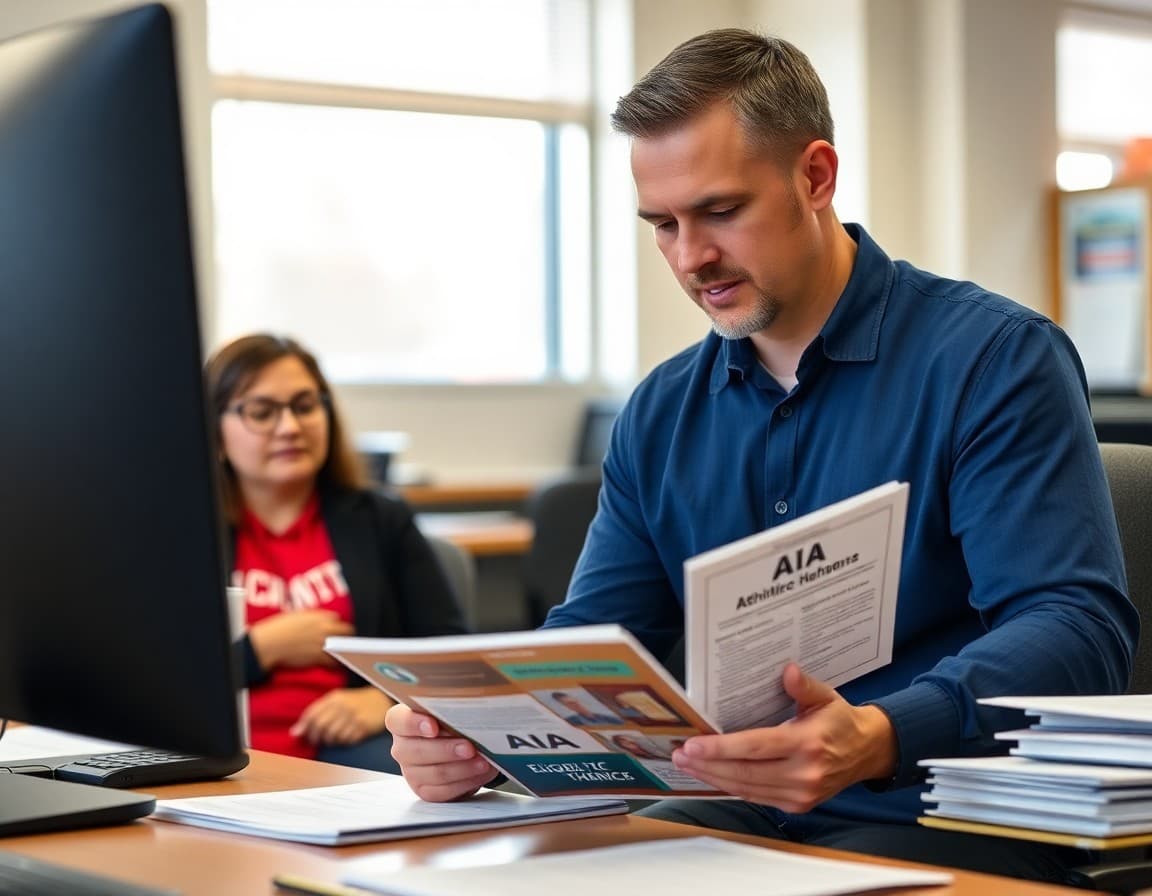
Arizona high school athletics operates under some of the most extreme weather conditions in the country. August preseason heat, a nearly year-round outdoor sports calendar, and a rapidly growing student population make effective communication essential for athletic directors across the state. Understanding AIA requirements and local environmental factors is the foundation of a well-run program.
AIA Eligibility Requirements
AIA eligibility rules cover academic standing, age limits, transfer periods, and physical examination requirements. Arizona has specific rules about transfer eligibility that can be complex for families who move between districts or schools. Athletic directors should communicate the core eligibility requirements clearly at the start of each season. For transfers, direct families to the athletic office immediately rather than letting assumptions develop. AIA transfer rules are specific and families who do not understand them make decisions that affect their athlete's eligibility.
Heat Safety Protocols for Arizona Schools
August and September in Arizona present real heat illness risk for student athletes. AIA mandates heat acclimatization guidelines for fall sports preseason. Communicate your district's specific heat protocol: the Wet Bulb Globe Temperature or heat index thresholds, what triggers a full practice cancellation versus a modified session, how families will be notified, and what athletes should do to prepare before arriving at practice. Include the name and contact of your athletic trainer if you have one. This section is not optional in Arizona.
Fall Sports Preseason Communication
Football preseason in Arizona starts in late July or early August. The combination of full pads, intense conditioning, and triple-digit temperatures creates conditions that demand extraordinary communication. Parents of football athletes need to know the exact practice schedule, heat modification protocols, equipment distribution logistics, and mandatory parent meeting details before the first day of preseason. A thorough preseason newsletter for Arizona fall sports programs is one of the most important communications of the year.
Year-Round Sports Calendar
Arizona's climate supports nearly year-round outdoor athletics. Some sports have seasons that extend later into spring or begin earlier in fall than in other states. Athletic directors should communicate the full annual athletics calendar to families at the start of the school year so they can plan around the extended sports calendar. Swimming, golf, and tennis in particular benefit from the Arizona climate with longer competitive seasons than most other states enjoy.
Water and Hydration Policy Communication
Hydration protocols should be included in every fall and spring athletics newsletter for Arizona programs. State the program's expectations for athletes arriving at practice pre-hydrated. Give specific guidance on daily water intake recommendations for athletes in hot conditions. Note what the school provides in terms of water access and what athletes should bring. This is not excessive detail. In Arizona heat, it is essential safety communication.
Local Resources for Arizona Athletic Programs
AIA provides resources for athletic administrators including eligibility forms, classification information, and championship event details. The Arizona Department of Education offers health and wellness resources. The Arizona Coaches Association and Arizona Athletic Directors Association both provide professional development and peer support for athletic administrators across the state.
Sample Newsletter Section for Arizona Programs
Here is a template excerpt Arizona athletic directors can adapt:
"Fall preseason begins August 2. AIA heat acclimatization protocols are in effect for the first five days. Heat index above 95 degrees Fahrenheit triggers a modified practice. All modifications will be posted on the school app by 6:00 AM on practice days. Athletes should arrive at practice fully hydrated. Our athletic trainer will be on site daily from 7:30 AM through the end of practice."
Communication That Matches the Arizona Environment
Arizona athletes and families deserve communication that takes the local environment seriously. Daystage gives Arizona athletic directors the tools to send timely, professional newsletters to every sport's families. When heat protocols change, when preseason schedules shift, or when championship brackets are posted, one send reaches your entire athletics community. That speed and reliability matters in a state where conditions change fast.
Get one newsletter idea every week.
Free. For teachers. No spam.
Frequently asked questions
What is the AIA and how does it govern Arizona high school sports?
The Arizona Interscholastic Association governs interscholastic athletics for Arizona public and private schools. AIA sets eligibility requirements, classification structures, transfer rules, and championship formats for all sanctioned sports. Athletic directors should communicate AIA guidelines clearly to families throughout the year.
How does Arizona heat affect athletic communication requirements?
August and September in Arizona can be dangerously hot. AIA has specific heat acclimatization guidelines for fall sports. Athletic directors must communicate heat protocols clearly to families: the heat index thresholds that trigger modifications, what modified practice looks like, and how families will be notified of changes.
What sports are most popular in Arizona high school athletics?
Football and basketball have the highest participation in Arizona. Baseball and softball are also strong, along with soccer, wrestling, golf, swimming, and cross country. The state's warm climate supports outdoor sports nearly year-round, and many programs run year-round development programs.
How does the AIA classification system work?
AIA classifies schools from 1A through 6A based on enrollment. Each classification has separate playoff brackets and championship events. Families who are new to Arizona high school athletics benefit from a brief explanation of what class their school competes in and what that means for the competitive schedule.
How does Daystage help Arizona athletic directors manage heat protocol communication?
When heat protocols are triggered, Daystage lets athletic directors send immediate updates to all sports families. Instead of relying on phone trees or social media posts, one newsletter reaches every family subscribed to your athletics list in minutes.

Adi Ackerman
Author
Adi Ackerman is a former classroom teacher and curriculum writer with 8 years in K-8 schools. She writes about school communication, parent engagement, and what actually works in real classrooms.
More for Athletics
Ready to send your first newsletter?
3 newsletters free. No credit card. First one ready in under 5 minutes.
Get started free