
Athletic Trainer Newsletter: Injury Prevention and Health Tips
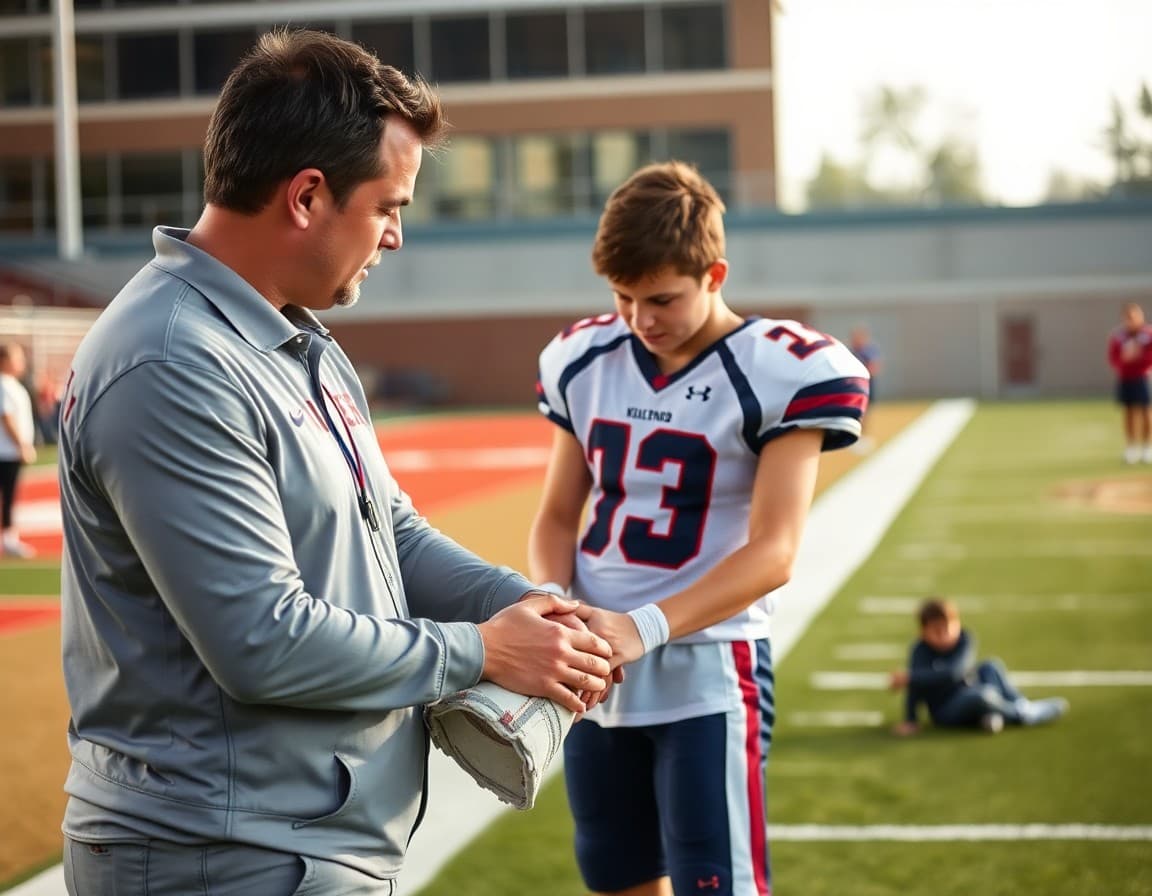
Most athletes and their families do not interact with the school athletic trainer until an injury happens. At that point, communication is reactive and often stressful. An athletic trainer newsletter flips that dynamic -- it builds a relationship before the injury, establishes trust, and ensures families already understand the processes they will need to navigate when something goes wrong.
Introducing the Athletic Trainer to the School Community
Your first newsletter of the year should introduce yourself, your credentials, your location and hours, and what you can and cannot do for student athletes. Many families confuse athletic trainers with personal trainers or physical therapists. A clear introduction prevents this.
A template introduction: "I am [Name], Certified Athletic Trainer (ATC) at [School]. I am a licensed healthcare provider specializing in sports medicine, injury evaluation and treatment, and athlete health. My office is located at [location] and I am available [hours]. I am at all home athletic events and available to athletes during the school day for injury evaluation, rehabilitation, and health questions. For injuries requiring physician evaluation, I will coordinate the referral. Contact me at [phone/email] with any questions about your student's health in the context of athletics."
Concussion Education: The Most Important Newsletter Content
Concussion recognition and management is the most consequential health education a school athletic trainer can provide to families. The signs of concussion -- headache, confusion, dizziness, visual disturbances, memory problems, sensitivity to light or noise, balance problems -- need to be known by every family with a student athlete, not just those in contact sports.
Your newsletter should cover: how to recognize concussion symptoms, what to do if you suspect your athlete has a concussion (remove from play immediately, do not return the same day, seek evaluation), the school's concussion protocol and who to report to, and the graduated return-to-play timeline required by state athletic association rules. Including the NFHS or CDC concussion fact sheet link in your newsletter gives families a reference document they can keep.
Heat Illness Prevention in Fall and Spring
Heat-related illness is preventable, and family education about heat illness prevention significantly reduces risk. Your fall and spring newsletters should cover: how much water athletes should drink before, during, and after practice in warm weather (aim for pale yellow urine as a hydration indicator), the signs of heat exhaustion vs. heat stroke, the importance of acclimatization during the first 10 to 14 days of fall practice, and what to do if an athlete shows heat illness symptoms.
Be specific about what concerns to bring to you: "Any athlete who appears confused, stops sweating in hot weather, has hot dry skin, or loses consciousness during or after practice is experiencing a medical emergency. Call 911 immediately and cool the athlete with cold water or ice until emergency services arrive. Then contact me at [number]."
A Template Preseason Health and Safety Section
Here is a health and safety section that works at the start of each sports season:
"As [season] sports begin, here are the health reminders that apply to all athletes this time of year: [2-3 seasonal health points -- e.g., hydration in heat, appropriate warm-up in cold, proper footwear for surface type]. Pre-participation physicals must be on file before the first practice -- if your student's physical is expiring or not yet complete, schedule one immediately with their primary care provider using the state athletic participation form available at [location/link]. If your athlete sustains an injury during the season, contact me at [phone/email] before returning to practice. Do not decide to 'wait and see' on head injuries -- contact me immediately."
Nutrition and Sleep for Athletic Performance
Pre-practice and pre-competition nutrition is one of the areas where family choices directly affect athletic performance and injury risk. An athlete who arrives at practice significantly underfueled is at higher risk for fatigue-related injury. A newsletter that covers basic sports nutrition -- eat a real meal 2 to 3 hours before practice, have a light snack 30 to 60 minutes before if meals are earlier, hydrate consistently throughout the day, not just before practice -- gives families actionable guidance that supports their athlete's performance.
The Return-to-Play Protocol: Setting Expectations
The most common point of conflict between families and athletic trainers is return-to-play timing after injury. A family who believes their athlete is recovered may push for earlier return than the medical protocol allows. Your newsletter can address this proactively: "Return-to-play decisions after injury are based on evidence-based protocols that prioritize long-term athlete health. For concussions, return requires being symptom-free for a minimum period and completing a graduated activity progression -- this cannot be shortened regardless of how an athlete feels. For other injuries, return is based on full restoration of strength, range of motion, and function, not absence of pain alone. I am always available to discuss individual cases and explain the reasoning behind any return-to-play decision."
Get one newsletter idea every week.
Free. For teachers. No spam.
Frequently asked questions
Why should a school athletic trainer send a newsletter to families?
The athletic trainer is the primary medical support for student athletes, but most families do not know who their school's athletic trainer is, what hours they are available, when to bring an injury to their attention vs. a physician, or what signs indicate an athlete should not return to play. A newsletter that introduces the athletic trainer's role, explains the injury evaluation process, and provides practical health education closes these gaps and prevents the situations where athletes return from injury prematurely or family questions about medical decisions become contentious.
What injury prevention content is most valuable in an athletic trainer newsletter?
The highest-value injury prevention content for families includes: pre-participation physical exam requirements, concussion recognition and protocol, heat illness prevention during fall and spring seasons, proper hydration guidance, sleep and nutrition for athletic performance, the difference between soreness and injury, and when to rest vs. push through discomfort. These are the topics where family knowledge directly affects athlete safety. An athlete whose family understands concussion symptoms is more likely to be appropriately removed from play after a head impact.
How should an athletic trainer newsletter address the return-to-play process?
The return-to-play protocol after injury is one of the most common sources of family frustration in school athletics. A family who does not understand why their athlete cannot return after an injury has healed may pressure the athlete and the coach to allow participation before it is safe. Your newsletter can explain the graduated return-to-play protocol -- particularly for concussions, where the NFHS six-step protocol requires symptom-free days and a multi-day progression -- so families understand that the timeline is evidence-based, not arbitrary.
How do you explain the athletic trainer's role vs. a team physician?
Athletic trainers (ATC) are licensed healthcare providers who evaluate and treat athletic injuries, manage sports medicine, and coordinate with physicians for conditions requiring advanced care. They are not physician substitutes. An athlete with a significant injury may be evaluated initially by the athletic trainer and then referred to the team physician, an orthopedic specialist, or their primary care provider. Your newsletter should explain this referral process and provide the contact information families need to navigate it.
Can Daystage help athletic trainers communicate with athletes and families efficiently?
Yes. Daystage lets athletic trainers build a professional health and wellness newsletter with injury prevention tips, seasonal health alerts, and important contact information all in one send. A newsletter sent through Daystage looks professional and gets opened at higher rates than plain-text emails. Athletic trainers who communicate proactively through the season with Daystage report fewer last-minute parent calls about injury management because the newsletter answered the questions in advance.

Adi Ackerman
Author
Adi Ackerman is a former classroom teacher and curriculum writer with 8 years in K-8 schools. She writes about school communication, parent engagement, and what actually works in real classrooms.
More for Athletics
Ready to send your first newsletter?
3 newsletters free. No credit card. First one ready in under 5 minutes.
Get started free