

South Carolina Arts Program Newsletter: Local Resources and Guide
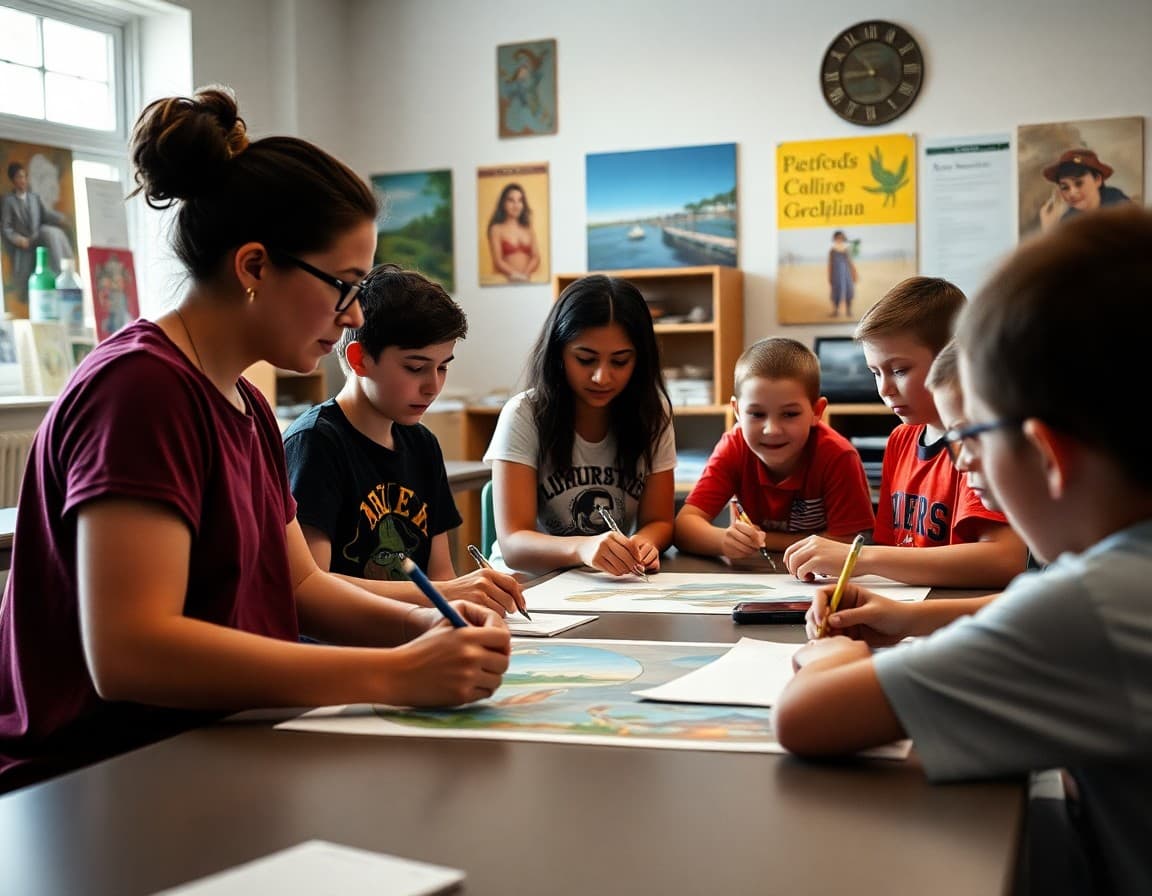
South Carolina's arts education landscape is shaped by the state's specific cultural heritage, its geographic character, and the communities that have built and maintained artistic traditions across generations. A newsletter that connects the school arts program to this larger Lowcountry and Upstate arts context gives families a reason to value what their child is learning beyond the individual projects that come home in a portfolio.
Connect to South Carolina's state arts resources
South Carolina's state arts agency provides grants, artist residencies, and professional development programs that many school arts teachers do not fully access. A newsletter that names these resources and explains how the program is using them demonstrates that the arts teacher is an active member of the state's arts education community, not just a classroom practitioner working in isolation.
Tie the curriculum to South Carolina arts traditions
South Carolina's contribution to American arts culture includes South Carolina's Gullah Geechee sweetgrass basket weaving tradition, one of the oldest African American craft traditions in the country, and the state's rich gospel music heritage. When the arts curriculum connects to these traditions, students develop a sense of artistic identity rooted in their specific community. Families who understand this connection are more invested in the program than families who see arts class as generic enrichment.
Share local arts events and institutions
Tell families about the arts institutions and events available to them in South Carolina. the Columbia Museum of Art and the Gibbes Museum of Art in Charleston offer programs specifically designed for school-age students. Community arts events, local theater productions, and gallery openings give families and students ways to engage with the arts outside of school. A newsletter that names these specifically gives families an actionable arts calendar rather than a general encouragement to engage with culture.
Describe the program's state standards alignment
South Carolina arts educators follow the National Core Arts Standards, which provide a rigorous framework for creative skills development across all grade levels. A newsletter that references these standards and explains how the curriculum addresses them gives families the information they need to advocate for arts education when budget decisions are made. Arts classes with demonstrable standards alignment are more defensible than programs that cannot articulate their educational objectives.
Sample newsletter template excerpt
Dear Arts Families,
This month we are connecting our curriculum to South Carolina's artistic heritage. Students are studying South Carolina's Gullah Geechee sweetgrass basket weaving tradition, one of the oldest African American craft traditions in the country, and the state's rich gospel music heritage as a way of understanding how artistic traditions develop from community identity and are passed forward across generations.
For families interested in exploring South Carolina's arts resources, the state arts agency website is a good starting point. It lists community artists, grants, and education programs available to our school community.
Invite families into arts advocacy
Arts programs across the country face budget pressures every year. South Carolina is no exception. A newsletter that gives families concrete information about the program's value, its state connections, and its role in student development gives them the tools to advocate when decisions that affect the program are made. The most effective advocates are informed ones, and newsletters are the most efficient way to keep families informed.
Build toward a school community arts culture
Arts programs that communicate consistently develop school communities where arts are seen as central rather than supplementary. When families in South Carolina receive a monthly arts newsletter through Daystage, they begin to see the arts program as a pillar of the school's identity rather than an elective. That perception shift is the most sustainable protection an arts program can have.
Get one newsletter idea every week.
Free. For teachers. No spam.
Frequently asked questions
What state arts resources are available for South Carolina schools?
The South Carolina arts agency provides grants, artist residency programs, and professional development for arts educators across the state. the Columbia Museum of Art and the Gibbes Museum of Art in Charleston offer education programs, school tours, and curriculum resources. Arts teachers who connect their programs to these state and regional resources strengthen their curriculum and make a compelling case to administrators that the arts program is part of a supported statewide education infrastructure.
How do South Carolina arts traditions shape what is taught in arts classes?
South Carolina's arts education is shaped by South Carolina's Gullah Geechee sweetgrass basket weaving tradition, one of the oldest African American craft traditions in the country, and the state's rich gospel music heritage. Teachers who incorporate these local traditions alongside national curriculum standards give students a sense of artistic identity rooted in their specific place. A newsletter that names these traditions explicitly helps families understand that the arts curriculum is both nationally rigorous and locally meaningful.
How do South Carolina arts teachers connect their curriculum to the local community?
Community connections for South Carolina arts programs include partnerships with local museums and galleries, artist-in-residence programs, field trips to Columbia cultural institutions, and participation in state and regional arts competitions and festivals. Teachers who actively build community connections have stronger programs and more family support than teachers who treat the arts class as self-contained.
How do South Carolina arts teachers access grant funding?
The South Carolina arts agency offers education grants accessible to K-12 arts programs. Community foundations, local arts organizations, and national foundations like the National Endowment for the Arts also fund school arts programs. A newsletter that tells families about grant applications the program is pursuing builds community support and may encourage families with grant-writing experience to offer their help.
How does Daystage help South Carolina arts teachers communicate with families?
Daystage gives South Carolina arts teachers a professional newsletter platform that connects families to what students are learning, what state resources the program is using, and how families can support the arts in their school. When teachers use Daystage consistently throughout the year, families develop the expectation of staying connected to the arts program rather than hearing about it only when a concert or show approaches.

Adi Ackerman
Author
Adi Ackerman is a former classroom teacher and curriculum writer with 8 years in K-8 schools. She writes about school communication, parent engagement, and what actually works in real classrooms.
More for Arts & Music
Ready to send your first newsletter?
3 newsletters free. No credit card. First one ready in under 5 minutes.
Get started free