
Music Teacher End of Year Newsletter: Communication Guide
The end-of-year music newsletter is the final statement of everything the program has been doing since September. It is not a recap email or an administrative close. It is a letter to families who invested their time, their child's energy, and their trust in the program. Write it as if it is the last chance to tell them what that investment produced. Because for this year, it is.
Open by naming the year honestly
Not "what a wonderful year" but something specific and true. The challenge that defined the year. The moment that surprised you. The thing that did not go as planned and the way students responded to it. Opening with honesty makes everything else in the newsletter more credible.
Describe the year's musical arc
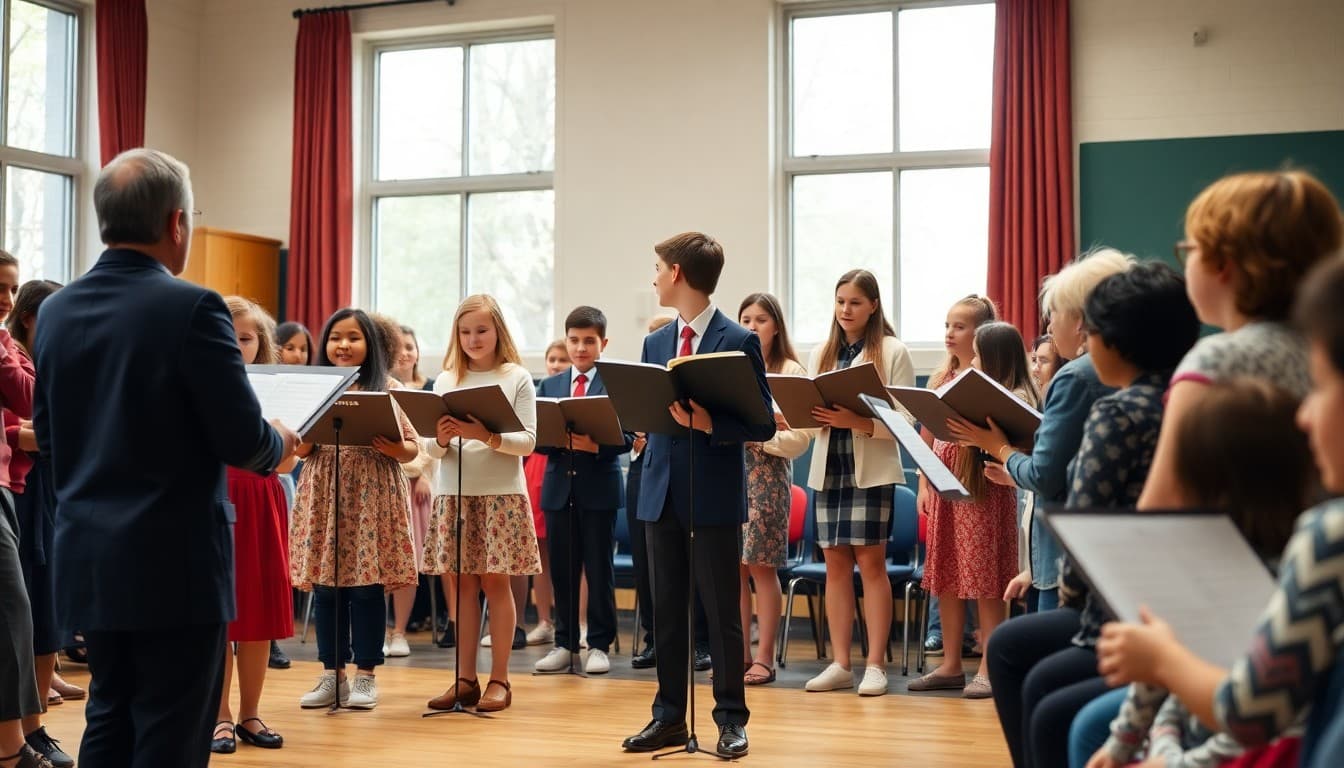
Walk families through the year from first rehearsal to final concert. Name the repertoire, the skills developed, the performances completed. A full-year curriculum summary is longer than families usually realize and more impressive when laid out completely. Families who see the full arc understand what nine months of music education produces.
"We started September with students who had never performed in front of an audience. We ended May with an ensemble that performed three concerts, participated in district festival, earned a superior rating at solo and ensemble, and learned twelve pieces of music across five different styles. That is one school year."
Recognize specific student accomplishments
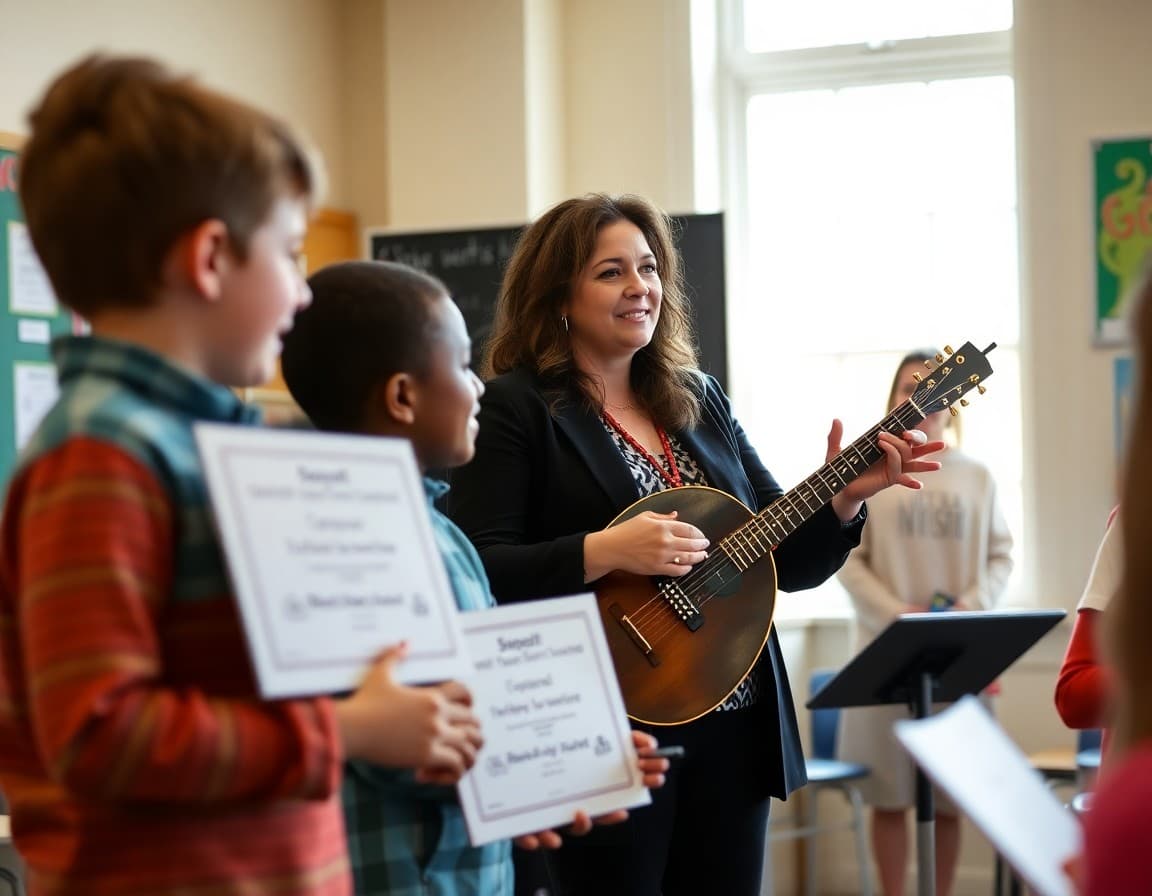
Name the students who achieved something specific this year. First soloists. Students who advanced levels. Students who overcame significant challenges. Students who became leaders in the ensemble. Each recognition should be one to two sentences and specific enough that the family recognizes exactly what you are referring to.
Thank the families and supporters who made the year work
Name the booster club volunteers, the families who drove students to festivals, the parents who donated instruments or supplies, the families who came to every concert. Specific thanks in the final newsletter is the highest-value thank-you the program can offer. It costs nothing and means everything.
Sample newsletter template excerpt
Dear Music Families,
This is the last newsletter of the year. I want to use it to tell you something I genuinely believe: this was one of the best groups I have had the privilege of directing. Not because of natural talent, though there is plenty of that. Because of effort.
Thank you to the families who came to every concert, drove to every festival, and kept asking your child about practice even when the answer was 'fine' every single time. It mattered.
Give families summer music resources
Name summer music programs, camps, community ensembles, and online resources students can use to stay connected to music between June and September. A specific list is more actionable than a general encouragement. Students who play over the summer return in September further ahead than students who put their instrument away in June.
Preview next year briefly
Close with a forward-looking note: what is coming next year, what students who continue should expect, and how families who are considering enrolling a first-time student can do so. The year-end newsletter is the program's best enrollment communication. Write it as one.
Get one newsletter idea every week.
Free. For teachers. No spam.
Frequently asked questions
What should a music teacher end-of-year newsletter accomplish?
The end-of-year newsletter has five goals: celebrate what students accomplished across the full year, recognize outstanding contributions from students and families, provide final logistics for any remaining events, give families summer music resources, and close the communication relationship warmly so families return in September with positive associations with the program. A newsletter that does all five of these things is one that families keep.
How do you recognize student achievement without comparing students to each other?
Recognition in the year-end newsletter should celebrate specific accomplishments rather than rank students. A student who persevered through an injury to perform in the spring concert. A student who advanced two ensemble levels in one year. A student who took on a solo for the first time. A student who became a section leader. These specific recognitions are meaningful to each student's family and do not diminish other students.
Should the year-end newsletter include performance feedback?
A brief reflection on the year's musical growth is appropriate and valuable. 'At the fall concert, the ensemble was still working on intonation and ensemble blend. By the spring concert, both were dramatically improved.' This kind of honest assessment of the arc across the year helps families appreciate the depth of progress rather than just experiencing individual snapshots.
How do you build enrollment for next year through the year-end newsletter?
The year-end newsletter is the best recruitment tool for next year's program. Families who are proud of what the year produced are most likely to enroll their child in the next level or to encourage siblings and neighbors to join. A year-end newsletter that clearly names the growth, celebrates the community, and previews what next year will offer converts satisfied current families into next year's enrollees.
How does Daystage support the end-of-year music newsletter?
Daystage lets music teachers build a visually rich end-of-year newsletter with concert photos, student recognition, and a full year summary in a professional format that families will save and share. When the last communication of the year is the best-looking and most heartfelt newsletter of the year, it creates the strongest possible impression heading into summer and next fall's enrollment season.

Adi Ackerman
Author
Adi Ackerman is a former classroom teacher and curriculum writer with 8 years in K-8 schools. She writes about school communication, parent engagement, and what actually works in real classrooms.
More for Arts & Music
Ready to send your first newsletter?
3 newsletters free. No credit card. First one ready in under 5 minutes.
Get started free