
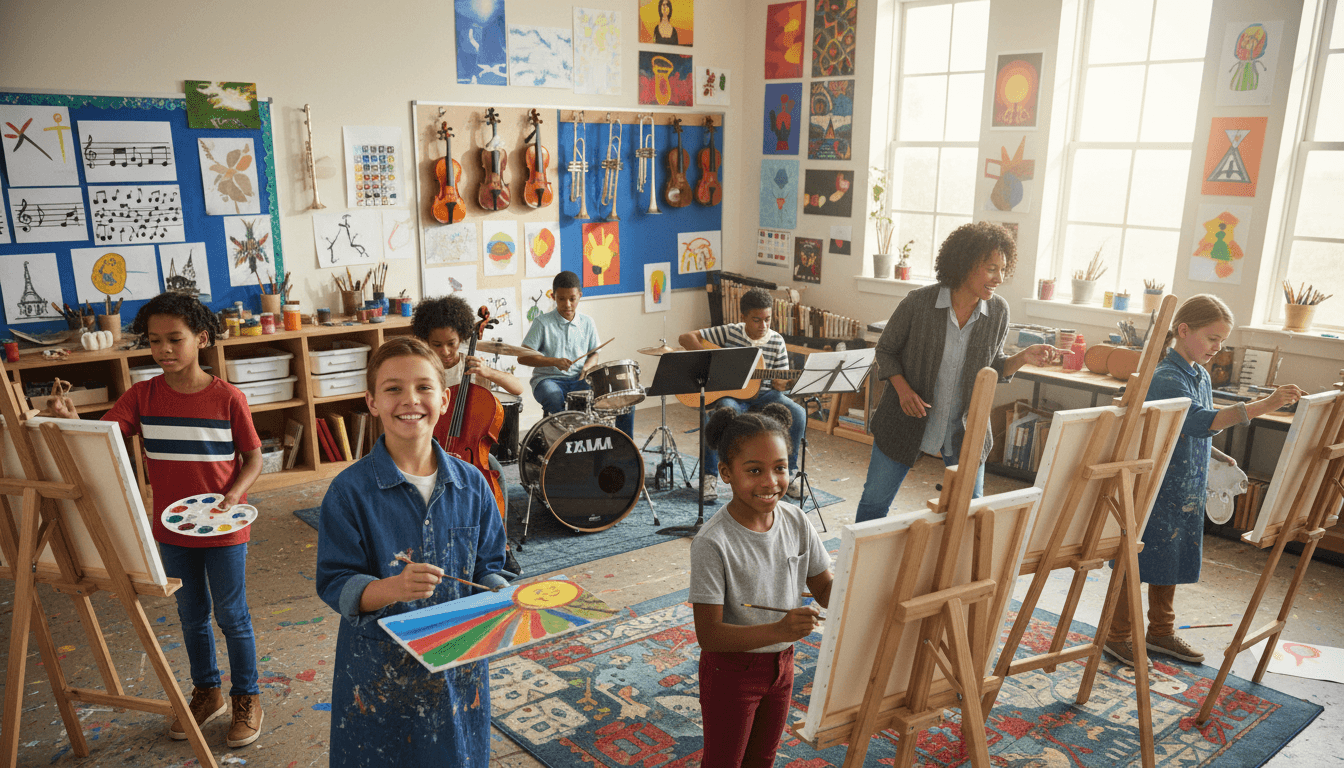
Creative Writing Class Newsletter for Parents
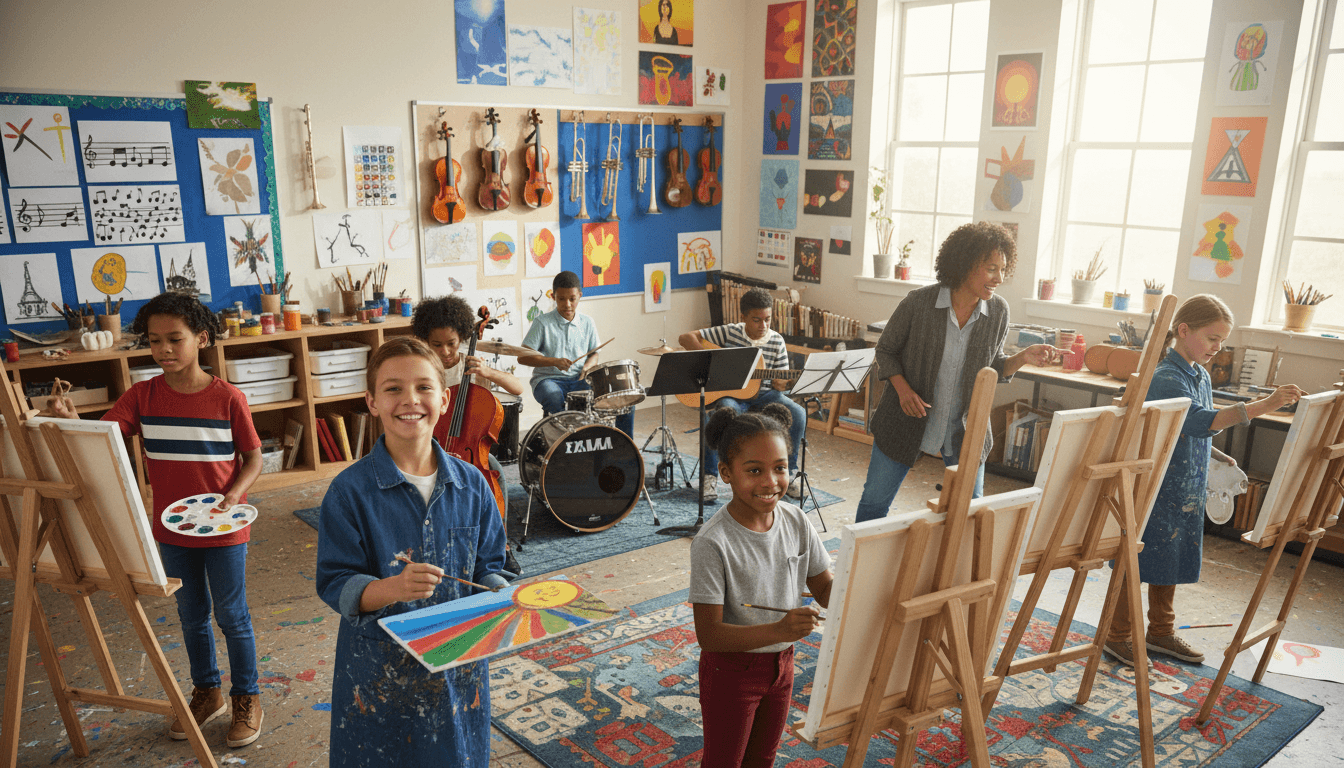
Creative writing class is one of the most personal classes in any school, and the one where family communication requires the most care. Students write about their lives, their fears, their questions. They write fiction that draws on real experience. Your newsletter should communicate what students are learning as writers without ever exposing what they wrote without permission.
What students are studying right now
Creative writing classes move through genre units: fiction, poetry, memoir, personal essay, drama. Each genre has specific craft elements that students are learning. Your newsletter should name the genre and describe the key craft focus.
"Students are currently working in poetry, specifically on the lyric essay form, which blends personal reflection with research and observation. This month's focus is on image: concrete, specific details that do the emotional work that abstract statements cannot. 'A red vinyl booth in a diner that smells like coffee and maple syrup' does more than 'a cozy breakfast place.' Students are learning to trust the specific."
The craft element section
Every newsletter should name one craft element students are working on and give families enough context to understand it.
- Voice: the personality on the page, the sense that a specific person is speaking. "Students are learning to identify and then cultivate their own voice: the word choices, rhythms, and patterns of thought that make their writing recognizable."
- Point of view: who is telling the story and what they can know and see. "First person sees everything through one character's eyes and knows only what that character knows. Third person limited can follow a character's thoughts without using 'I.' The choice shapes everything."
- Compression: saying more with fewer words. "Students are rewriting paragraphs into single sentences this week. The exercise forces decisions about what actually matters."
Handling personal writing with care
Students in creative writing classes sometimes write about family situations, personal struggles, or emotional experiences. Your newsletter should acknowledge this without being alarming.
"Creative writing sometimes moves into personal territory. I approach personal writing with care and read all student work with attention to both the craft and the writer. If I see anything in student writing that concerns me about student wellbeing, I follow the school's counseling protocol. Writing is often a healthy way to process experience, and I treat it as such."
Publication and public reading communication
If your school publishes a literary magazine or holds student readings, these deserve the same three-newsletter build-up as arts performances. A literary magazine release is a genuinely exciting event and families who receive advance communication appreciate it as one.
Supporting writers at home
"Keep a notebook near the dinner table. When something interesting happens, write one sentence about it before the day ends. Not a paragraph. One sentence with a specific detail. Reading widely in whatever genre your student enjoys is the second most valuable thing any writer can do. The most valuable is writing regularly."
Get one newsletter idea every week.
Free. For teachers. No spam.
Frequently asked questions
How often should a creative writing teacher send newsletters to families?
Monthly is appropriate. Supplement with targeted newsletters before any public reading, literary magazine submission deadline, or publication release. Literary magazine or reading events benefit from the same three-newsletter build-up as arts performances: announcement, logistics, and reminder.
What should a creative writing newsletter include?
Current genre unit with a brief description of what the form requires, one craft element students are studying (voice, point of view, imagery, structure), upcoming submissions or publication deadlines, public reading events, and one way families can support writing development at home. Avoid sharing specific student work without explicit student and family permission.
How do I explain what students are learning in a writing workshop to parents who see writing as a grammar exercise?
Distinguish craft from mechanics. 'This class is about making choices: what to include, what to leave out, whose perspective to tell from, what order events should go in. Grammar and mechanics are the editing step at the end. The skill we are developing is the decision-making that makes writing worth reading.' That distinction shifts perception quickly.
Can I share student writing in a newsletter?
Only with explicit written permission from the student and their parent or guardian. Creative writing is often personal, and students may have written about family situations, personal experiences, or difficult emotions. Even a brief quote from student work requires consent. If a student enthusiastically wants their work shared, get permission in writing.
Can Daystage support a creative writing teacher who wants to build anticipation for a literary magazine release or student reading?
Yes. Daystage is well suited for the three-newsletter event sequence: announcement with a teaser, logistics and submission window reminders, and the final event notice. Literary magazine releases in particular benefit from a teaser newsletter that builds interest without revealing content: 'This year's magazine includes work in five genres, four languages, and covers every grade level in the school.'

Adi Ackerman
Author
Adi Ackerman is a former classroom teacher and curriculum writer with 8 years in K-8 schools. She writes about school communication, parent engagement, and what actually works in real classrooms.
More for Arts & Music
Ready to send your first newsletter?
3 newsletters free. No credit card. First one ready in under 5 minutes.
Get started free