
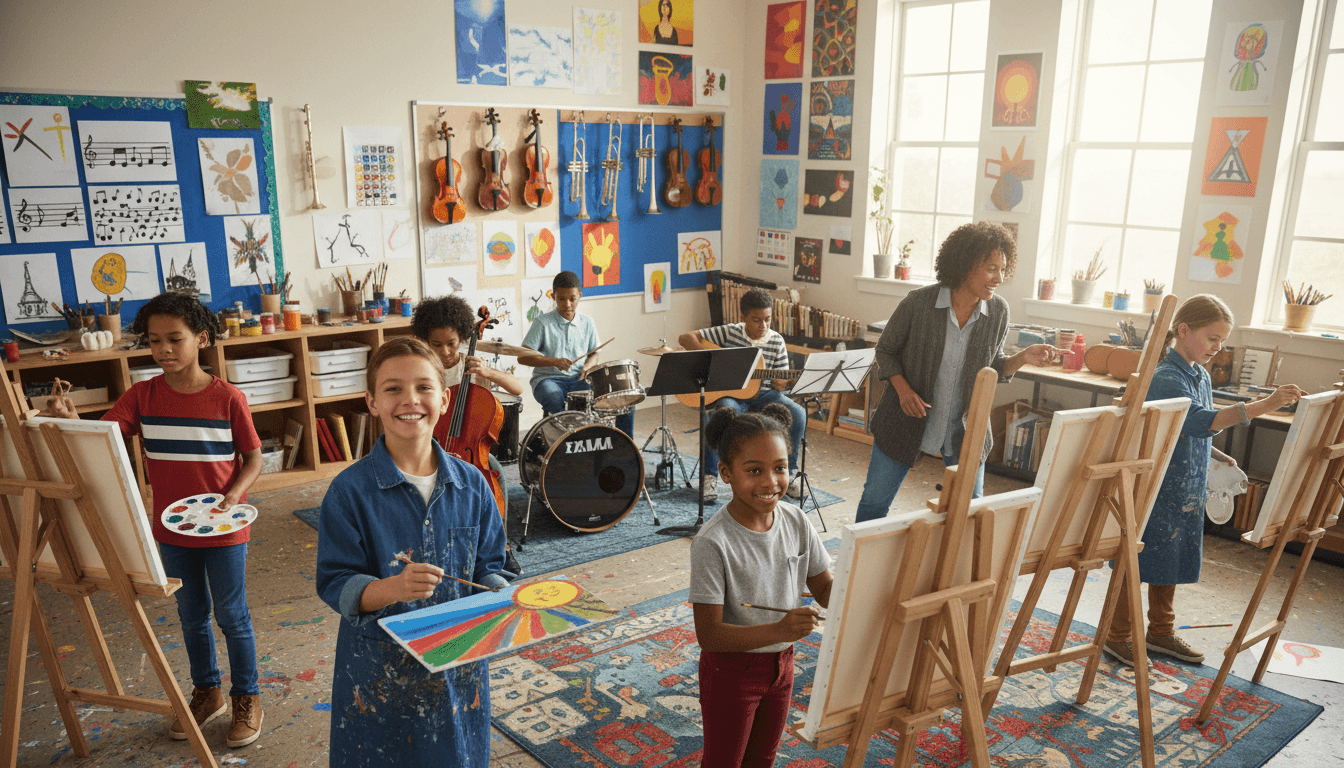
Arts Integration Newsletter for K-12 Families
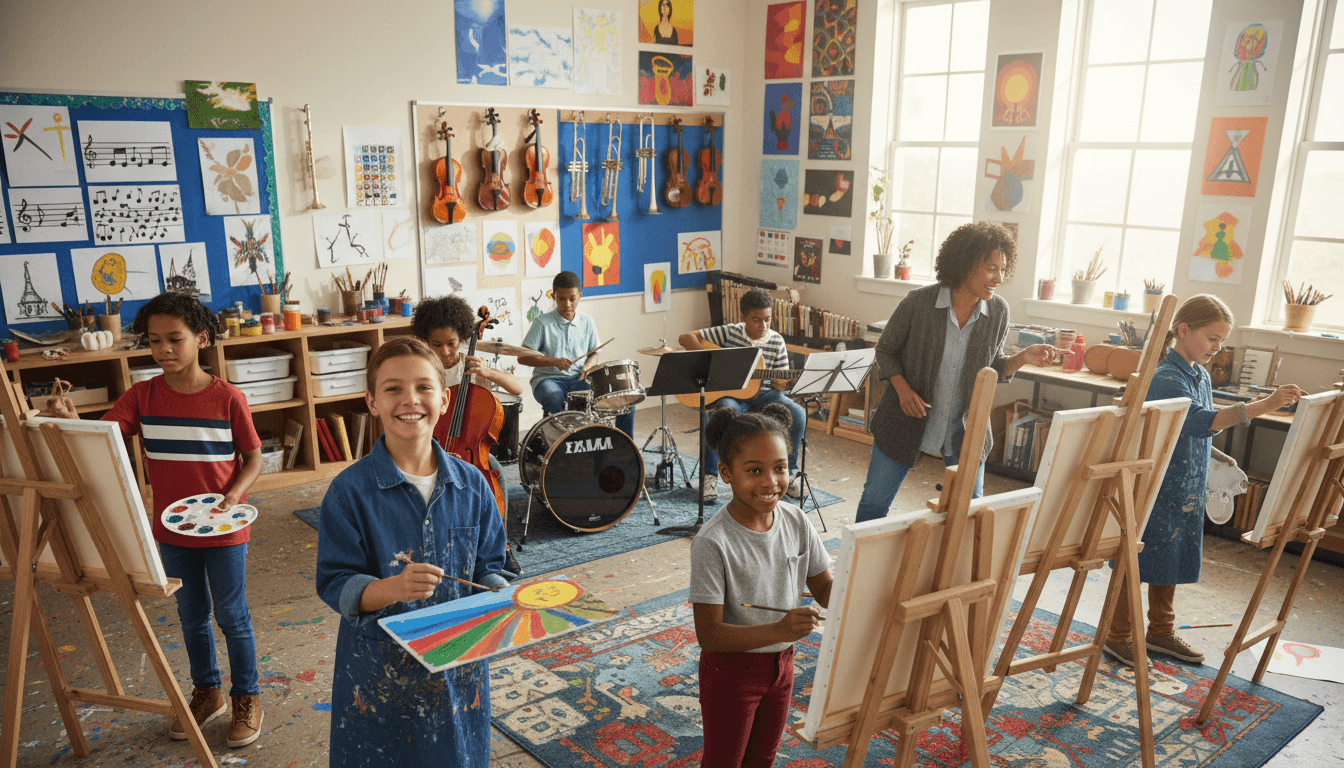
Arts integration is one of the most compelling approaches to learning in modern schools and one of the hardest to explain to families who did not experience it in their own education. A newsletter that describes what students are creating, why it serves the academic content, and what both the art and the academic learning look like makes the approach clear and builds family appreciation for an educational method that often produces exceptional student work.
Explaining arts integration
Your first arts integration newsletter for any family new to the approach should explain what it means. "Arts integration is a teaching approach where students learn academic content through and with an art form. Students are not just doing art after their social studies lesson. They are using the making of art as a way to understand and communicate the social studies content more deeply. Research suggests that students who learn through arts integration retain content longer and develop richer conceptual understanding."
Describing the current integrated project
Every newsletter about an active integration project should describe both the academic content and the art form clearly.
"Students are studying the water cycle in science and creating accordion-fold books that illustrate each phase. The illustration requirement forces students to understand each phase well enough to represent it visually, which is a deeper level of understanding than labeling a diagram. The books will be displayed in the science classroom and in the main hallway."
The dual assessment angle
Families in academic-focused schools sometimes worry that arts integration trades academic rigor for creative enjoyment. Address this directly. In a well-designed integration, both the art and the academic content are assessed.
"The civil rights era poetry project is assessed twice: once by the social studies teacher for historical accuracy and factual content, and once by the language arts teacher for craft elements including imagery, structure, and voice. Students must demonstrate mastery in both areas for the project to be considered complete."
The teacher collaboration piece
When arts integration involves a collaboration between an art or music specialist and a classroom teacher, families deserve to understand how that collaboration works. Who do they contact with questions? Who is assessing which part of the work?
Name the collaboration in your newsletter: "This project is a collaboration between our science teacher and our visual arts specialist. Students work with their science teacher for the content research and with the art specialist for the visual representation. Both teachers are available for questions."
Extending integration at home
Include one integration activity families can do at home. "Ask your student to draw the water cycle from memory without looking at their book. The act of drawing it again reinforces the science and gives you a window into what they understand." Free, connected to both the art and the science, and reveals student understanding to parents.
Get one newsletter idea every week.
Free. For teachers. No spam.
Frequently asked questions
How often should a school send an arts integration newsletter?
Monthly during any arts integration project, and at the beginning and end of each integration unit. Arts integration projects often span multiple weeks and involve multiple classrooms, and families who receive updates throughout the project understand what they are seeing when the work is displayed or performed.
What should an arts integration newsletter include?
The academic content being integrated with which art form, what students are creating and how it connects to the academic subject, the educational rationale for using art to explore that content, upcoming presentations or displays, and how families can continue the integration at home.
How do I explain the educational value of arts integration to parents who see arts as separate from academics?
Show the connection in both directions. 'Students are creating character monologues based on historical figures from the Civil Rights era. They have to research the figure accurately (history) and then make specific artistic choices about voice and perspective (drama). Both skills are being assessed.' The dual skill development is the argument.
What is the biggest challenge in arts integration newsletter communication?
Making it clear which teacher is responsible for which part of the project. Families often do not know whether to ask the art teacher or the classroom teacher when their student has a question. Your newsletter should name the collaboration explicitly: 'Students work with their classroom teacher for the research phase and with the art specialist for the construction and presentation phase.'
Does Daystage support sending a newsletter that serves both art specialist and classroom teacher communication?
Yes. Daystage makes it easy for multiple teachers to collaborate on a single newsletter or send coordinated newsletters to the same parent list. Arts integration projects that involve a classroom teacher and an arts specialist can use Daystage to ensure both audiences receive consistent information.

Adi Ackerman
Author
Adi Ackerman is a former classroom teacher and curriculum writer with 8 years in K-8 schools. She writes about school communication, parent engagement, and what actually works in real classrooms.
More for Arts & Music
Ready to send your first newsletter?
3 newsletters free. No credit card. First one ready in under 5 minutes.
Get started free