
Arts Competition Newsletter Guide for Teachers and Families
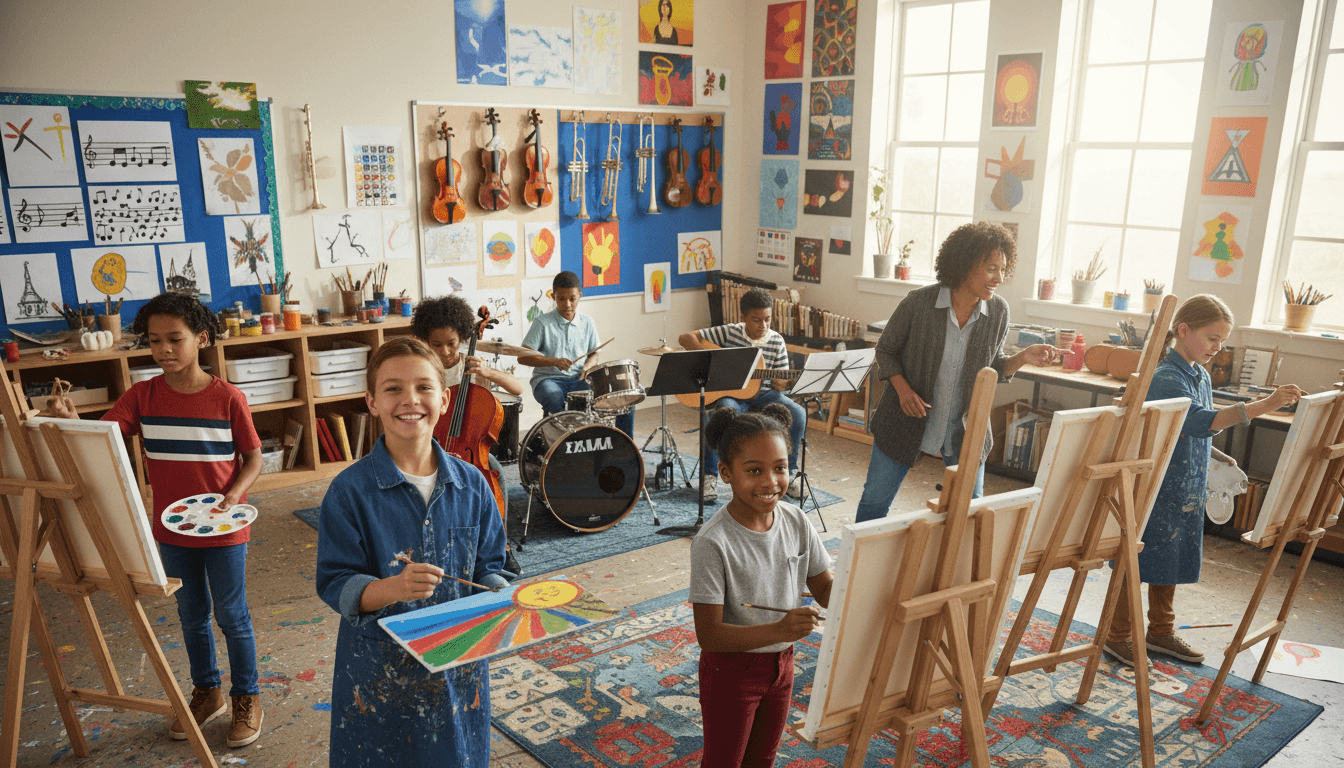
Arts competitions give students an experience that school assessments cannot: external feedback from professionals in the field, exposure to the work of peers from other schools, and the experience of preparing something for a real audience with real stakes. A newsletter that explains the competition and what it offers encourages participation and prepares families to support the process well.
Describe the competition and its credibility
Not all arts competitions are created equal. Tell families who organizes this competition, what its regional or national reach is, and who the adjudicators are. "This is a juried regional competition organized by the state arts council with judges who are working professional artists and art educators" tells a family something meaningful about the value of the feedback and the placement.
Explain the submission process
What students need to submit, in what format, by what deadline, and what you as the teacher review before submission. If families need to sign permission forms for work to be submitted, entered into a public exhibition, or shared online, say so and include the timeline for those forms.
Describe the selection process for school representation
If your school nominates or selects a limited number of works for external competition, explain how the selection is made. Teacher selection based on technical quality. Peer review. Open submission within defined criteria. Families who understand the process accept outcomes better than those who feel the process was opaque.
Frame competition results constructively
A result newsletter sent after competitions is one of the most important communication moments in the arts calendar. Celebrate placements. Acknowledge every participant by name if possible. Include something from the adjudicator feedback if it is constructive and shareable. "Our students were told that their technical execution was strong and their conceptual development showed real maturity" is more useful than just a placement number.
Use competition results to build program pride
A competition result newsletter that reaches all arts families, not just those of participating students, builds program pride and signals the standard of work being produced in the school's arts classes. It is one of the most effective advocacy tools an arts department has, and it requires no extra work beyond sending the results to a wider audience.
Get one newsletter idea every week.
Free. For teachers. No spam.
Frequently asked questions
What should an arts competition newsletter include?
The name and description of the competition, eligibility requirements, submission guidelines, deadlines, the selection process for who represents the school, and how families can support preparation without taking over the creative process.
How do you handle competition results in the newsletter?
Acknowledge every participant, celebrate placements specifically, and frame results in terms of growth rather than ranking alone. 'Our students received feedback from professional artists that will directly improve their work' is a more durable message than the placement itself.
Should all families receive the competition newsletter or only those of participating students?
An introductory competition newsletter can go to all arts families to generate interest and participation. Follow-up newsletters about preparation can be targeted to participating students' families.
How do you encourage students to participate in arts competitions without creating excessive pressure?
Frame participation as an opportunity for growth and external feedback, not as a high-stakes performance test. 'Competitions give students a chance to hear from judges outside the school and to see how their work compares to peers at the regional level' is less pressure-producing than emphasizing winning.
How does Daystage help arts teachers communicate about competitions?
Daystage lets arts teachers send competition deadline reminders, result announcements, and submission guidance directly to the families of participating students throughout the competition season.

Adi Ackerman
Author
Adi Ackerman is a former classroom teacher and curriculum writer with 8 years in K-8 schools. She writes about school communication, parent engagement, and what actually works in real classrooms.
More for Arts & Music
Ready to send your first newsletter?
3 newsletters free. No credit card. First one ready in under 5 minutes.
Get started free