
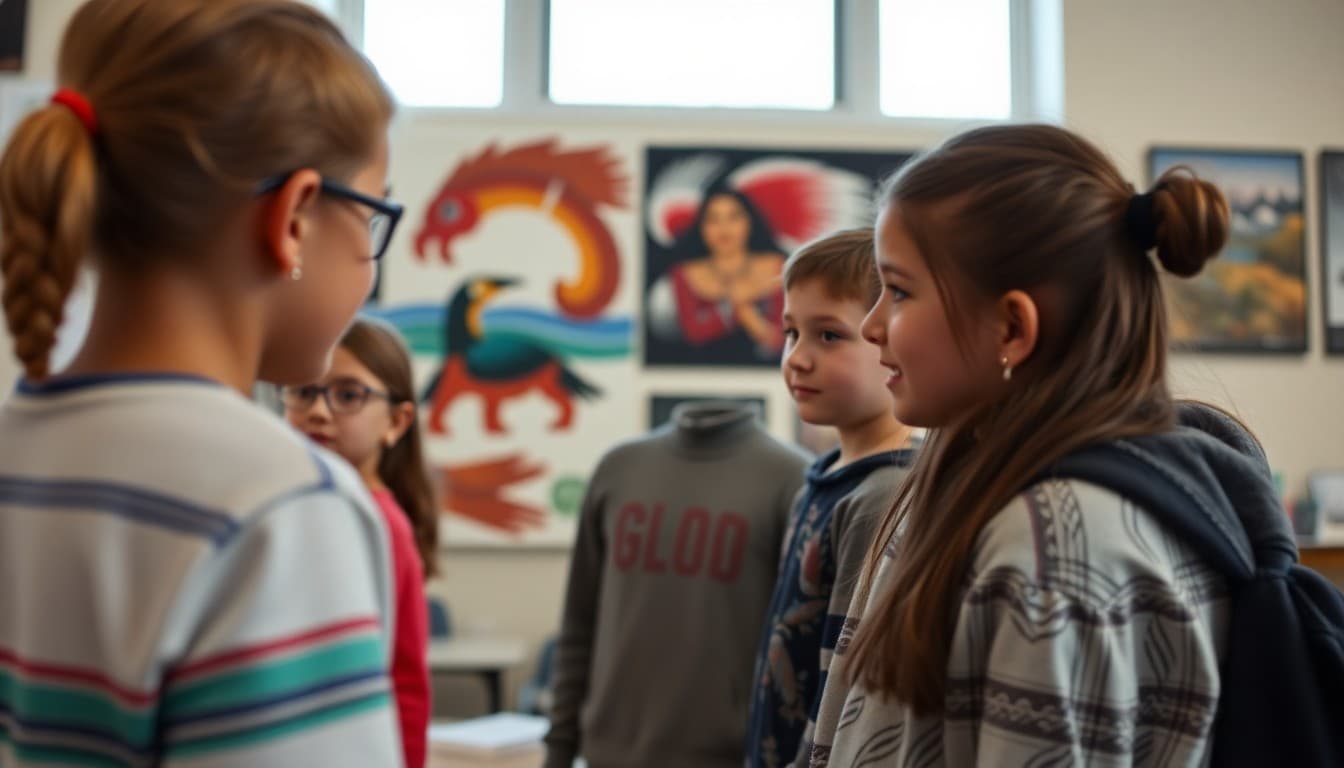
Alaska Arts Program Newsletter: Local Resources and Guide
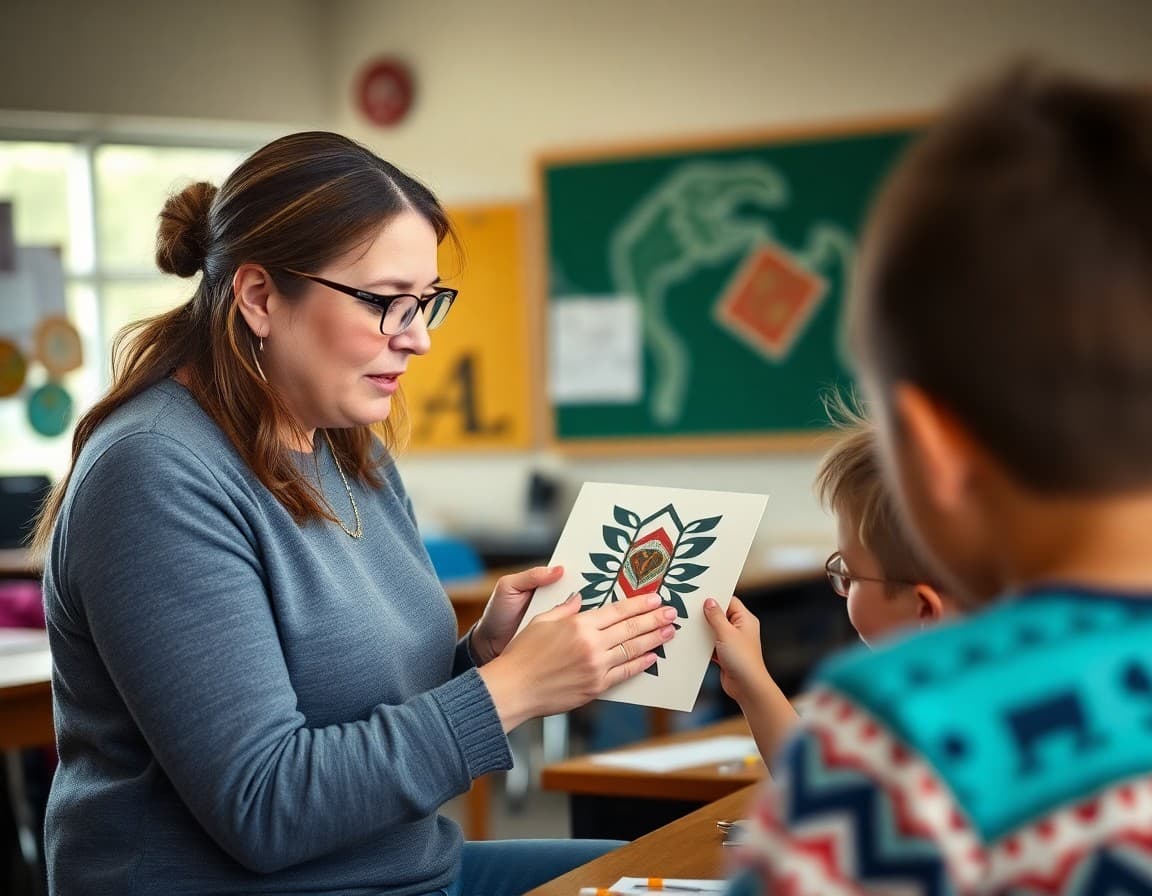
Alaska arts education operates at the intersection of some of the world's most complex indigenous artistic traditions and the practical challenges of teaching in one of the most geographically challenging states in the country. A newsletter that connects families to both the richness of Alaska's arts heritage and the concrete resources available to their child's arts program does work that no other communication can replicate.
Connect to the Alaska State Council on the Arts
The Alaska State Council on the Arts supports school programs through direct grants, artist-in-residence programs, and the Folk and Traditional Arts in Education initiative that connects students with Alaska Native master artists. Tell families what state resources the program is accessing and how those resources shape what students experience.
Honor Alaska Native arts traditions thoughtfully
Alaska's indigenous artistic traditions are among the most sophisticated in the world. Tlingit totem carving encodes clan history and oral tradition. Yup'ik dance regalia connects ceremony and community. Inupiaq ivory carving represents technical mastery developed over thousands of years. A newsletter that introduces these traditions to families, and explains the protocols the teacher follows when engaging with them, demonstrates respect and builds educational credibility.
Address remote community arts education specifically
For teachers in rural or remote Alaska communities, a newsletter is one of the most important communication tools available. Acknowledge the context directly: the geographic reality, the resources available, the connections the program maintains with state and regional arts organizations. Families in remote communities who see that the arts teacher is actively connecting the program to state resources feel supported even when in-person options are limited.
Use Alaska's landscape as curriculum context
The Alaska environment offers extraordinary material for arts education. Light at extreme latitudes, dramatic seasonal change, the visual language of tundra, glacier, and rainforest. A newsletter that names how the program uses the local environment as subject and inspiration gives families a sense of arts education that is specifically rooted in place.
Sample newsletter template excerpt
Dear Arts Families,
This month we are studying Northwest Coast design principles through the lens of Tlingit formline art. Our school has partnered with the local tribal cultural center to ensure this work is done respectfully. Students are learning the geometric vocabulary of the tradition: ovoid, u-form, and split-u shapes that encode meaning across the visual field.
For Alaska arts resources, the Alaska State Council on the Arts website at aksca.org lists community artists, grants, and education programs available to our school.
Share upcoming local arts events
Name the cultural events, performances, and community arts activities happening in your community. In rural Alaska communities, these may be subsistence celebrations, potlatches, or community gatherings with arts components. In urban centers, they include museum programs, theater performances, and gallery openings. Connecting arts education to community cultural life makes it real in a way classroom work alone cannot achieve.
Build family investment in the arts program
Alaska arts programs need family and community advocacy to maintain funding in the face of budget pressures. A newsletter that demonstrates the program's connection to Alaska's cultural identity, its use of state resources, and its value to student development gives families the information they need to advocate when it matters.
Get one newsletter idea every week.
Free. For teachers. No spam.
Frequently asked questions
What state arts resources are available for Alaska schools?
The Alaska State Council on the Arts supports school programs through grants, artist residency programs, and the Folk & Traditional Arts in Education program, which places Alaska Native artists in schools. The Anchorage Museum offers education programs. The Juneau-Douglas City Museum and cultural centers across Alaska support arts education. In remote communities, Alaska's distance learning programs ensure students in rural areas have access to arts education resources.
How do Alaska arts teachers incorporate Alaska Native arts traditions?
Alaska's indigenous cultures represent some of the most complex and historically rich artistic traditions in the world. Tlingit carving, Athabascan beadwork, Yup'ik dance, Inupiaq skin sewing, and Aleut basketry are all living art forms with specific cultural protocols around teaching and learning. Arts teachers who want to incorporate Native traditions should connect with local tribal cultural centers and Alaska Native community organizations to ensure the work is done respectfully and accurately.
What are the unique challenges of arts education in rural Alaska?
Many Alaska communities are accessible only by air or boat, which means arts teachers in remote villages face supply, professional development, and community engagement challenges that urban teachers do not. The Alaska State Council on the Arts specifically supports rural arts programming. Newsletter communication through platforms like Daystage is especially valuable in Alaska communities where in-person family engagement is harder to achieve.
How do you connect Alaska arts education to the state's environment and landscape?
Alaska's dramatic landscape, from the interior tundra to the coastal rainforest to the Arctic slope, provides an extraordinary visual and experiential environment for arts learning. Art teachers who use Alaska's natural environment as a subject and inspiration connect students to their specific place in a way that no imported curriculum can. Photography, landscape painting, and nature-based design are all natural fits for Alaska arts programs.
How does Daystage help Alaska arts teachers communicate with families?
Daystage is particularly valuable for Alaska arts teachers because it allows professional newsletter communication regardless of geographic isolation. Whether in Anchorage or a remote village, arts teachers can send polished, photo-rich newsletters to families through Daystage, maintaining the program's communication quality even in communities where in-person family events are limited.

Adi Ackerman
Author
Adi Ackerman is a former classroom teacher and curriculum writer with 8 years in K-8 schools. She writes about school communication, parent engagement, and what actually works in real classrooms.
More for Arts & Music
Ready to send your first newsletter?
3 newsletters free. No credit card. First one ready in under 5 minutes.
Get started free