
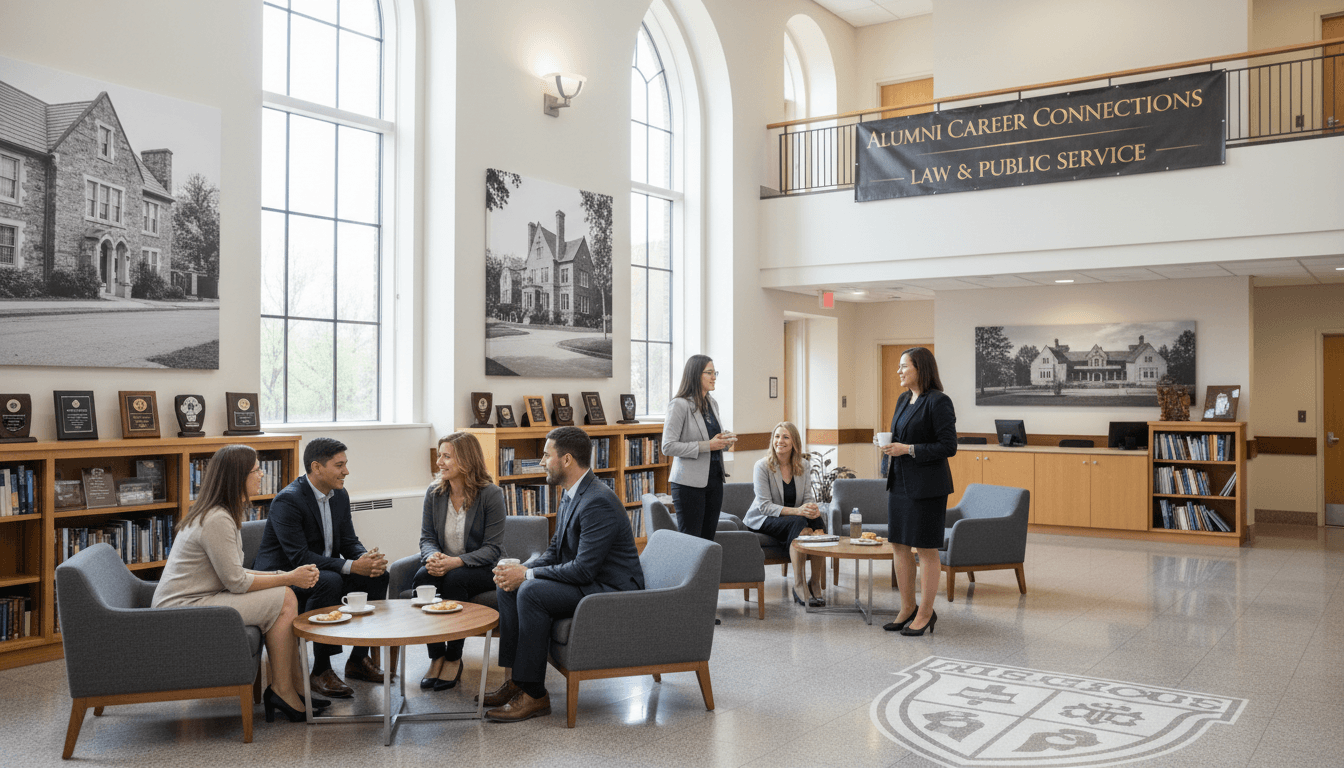
School Alumni Volunteer Newsletter: Give Your Time Back

Alumni volunteer programs fail when the ask is too vague, the commitment is unclear, or the logistics create more friction than the volunteer wants to navigate. They succeed when the newsletter is specific about what is needed, honest about the time required, and organized enough that alumni trust the experience will be worth their effort. Here is how to recruit and retain alumni volunteers through effective newsletter communication.
Match the Ask to the Alumni's Skills and Schedule
Alumni are more likely to volunteer when the role is a natural fit for what they already do professionally. A practicing attorney is much more likely to say yes to a 90-minute mock interview session with seniors than to a general "come help out" invitation. A retired teacher will respond to a request to sub for a lesson or guest-teach a unit more readily than to a vague volunteering appeal.
Before sending a volunteer newsletter, inventory the specific needs your school has and match them to the likely skills in your alumni population. Then write separate asks for each role rather than a single generic recruitment email. "We need alumni in healthcare to participate in career day" will outperform "we need volunteers for various school events."
State the Exact Time Commitment
Alumni decline vague volunteer asks because they do not know whether they are committing to one hour or one semester. Your newsletter should state the time commitment with surgical precision. "This is a two-hour commitment on a single afternoon" is a manageable ask. "Ongoing mentorship for the school year" is a significant commitment that requires more information before an alumnus can say yes.
For multi-session volunteer roles like mentorship programs, describe the full program structure: number of sessions, session length, scheduling flexibility, communication method (in-person, phone, email), and what happens if the alumnus needs to cancel or reschedule a session. Alumni who understand what they are agreeing to upfront feel respected, not pressured.
Describe the Impact, Not Just the Activity
A volunteer newsletter that only describes the task ("conduct mock interviews") is less motivating than one that connects the task to its impact ("help seniors feel prepared for their first real job interview so nerves do not sabotage months of preparation"). Alumni want to feel that their time accomplishes something specific.
Include a brief quote from a student who benefited from a previous volunteer program if you have one. "After my mock interview with an alumni volunteer last spring, I felt like I actually knew what to say. I got the job." That sentence does more recruitment work than three paragraphs about the program's structure.
Make the Sign-Up Process Zero-Friction
Every extra step between "I want to volunteer" and "I am registered" costs you a volunteer. Your newsletter should include a direct link to a sign-up form that takes under two minutes to complete: name, graduation year, email, phone, which volunteer role, and available dates or scheduling preferences.
Do not ask for a resume, references, or a detailed personal statement at the initial sign-up stage. Collect that information only if it is required for screening. The goal of the sign-up form is to capture intent; you can gather additional information in a follow-up email once you have their commitment.
Address the Background Check Process Head-On
Many alumni are willing to volunteer but get lost in the clearance process and give up before ever stepping foot in a classroom. Your newsletter should acknowledge the requirement and make the path as clear as possible: what clearances are needed, how to initiate the process (typically through the school office or online portal), how long it takes, and whether the school covers the cost.
Sample language: "All alumni working directly with students must complete a background check through [process name]. This takes about 15 minutes to apply and typically clears within 3-5 business days. The school covers the cost. Contact [name] at [email] and we will walk you through it." Remove the mystery and more alumni complete the process.
Include a Template for a Mentor Role Description
Here is a sample volunteer role description you can adapt for a mentorship program:
"Alumni Mentor, Spring Semester. Commitment: 6 one-hour sessions between February and May, scheduled at your convenience. Format: one-on-one with one junior or senior student. You will discuss your career path, help your mentee explore career options, and review their resume if they are job-seeking. All sessions can be conducted via video call if in-person is not possible. Sign up at [link] by January 15th. Questions: contact [name]."
That description gives alumni everything they need to say yes or no on the spot.
Close Every Volunteer Campaign With Visible Thanks
Send a post-program newsletter to your full alumni list that celebrates every volunteer by name (with their permission) and describes the impact. "This spring, 34 alumni gave over 200 hours to mentor, mock-interview, and teach at [School Name]. Here is what that looks like in practice." Then include 2-3 brief outcome snapshots.
Public recognition serves three purposes: it thanks current volunteers, it motivates future participation from alumni who see the names of peers they respect, and it builds your program's track record as something credible and impactful. Alumni who are not yet involved see what participation looks like and have a concrete model to follow.
Get one newsletter idea every week.
Free. For teachers. No spam.
Frequently asked questions
What are the most valuable ways alumni can volunteer for a school?
Career mentorship, college application assistance, guest teaching, mock interview practice, and classroom presentations are consistently among the highest-impact volunteer roles alumni fill. These activities leverage alumni expertise directly and give current students access to real-world knowledge and professional networks they could not otherwise tap. Beyond direct student engagement, alumni also volunteer for booster club events, fundraising, and alumni association administration.
How specific should volunteer role descriptions be in a newsletter?
Very specific. 'We need volunteers' produces almost no response. 'We need 15 alumni to conduct 30-minute mock interviews with seniors in May, all interviews happen at school between 3:00-5:30 PM on May 14th' produces responses. Include the time commitment, the date, the location, what the volunteer will actually do, and who to contact to sign up. Ambiguity is the enemy of volunteer recruitment.
How do we handle background checks and clearances for alumni volunteers?
Most schools require any adult who will work with students to pass a background check. Some districts have their own clearance process; others use state-level clearances. Your volunteer newsletter should acknowledge this requirement and either direct alumni to the school office to initiate the process or include the forms as a download. Alumni who want to volunteer but get stalled by unclear clearance requirements often give up, so make the path as clear as possible.
How do we retain volunteers who have already given their time?
The single most important retention tool is a personal thank-you from someone who was directly impacted. A handwritten note from a student, or a brief email from the teacher or counselor the volunteer worked with, does more than any formal recognition program. Follow up every volunteer event with a thank-you newsletter that includes a specific example of impact. Alumni who feel their time mattered come back.
Can Daystage help manage alumni volunteer recruitment newsletters?
Yes. Daystage lets you send targeted newsletters to alumni segments by skill or interest area, include a signup form link directly in the email, and track who clicked the volunteer sign-up so you know your response rate. You can also send automated thank-you emails after a volunteer event and schedule reminder emails for upcoming volunteer opportunities.

Adi Ackerman
Author
Adi Ackerman is a former classroom teacher and curriculum writer with 8 years in K-8 schools. She writes about school communication, parent engagement, and what actually works in real classrooms.
More for Alumni & Boosters
Ready to send your first newsletter?
3 newsletters free. No credit card. First one ready in under 5 minutes.
Get started free