
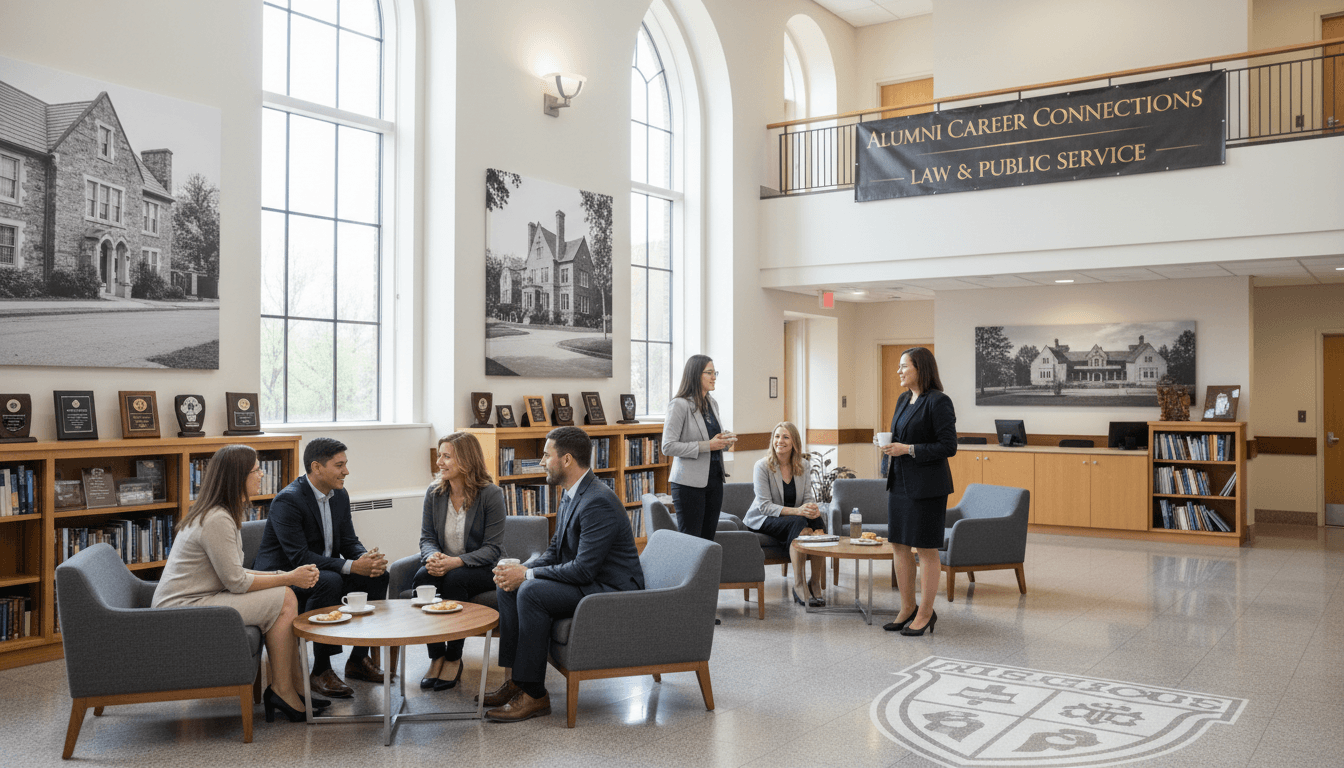
Alumni Career Day Newsletter: Giving Back to Students
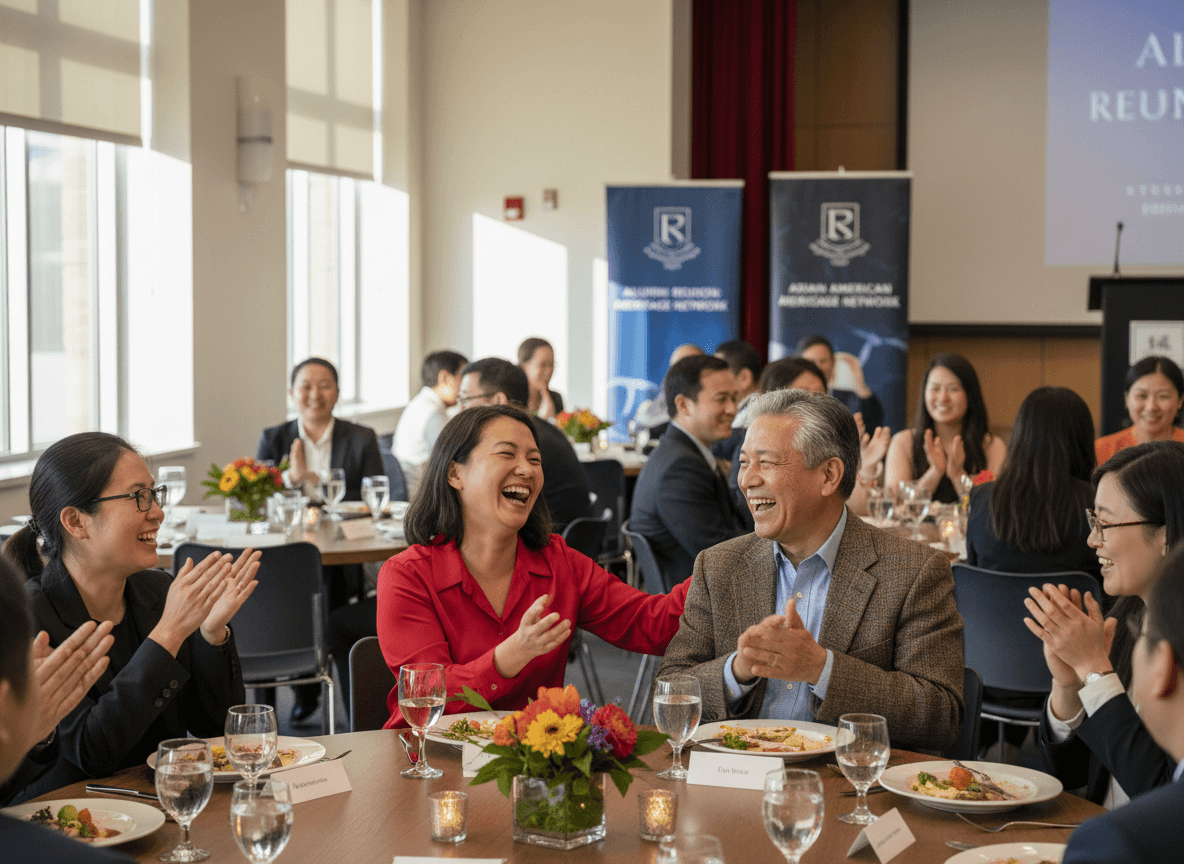
Alumni career day, done well, is one of the highest-impact events a school can run for students. A graduate who works in nursing showing up in scrubs and describing how they got from sophomore chemistry class to a hospital shift is more motivating than any career aptitude test. The newsletter work that makes it happen is straightforward if you start early and communicate clearly.
Start Recruiting Presenters Eight Weeks Out
The biggest risk for career day is not having enough presenters. Alumni are busy adults who need time to request a day off work, prepare their presentation, and arrange transportation. Eight weeks is the minimum lead time for a comfortable recruitment window.
Your outreach email to alumni should be short and specific. Tell them: this is a 45-60 minute commitment, it is on this specific date, students are sophomore and junior level, here is what a typical session looks like, and here is why your career matters to these students. A personal note from a school principal or department head adds weight to the ask.
Create a Diverse Presenter Roster Intentionally
Students benefit most from seeing people who look like them in a wide range of careers. Actively recruit alumni from trades, healthcare, arts, military, entrepreneurship, and public service alongside the more commonly represented fields of law, medicine, and finance. A plumber who runs their own business or a military veteran who became a teacher are often more revelatory for students than someone who took the most expected career path.
Aim for gender diversity, racial and ethnic diversity, and career diversity simultaneously. A roster of 12 presenters that skews heavily toward one demographic or one field misses the point of broadening student horizons.
Send Presenters a Clear Logistics Package
Two weeks before the event, send presenters a logistics email that covers: parking instructions, where to check in, their room assignment, their session time, what technology is available (projector, screen, whiteboard), and a point of contact number for day-of issues. Include a suggested session outline they can adapt.
Template outline for presenters: "15 min: Your path, from this school to where you are now. Be specific about decisions, detours, and surprises. 20 min: Open Q&A. Students will have prepared questions. Take whatever they ask. 10 min: Informal conversation. Students may approach you one-on-one."
Presenters who receive a clear structure perform much better than those given an open-ended "talk to students about your career for an hour."
Prepare Students With a Pre-Event Newsletter
The week before career day, send a student-facing newsletter with the presenter roster, brief bios of 2-3 sentences per presenter, and a list of suggested questions students can ask any presenter. Include the session schedule so students know which presenters they can attend and when to be where.
Suggested questions to include in the student newsletter: "What surprised you most about your career?" "What would you tell your sophomore-year self?" "What does a typical day look like?" "What skills do you use every day that you did not expect to need?" Students who arrive with questions turn a lecture into a conversation.
Manage the Day Logistics Carefully
On the day of the event, have a volunteer at the entrance to greet and direct presenters as they arrive. Provide name badges with their graduation year and career field so students immediately know who they are talking to. Have water and coffee available for presenters. If sessions run back-to-back, allow 10 minutes between for room turnover and student transitions.
Assign a student ambassador to each presenter for the duration of their session. This student greets the presenter, introduces them to the room, and manages the informal networking period. Students take this responsibility seriously and presenters appreciate having a point of contact rather than navigating the school alone.
Capture Highlights and Student Reactions
Have a volunteer take photos in each room during the sessions. These photos serve three purposes: they give you content for a follow-up newsletter, they document the event for institutional memory, and they serve as social proof for recruiting next year's presenters. An email with photos showing engaged students and animated alumni speakers is much more persuasive than a text-only ask.
If students are comfortable being quoted, collect 2-3 sentences from them about what they learned or which session surprised them. Include these in your post-event newsletter.
Send Thank You Newsletters to Presenters
Within 48 hours of the event, send every presenter a personal thank-you email. Include a photo from their session if you have one. Mention something specific about what they shared that resonated with students. This is not a form letter, it is a genuine acknowledgment.
Close the thank you with a light invitation: "We would love to have you back next year. If you know other alumni in your field who might want to participate, please pass along our contact information." Word-of-mouth from satisfied presenters is your best recruitment tool for the following year's event.
Get one newsletter idea every week.
Free. For teachers. No spam.
Frequently asked questions
How do we recruit alumni presenters for career day?
Send a direct email to your alumni list 6-8 weeks before the event with a specific ask: 45-60 minutes of their time, an outline of what the presentation format looks like, and why it matters to current students. Personal outreach from a school administrator or respected alumnus works better than a mass email blast. Target alumni in careers that students frequently ask about: healthcare, technology, trades, education, business, and creative fields.
How many alumni presenters do we need?
Plan for 8-15 presenters for a school of 400-800 students. With a rotation format where students choose 2-3 sessions, you need enough variety to fill student preferences and enough presenters to keep sessions at a manageable size of 15-25 students per room. Recruit 20% more than you need to account for last-minute cancellations.
What format works best for alumni career day sessions?
A 45-minute session with three parts works well: 15 minutes of presentation about their career path and current role, 20 minutes of Q&A with students, and 10 minutes of informal networking. Keep the sessions to 15-25 students for maximum engagement. Large auditorium panels with 200 students are less effective than smaller rooms where students feel comfortable asking questions.
How do we prepare students to get the most from career day?
Send a pre-event newsletter to students with the presenter roster, brief bios of each alumni speaker, and 3-5 suggested questions to think about in advance. Students who come with prepared questions have much more meaningful conversations than those who just sit and listen. Encouraging students to research the presenter's field in advance also signals respect to the alumni who give their time.
Can Daystage help with alumni career day newsletter coordination?
Yes. Daystage lets you send coordinated newsletters to your alumni presenter list (with session schedules and logistics) and a separate newsletter to students and families (with presenter bios and preparation tips). You can track who opened presenter logistics emails to identify non-responders and follow up before the event.

Adi Ackerman
Author
Adi Ackerman is a former classroom teacher and curriculum writer with 8 years in K-8 schools. She writes about school communication, parent engagement, and what actually works in real classrooms.
More for Alumni & Boosters
Ready to send your first newsletter?
3 newsletters free. No credit card. First one ready in under 5 minutes.
Get started free