

School Alumni Chapter Newsletter: Local Chapter Kickoff
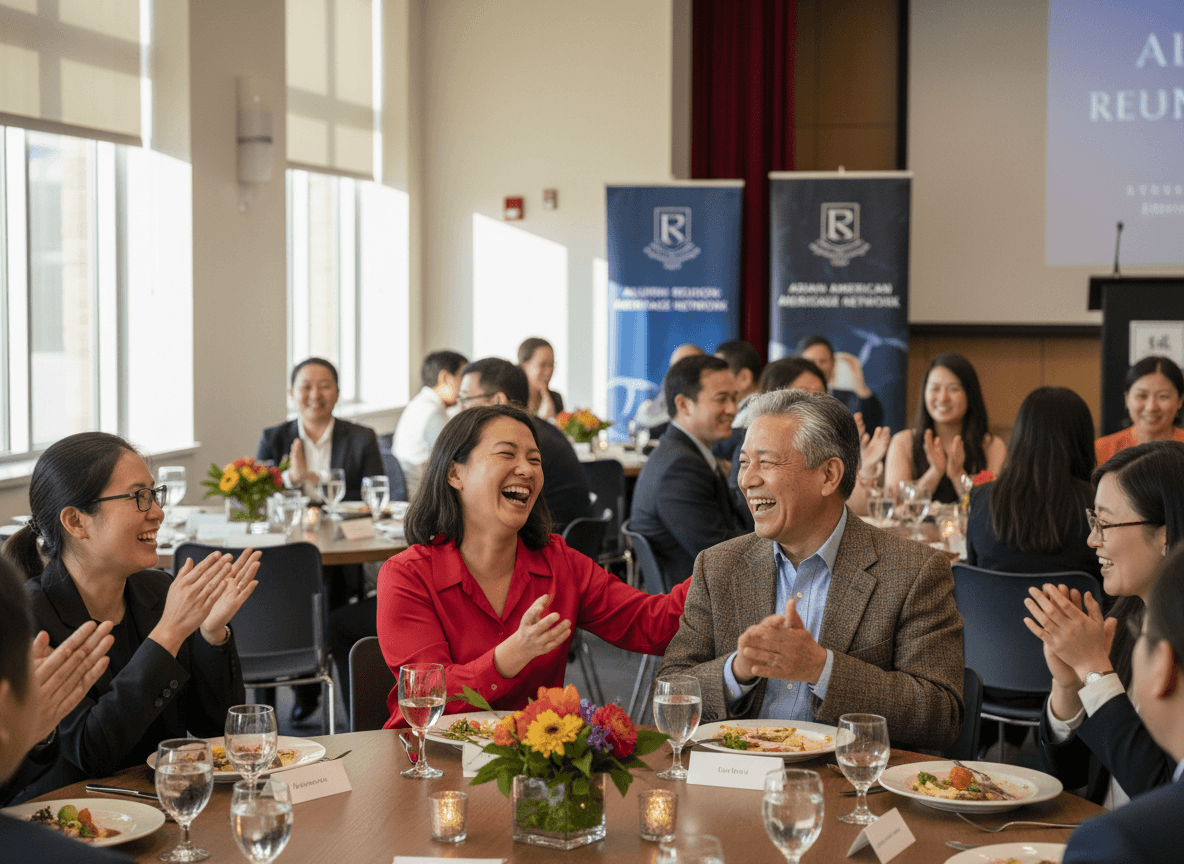
Launching a local alumni chapter turns a scattered community of graduates in the same city into an organized, mutually beneficial network. The newsletter that kicks it off needs to do three things: explain why this chapter exists, recruit founding members who will do real work, and get people to a first event before the energy dissipates. Here is how to build that launch campaign.
Identify Your Founding Members Before the Public Launch
The best chapter launches are not cold announcements to a general list. They start with 3-5 people who are already committed, have been personally recruited, and have agreed to play specific roles. Your founding group might include the person who had the idea, a well-connected local alumnus who brings contacts, and someone who can handle logistics.
Once your founding group is in place, your launch newsletter can credibly say "a group of [School] alumni in [City] are forming a local chapter" rather than "we are hoping someone will want to start a chapter." The difference in how those two messages land is significant.
The Launch Newsletter: Explain the Why
Your first chapter launch newsletter should open with the founding story. Why does this chapter exist? Usually it is because a group of alumni noticed that dozens or hundreds of school graduates live in the same metro area with no easy way to find each other. Make that observation explicit and personal.
Example opening: "There are over 300 [School] alumni in the [City] area. Until now, there has been no organized way for us to meet, support each other's careers, or stay connected to the school we came from. That changes today. A small group of us is forming the [City] Alumni Chapter, and we want you to be part of it from the start."
Be Specific About What the Chapter Will Do
Abstract promises about "community" and "connection" do not recruit members. Specific plans do. In your launch newsletter, describe the concrete activities your chapter intends to run in its first year: 3-4 casual social events, a professional networking happy hour, possibly a volunteer event. Tell people what membership looks like in practice.
Include the expected time commitment for regular members: roughly one event per quarter, optional involvement on a planning committee. Transparency about what you are asking for prevents the disappointment of people who sign up expecting to be passive subscribers and discover the chapter needs more from them.
Include a Clear Expression of Interest Action
Your launch newsletter should lead to one action: signing up to be notified about the chapter's activities and first event. Do not ask for a membership fee or a commitment level at this stage. Lower the barrier as far as possible. A simple form collecting name, graduation year, email, and "are you interested in helping organize?" is all you need.
In the weeks following the launch, personally email every person who expressed interest and invite them to your first kickoff event. This personal follow-up step is what separates a chapter launch that builds a real network from one that collects email addresses and then goes quiet.
Plan the First Kickoff Event Around Accessibility
Your first event should be in a casual, accessible venue. A private room at a local bar or restaurant, a shared workspace event room, or a school-affiliated venue in the city all work well. Charge nothing or a nominal amount to cover the room reservation. Set a specific RSVP deadline so you can plan catering or seating.
The agenda for a kickoff event is simple: introductions in a round-robin format (name, graduation year, what you do now), a brief explanation of the chapter's structure and what you are building, open discussion about what alumni want from the chapter, and 30-45 minutes of informal networking at the end. The informal networking at the end is the most valuable part.
Create a Founding Member Tier for Early Joiners
Launch energy fades. Create a reason for early participation by establishing a founding member status for anyone who joins in the chapter's first 90 days. Founding members get their name in the chapter's annual communication, a founding member badge on the chapter's online directory listing, and early access to any ticketed events before they open to the general alumni list.
These benefits cost you nothing to provide and create the psychological satisfaction of being "in from the start." Alumni who identify as founding members of something are far more likely to stay engaged long-term than those who joined later.
Set Up a Regular Communication Rhythm Immediately
A chapter that launches with a great first event and then goes silent for three months loses its momentum. Commit to a regular communication schedule from day one: a monthly newsletter covering chapter news and upcoming events, and an event-specific email series for each gathering. The communication schedule does not need to be elaborate, but it needs to be consistent.
Your chapter communications coordinator should plan a 12-month communication calendar during the founding phase: what events you will host, when they will be announced, and when newsletters go out. One planned event per quarter with 2-3 newsletter touches per event gives you a communication calendar that requires roughly 2-3 hours per month to execute.
Get one newsletter idea every week.
Free. For teachers. No spam.
Frequently asked questions
What is the minimum number of alumni needed to start a local chapter?
Most alumni associations consider 10-15 committed members sufficient to launch a functioning chapter. You need enough people to split organizing responsibilities, ensure events have a critical mass of attendees, and maintain momentum between events. A chapter that launches with 5 people and grows to 30 is stronger than one that launches with 30 who are barely engaged. Focus on finding a core group of 10-15 who will actively participate, not a large passive list.
What should the founding chapter newsletter include?
The launch newsletter needs to communicate the chapter's purpose, the city or region it serves, the first event details or kickoff meeting date, how to express interest or sign up, and who the founding contact is. Include a brief story about why this chapter exists now: a founding member who noticed there were no organized ways for local alumni to connect, or the school reaching a critical mass of graduates in that city. The why matters as much as the what.
How do alumni chapters typically stay organized and sustainable?
Sustainable chapters elect or appoint 3-5 officers: a president, a communications coordinator, an events coordinator, and optionally a treasurer and membership coordinator. They hold 2-4 organized events per year, maintain a local email list, and stay connected to the national or school-level alumni association for news and resources. Chapters that try to do too much in year one typically burn out key volunteers by year two.
What kinds of events work best for local alumni chapters?
The most successful local chapter events are casual and low-commitment: happy hours at a local bar, watch parties for major sports games, volunteer days at a local organization, or networking breakfasts for alumni in similar industries. The school sends a speaker or staff representative when visiting the area. Formal dinners and galas require more planning and have lower conversion from interested alumni to actual attendees.
Can Daystage help a local chapter manage its newsletters independently?
Yes. Each local chapter can maintain its own Daystage newsletter list with the chapter's local alumni. The chapter communications coordinator sends event invitations and updates directly from their account without needing to coordinate through the central school office every time. Consistent branded templates keep the chapter's communications connected to the school's identity.

Adi Ackerman
Author
Adi Ackerman is a former classroom teacher and curriculum writer with 8 years in K-8 schools. She writes about school communication, parent engagement, and what actually works in real classrooms.
More for Alumni & Boosters
Ready to send your first newsletter?
3 newsletters free. No credit card. First one ready in under 5 minutes.
Get started free