
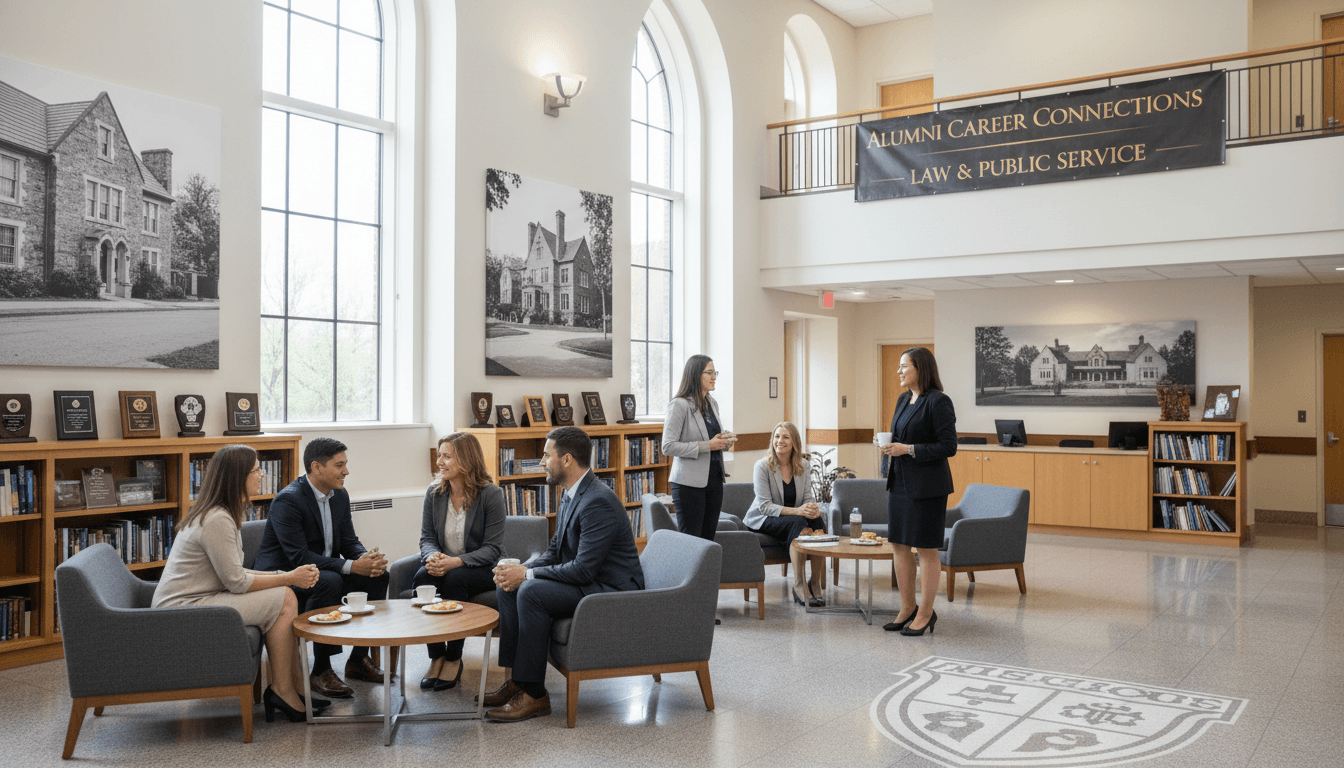
School Alumni Event Newsletter: Come Back and Connect
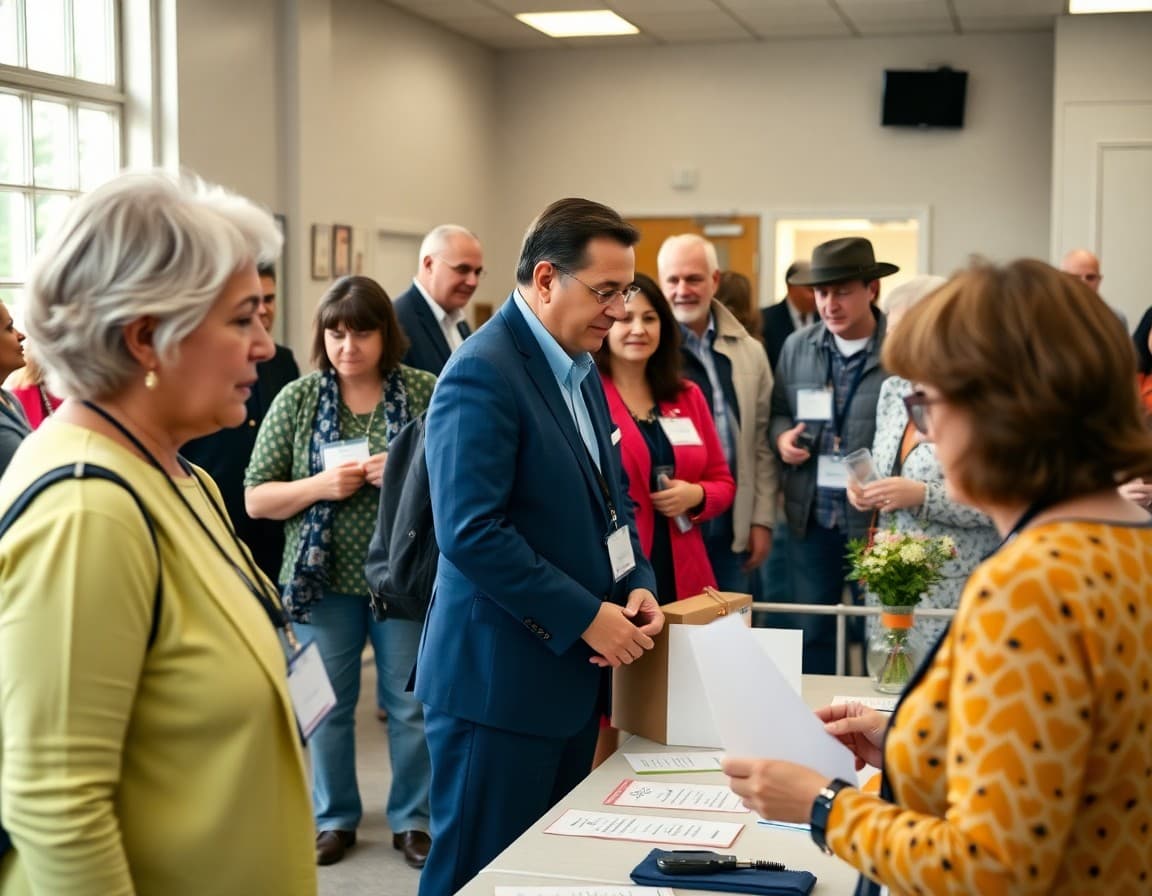
Alumni event newsletters fail most often because they arrive too late, leave out critical information, or ask people to RSVP without telling them what they are RSVPing for. The fix is straightforward: start early, be specific, and build a multi-email series that takes alumni from awareness to registration to attendance. Here is the complete playbook.
Choose Your Event Format Before Writing Anything
Alumni events cover a wide range: casual homecoming tailgates, formal multi-day reunions, campus open houses, class-specific gatherings, or virtual mixers for alumni who cannot travel. Your newsletter content depends entirely on which format you are running.
A campus open house needs parking info and tour schedules. A formal dinner needs dress code guidance and menu options. A virtual event needs platform access instructions and a tech-check reminder. Define your format first, then build your newsletter content around the logistics it creates.
The Save-the-Date Newsletter: Short and Sharp
Your first email, 8-12 weeks out, has one job: get the date on calendars. It does not need to include every detail. It needs the event name, the date and time, the general location (city, not necessarily street address yet), and a brief teaser of what to expect.
Template: "Save the date: [Event Name] is coming on [Date] at [Location]. This year we are celebrating [anniversary/milestone] and we want every graduate to be part of it. Full details and registration open in [X] weeks. Mark your calendar now." Under 60 words. One call to action: add to calendar.
The Formal Invitation: Every Detail Front-Loaded
Your second newsletter, 4-6 weeks out, includes everything. Date, time, address, parking, registration link, cost breakdown, dress code, event schedule, and contact information. A parent or alumnus who wants to commit should be able to do so from this single email without needing to visit a website or send a follow-up question.
Include a brief event description that makes the night feel worth attending: "Join us for a welcome reception at 6:00 PM followed by dinner at 7:00 PM, remarks from the principal, an alumni recognition program, and an optional campus tour beginning at 9:00 PM. This is the first time we have opened the renovated science wing to alumni." Specificity creates anticipation.
The Registration Reminder: Create Urgency
Two to three weeks out, send a reminder to everyone who opened the invitation but did not register. Subject line options: "Just checking you got this" or "[Event Name] is in 3 weeks, are you coming?" Keep the email short. One paragraph. Registration link in the first sentence and again at the end.
If you have a registration deadline (for catering, venue capacity, or printed name badges), name that deadline explicitly: "Registration closes October 15th so we can finalize headcount with the caterer." A specific deadline tied to a real reason converts better than a generic urgency message.
The Pre-Event Logistics Email: Remove Every Obstacle
Three to five days before the event, send a logistics email to registered attendees only. Cover: exact address with Google Maps link, parking instructions, what door to enter, where to pick up name badges, the event timeline for the night, and what to do if something changes last minute (cancellation contact, weather plan if outdoor). This is also when you remind attendees about dress code if applicable.
Include a personal note of anticipation: "We are so excited to see you on Friday. Your name badge will be waiting at the check-in table. See you soon." Small touches like this remind attendees they are expected and welcome, which increases actual show rates.
Make the Event Night Itself Worth the Newsletter Investment
The event experience determines whether your next invitation gets opened or deleted. Alumni who attend a thoughtfully organized event with genuine reconnection time tell others. Alumni who feel like they were herded through a program with no downtime for actual conversations do not come back.
Build in 45-60 minutes of unstructured social time. Organize the check-in by graduation decade so classmates naturally cluster near each other. Have a student ambassador present to give impromptu tours if alumni want to see the building. Designate one table or corner as a "photo drop-off" where people can leave old school photos to be scanned and added to the alumni archive.
Post-Event Recap: Extend the Experience
Within 72 hours, send a recap newsletter to everyone on your alumni list (not just attendees). Include event photos, a brief summary of what was announced or celebrated, a highlight from the program, and a note of thanks to everyone who attended, sponsored, or volunteered.
For alumni who could not attend, the recap creates FOMO that motivates future attendance. For those who did attend, it gives them something to share and a way to relive the night. End the recap with a hint at what comes next: "We will share news about next year's event and ongoing alumni programs in upcoming newsletters. Make sure you are on our list at [link]."
Get one newsletter idea every week.
Free. For teachers. No spam.
Frequently asked questions
How far in advance should we send the first alumni event newsletter?
Send your save-the-date newsletter 8-12 weeks before the event. Many alumni are professionals with families who need significant lead time to clear their schedules and make travel arrangements. Follow up with a formal invitation including full details 4-6 weeks out, a registration reminder 2-3 weeks out, and a final logistics email 3-5 days before the event.
What information must be in every alumni event newsletter?
Every alumni event newsletter must include the event name, date, time, and location with a street address. It should also include a registration or RSVP link, the cost per person if applicable, a brief description of what the event includes (dinner, program, tours, etc.), parking or transportation information, and a contact email or phone number for questions. Missing any of these creates avoidable friction that reduces RSVP rates.
How do we get alumni who have been out of touch for years to come back?
Personal outreach is more effective than mass emails for re-engaging lapsed alumni. Ask your most engaged alumni from each graduation decade to personally contact 5-10 classmates they know. A message from a former classmate saying 'I am going, you should come too' converts far better than any school email. Your newsletter sets the stage, but peer outreach closes the deal.
What makes an alumni event actually worth attending?
Alumni return for three things: seeing people from their era, seeing how the school has changed, and feeling that they made an impact on the place. The best alumni events include a structured campus tour with access to areas that have changed, a recognition moment for alumni milestones, and unstructured time for classmates to reconnect informally. A tight program with no free time for actual conversations is a missed opportunity.
How can Daystage support an alumni event newsletter campaign?
Daystage lets you manage the full multi-email campaign from a single platform: save-the-date, formal invitation, registration reminder, logistics email, and post-event recap. You can include an RSVP block directly in the email, track who has registered versus who has opened but not responded, and schedule reminder sends to non-responders automatically.

Adi Ackerman
Author
Adi Ackerman is a former classroom teacher and curriculum writer with 8 years in K-8 schools. She writes about school communication, parent engagement, and what actually works in real classrooms.
More for Alumni & Boosters
Ready to send your first newsletter?
3 newsletters free. No credit card. First one ready in under 5 minutes.
Get started free