
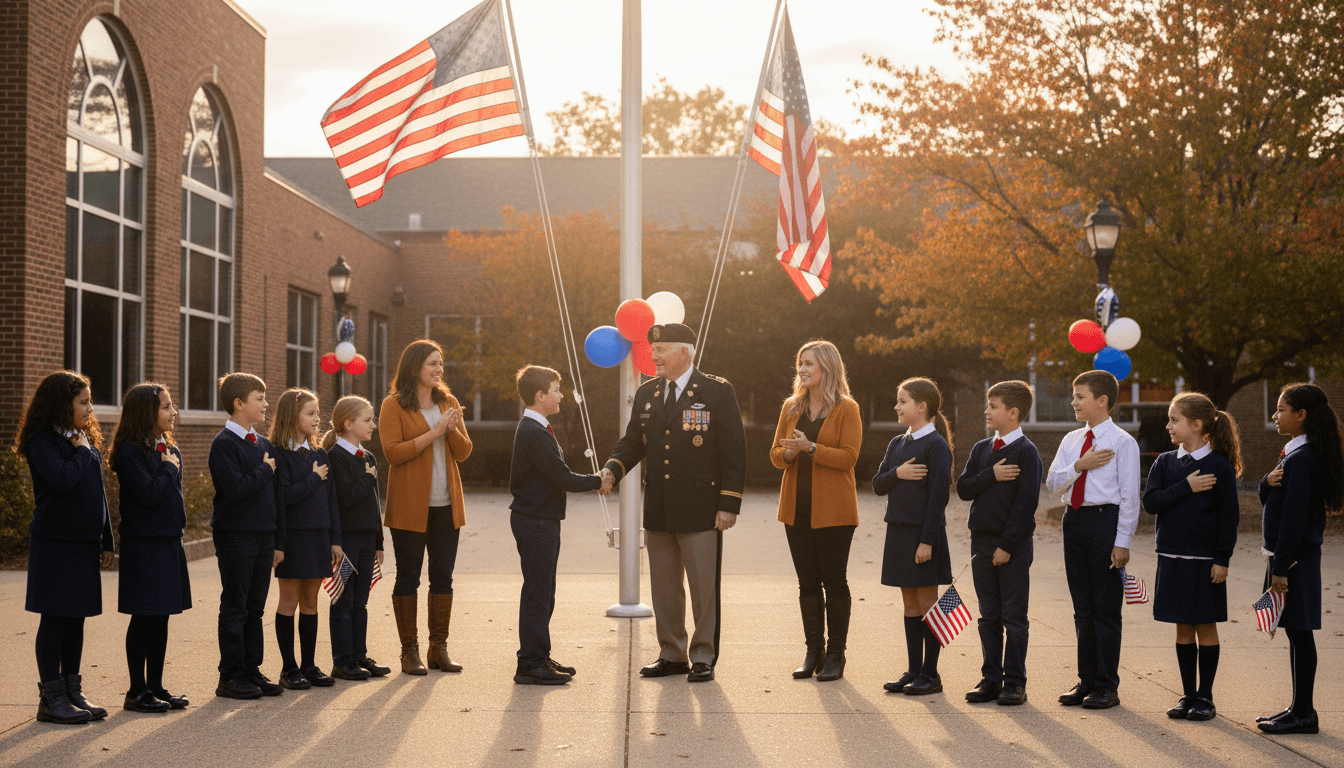
Veterans Day School Newsletter Template
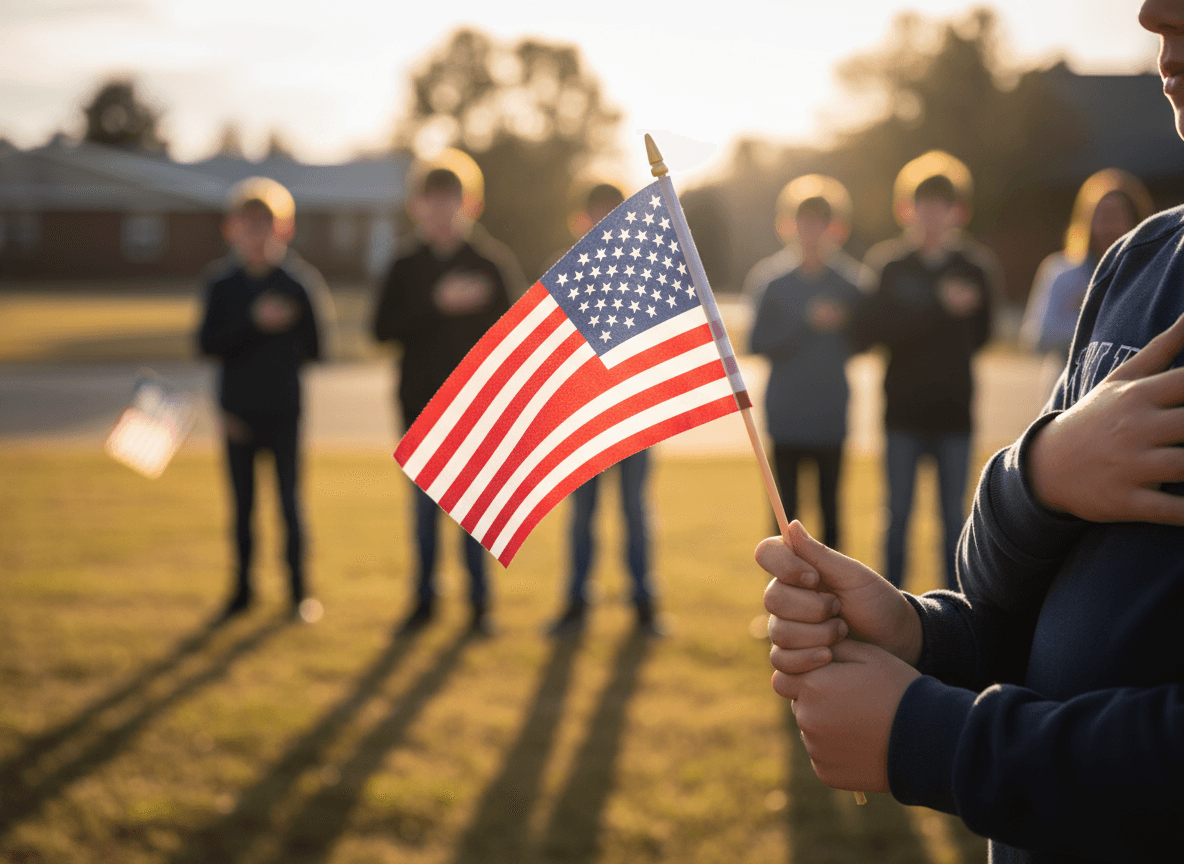
Veterans Day falls on November 11 every year. For schools, it is an opportunity to teach students about service, sacrifice, and citizenship, and to recognize the veterans in your own school community. A newsletter helps you communicate your plans, invite family participation, and give any families with veterans a chance to be part of the conversation.
This template covers what to include in a Veterans Day school newsletter, how to handle sensitive topics with care, and what to write for each section.
When to send
Send your Veterans Day newsletter one to two weeks before November 11. If your school is hosting an assembly or inviting veteran guests, families with relevant connections will want enough time to arrange participation. Early November is also a good moment because the November content calendar tends to fill up quickly with Thanksgiving-adjacent communication.
What to include
What your class is doing to mark the day. Activities, readings, writing projects, student presentations, or a school assembly. Be specific. "We will be talking about Veterans Day" tells families very little. "Students will be writing letters of gratitude to active-duty service members and learning about the difference between Veterans Day and Memorial Day" tells them something real.
An invitation to veterans in your community. If your school allows classroom visitors, extend an invitation through the newsletter. "If your family includes a veteran who would be willing to speak briefly with our class about their service, please let me know by [date]. We would be honored to have them." Keep the invitation open but structured. Knowing you need a response by a specific date helps families commit.
Age-appropriate context on what Veterans Day marks. A brief, clear explanation for families to use with their children. Veterans Day honors all who have served in the U.S. military, living and deceased. It is distinct from Memorial Day, which specifically honors those who died in service. This distinction trips up a lot of adults, and a newsletter that explains it clearly gives families something useful to share.
A way for all families to participate at home. Not all families have veterans. But all families can ask their child about what they learned, watch a documentary together, or visit a local memorial. Include one or two suggestions that work for every family, not just military families.
School schedule note. Is school in session on November 11? Is there a modified schedule or assembly? Families need to know if anything changes their morning routine.
Sample newsletter copy
Subject line: Veterans Day is November 11. here is what we have planned
Opening: "Veterans Day, observed on November 11, honors the men and women who have served in the United States military. This year, our class is spending time learning about what service means, who veterans are, and how we can express genuine gratitude in a way that goes beyond a single day."
What we are doing: "Students will be writing letters to active-duty service members through [organization name, if applicable]. We will also spend time discussing the difference between Veterans Day and Memorial Day, and sharing stories of veterans whose service changed the course of history. On November 11, we will have a brief classroom recognition moment."
Invitation for veterans: "If your family includes a veteran who would be willing to speak with our class about their experience, I would love to arrange that. A 10 to 15 minute visit makes a real impression on students. Please email me by [date] if you are interested."
At home: "A simple question for your child: Do you know anyone in our family who served in the military? Their answer might surprise you, and it gives me a chance to learn more about your family's history."
Tone considerations
Veterans Day touches on topics that carry deep personal meaning for some families and require age-appropriate care for younger students. The tone should be respectful and thoughtful, not patriotically performative. You are not writing a rally. You are inviting families into a conversation about history, service, and gratitude. That tone is warm and serious, not loud.
Some students have family members currently serving. Some have lost family members in conflict. Some come from families with complicated feelings about military service. Your newsletter should honor all of these perspectives by focusing on the human experience of service rather than political framing.
What to avoid
- Conflating Veterans Day with Memorial Day in your newsletter
- Assuming all families have positive associations with military service
- Framing the day in purely partisan or ideological terms
- Forgetting to include schedule information if November 11 affects the school day
- Sending the newsletter after the day has already passed
Using Daystage for November communication
November is one of the busiest months for school newsletters. You are often sending Veterans Day communication, Thanksgiving content, conference reminders, and first trimester updates within the same three-week window. Daystage lets you write and schedule each newsletter separately so they go out at the right moment without flooding families with multiple messages in a single week. Your Veterans Day newsletter can go out November 1, your conference reminder November 8, and your pre-break update November 20, each with proper spacing and timing.
Recognition that is real
Veterans Day is easy to reduce to a bulletin board and a morning announcement. A newsletter that invites real family participation, shares what students are actually learning, and creates space for veterans in your community to be recognized makes the day matter in a way a decoration never could.
Get one newsletter idea every week.
Free. For teachers. No spam.
Frequently asked questions
When should schools send a Veterans Day newsletter template?
Send it three to five days before November 11. Families who have veterans in their household appreciate knowing how the school is marking the day, and families with students who may share personal family stories benefit from knowing the classroom context beforehand.
What should a Veterans Day school newsletter include?
Cover what Veterans Day is and how it differs from Memorial Day, what your class is studying or doing to mark it, any school ceremony or assembly families can attend, and a note about how the teacher will handle personal family connections sensitively in the classroom.
How should teachers customize a Veterans Day newsletter template?
Add the specific veteran stories, branches of service, or historical contexts your class is learning about. If your class is writing letters to veterans or inviting a family member to share their experience, describe that activity so families can help their child prepare.
What makes a school newsletter template ineffective for Veterans Day?
Treating Veterans Day as only a school closure note misses an opportunity to honor the day with substance. A brief note about what students are learning and why it matters is more respectful than a schedule reminder with a flag emoji.
Where can teachers find a good Veterans Day newsletter template?
Daystage has holiday newsletter templates including Veterans Day, with a structure that covers classroom learning activities and ceremony information alongside the schedule logistics families need.

Adi Ackerman
Author
Adi Ackerman is a former classroom teacher and curriculum writer with 8 years in K-8 schools. She writes about school communication, parent engagement, and what actually works in real classrooms.
More for Templates
Ready to send your first newsletter?
3 newsletters free. No credit card. First one ready in under 5 minutes.
Get started free