
Two-Section School Newsletter Template: Simple Structure, Complete Communication

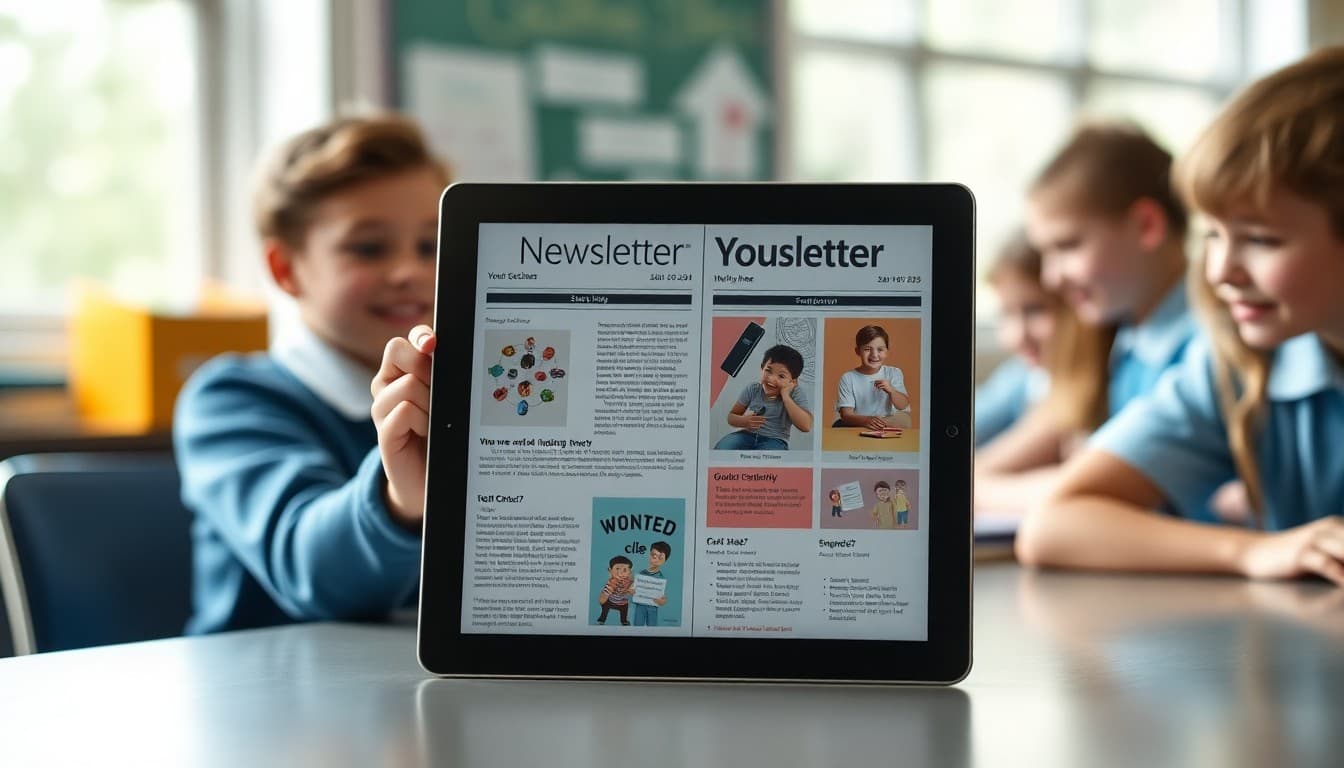
The two-section school newsletter is the most reusable, sustainable newsletter format for most classroom teachers. One section covers logistics and action items. One section covers learning. Families know exactly where to look for what they need. The teacher knows exactly what goes where. The format is consistent enough to build a reading habit and flexible enough to accommodate any week's content. This newsletter covers how to build and maintain it.
Section one: logistics and what families need to do
The first section covers everything that requires a family response or action. Upcoming deadlines, supplies to bring, forms to return, events to attend, schedule changes, and any logistical information families need to act on. Use bullet points starting with verbs. Date every item that has a deadline. Keep this section to five bullets or fewer. A logistics section that tries to include everything is indistinguishable from a logistics section that is disorganized.
What makes a good logistics item
A logistics item has three parts: the action, the specific details, and the deadline. "Return the signed permission slip for the May 3 field trip by Wednesday, April 28" has all three. "Field trip information was sent home" has none of them. Every item in the logistics section should tell families exactly what to do, what it is for, and when it needs to happen.
Section two: what students are learning
The second section covers the academic and classroom life content that families value but do not necessarily need to act on immediately. What unit are students in. What skills are being developed. What project is in progress. What book the class is reading. What the teacher has noticed this week that is worth sharing. Two to four brief observations or paragraphs. Parents who care deeply about academic content read this section closely. Parents who primarily want logistical information skip it without missing what they came for.

The visual separation: section headers matter
The two-section format only works if the sections are visually distinguishable. A bold header for each section, a visual divider between them, or a color differentiation that readers can see at a glance makes the structure legible to scanners. Families who primarily want logistics should be able to find the logistics section in under three seconds. Families who want learning updates should be able to skip to that section just as quickly.
The consistent cadence: same format, same day
A two-section newsletter sent every Monday morning at the same time builds a reading habit that a newsletter sent whenever there is enough to say does not. Families who know the newsletter arrives Monday morning will look for it. Families who are not sure when or whether a newsletter will arrive eventually stop looking. The format and the schedule together build the engagement that makes the newsletter worth producing.
What does not belong in a two-section newsletter
A two-section newsletter has no room for a third section of general interest news, philosophical reflections on education, or content that fits neither logistics nor learning. If something does not belong in section one or section two, it either does not belong in this newsletter or it belongs in a special edition for content that requires more space. The constraint of two sections is what makes the format work. Resist the temptation to add a third.
Get one newsletter idea every week.
Free. For teachers. No spam.
Frequently asked questions
What are the two sections in a two-section school newsletter template?
The most effective two-section structure divides the newsletter into what families need to do or know right now (logistics, action items, upcoming dates) and what is happening in learning (curriculum, skills, classroom culture). The first section answers the question "what do I need to do?" The second answers "what is my child learning?" These are the two questions families most consistently want answered.
Why does a two-section structure improve newsletter readability?
Because different families have different priorities. Some families read the newsletter primarily for logistical information: deadlines, events, supplies. Others read it primarily for learning updates: what is being taught, how their child is progressing. A two-section structure gives each audience a clear destination without requiring them to search through the entire newsletter for their primary interest.
How long should each section be in a two-section school newsletter?
The logistics section should be 75 to 100 words at most, using bullet points for action items and dates. The learning section can run 100 to 150 words, using brief paragraphs or bullets to describe what students are working on. Total newsletter length under 250 words is a reasonable target for a weekly edition. Longer is appropriate for back-to-school editions or major announcements.
What should the section headings be called in a two-section newsletter?
Clear, direct names that communicate exactly what each section contains. "This Week" and "What We're Learning" work well. So do "Action Items" and "Classroom News." Avoid overly creative or cute section titles that require readers to figure out what they contain. The goal is effortless navigation, not clever branding.
How does Daystage help teachers maintain a consistent two-section newsletter structure?
Daystage provides newsletter templates that teachers can set up once and reuse each week. A two-section template in Daystage means the structure is already in place every time the teacher opens the editor, and they only need to update the content of each section. That production efficiency is what makes weekly newsletters sustainable rather than aspirational.

Adi Ackerman
Author
Adi Ackerman is a former classroom teacher and curriculum writer with 8 years in K-8 schools. She writes about school communication, parent engagement, and what actually works in real classrooms.
More for Templates
Ready to send your first newsletter?
3 newsletters free. No credit card. First one ready in under 5 minutes.
Get started free