
Presidents' Day Classroom Newsletter Template
Presidents' Day falls on the third Monday of February every year. For most schools it means a day off, a long weekend, and a brief window in the classroom beforehand to talk about why. A focused newsletter helps you communicate what your class is learning about American history and leadership, remind families about the schedule change, and give students something to carry into the weekend.
This is not a newsletter that needs to be long. It needs to be clear and timed well.
When to send
Send your Presidents' Day newsletter the Thursday or Friday the week before the holiday. Families need the schedule reminder close enough to the day that it actually lands. Sending it two weeks early means it will be forgotten. Sending it the day before means families who needed to arrange childcare did not get enough notice.
What to include
A school schedule reminder. The most important thing in any holiday newsletter is the logistics. Which day is school closed? When does school resume? Any modified schedule leading up to the holiday? Put this first. Families read newsletters for information they need to act on, and a schedule change tops that list.
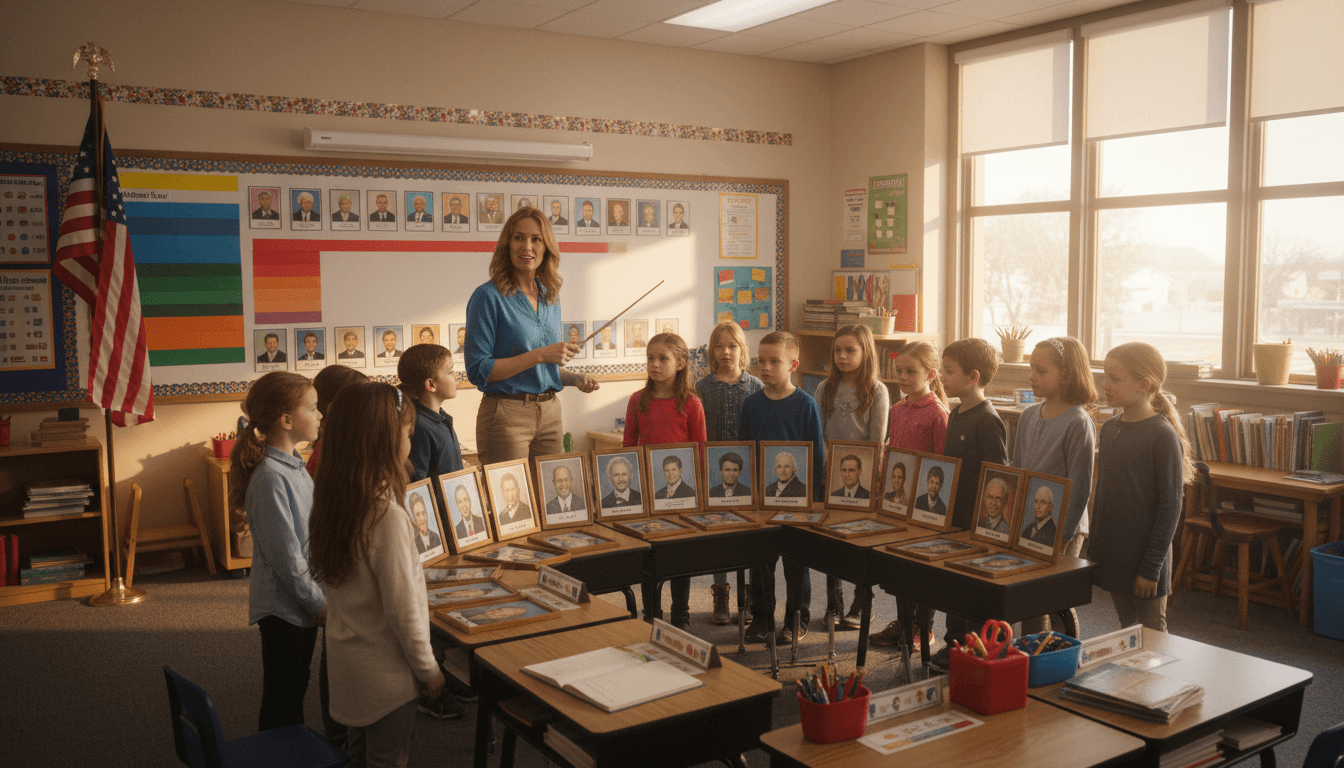
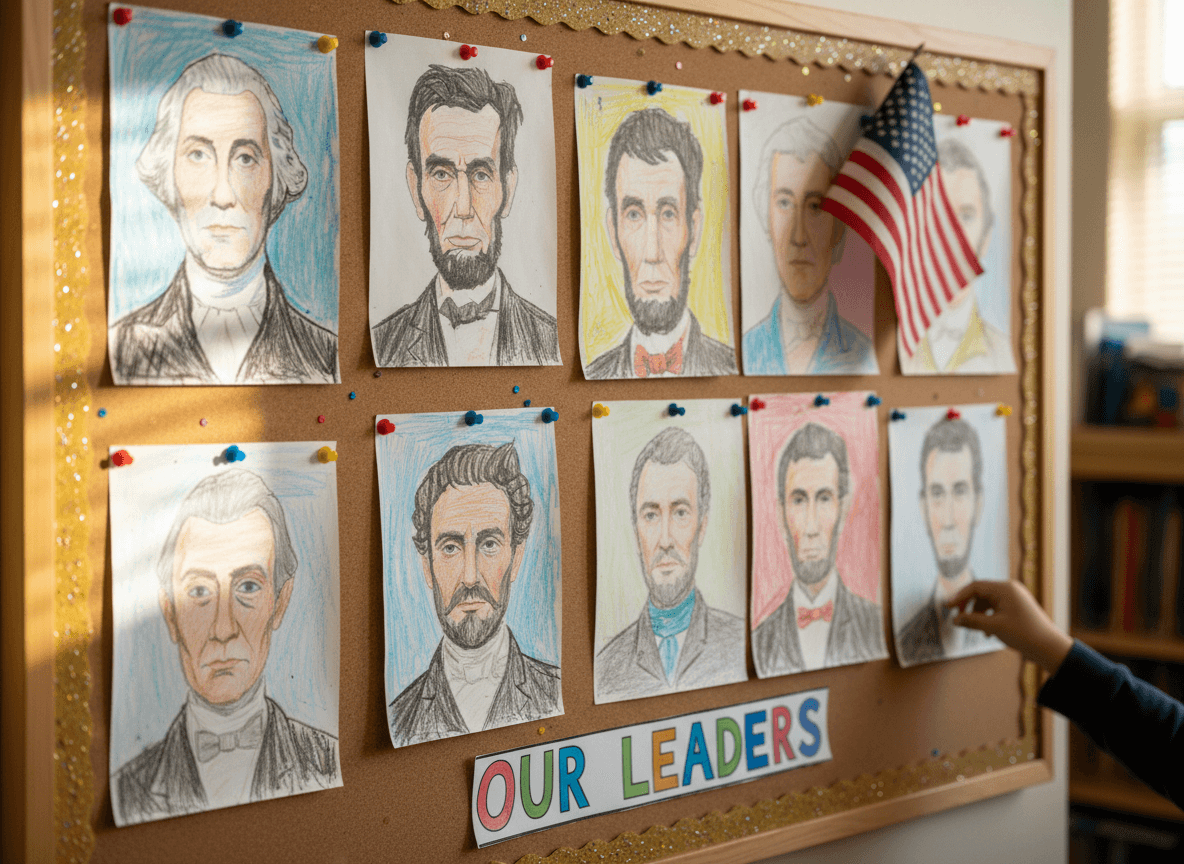
What you are teaching in the lead-up. Presidents' Day offers a natural opening for American history, civic leadership, primary sources, and biography. What specifically is your class doing? A research project on a president students choose themselves? A comparison of Washington and Lincoln? A discussion of what makes a leader? Name the activity and the approximate time you are spending on it.
A conversation starter for the long weekend. Not an assignment. One question or topic families can explore over three days. "Ask your child who they researched and what surprised them about that president" is enough. You are giving families an entry point into the week's learning, not creating homework on a holiday weekend.
Optional: one interesting fact or observation. Presidents' Day started as Washington's Birthday and was officially signed into law by Congress in 1879. Most states now extend the observance to all U.S. presidents. A quick interesting detail in your newsletter makes families feel like they learned something, which builds the reputation of your classroom communication as worth reading.
Sample newsletter copy
Subject line: No school Monday, February [date]. Presidents' Day
Opening: "A quick reminder: Monday, February [date] is Presidents' Day and there is no school. We will be back in class on Tuesday, February [date]."
What we are learning: "This week in class, we are talking about presidential leadership and American history. Students are researching a president of their choice, looking at both the historical context they worked in and the decisions they made. We will be sharing what we found on [day] before the long weekend."
For the weekend: "Over the long weekend, ask your child which president they researched and one thing that surprised them. These conversations at home reinforce what students learn in class and give them a chance to share what they know. There is no written assignment due."
A quick note: "Presidents' Day was originally established to celebrate George Washington's birthday, which falls on February 22. It has since expanded into a broader recognition of all U.S. presidents. It is also, historically, a big day for mattress sales."
Tone for Presidents' Day newsletters
Light and informative. Presidents' Day is not a high-stakes cultural observance. The tone can be a little warm and even slightly playful. Families will appreciate a newsletter that gives them the schedule reminder they need plus something interesting to think about, without reading like a formal school document.
What to avoid
- Forgetting to include the actual date school is closed
- Sending the newsletter too early or too late for the schedule reminder to be useful
- Turning the newsletter into an assignment for the long weekend
- Covering so many presidents at once that no single one is actually explored
February context
February is a complicated month for newsletters. You are often sending Presidents' Day communication around the same time as Valentine's Day content, Black History Month updates, and mid-winter progress reports. Each of these has a different tone and a different purpose. Keep your Presidents' Day newsletter brief and focused so it does not get lost in the February communication stack.
Using Daystage for holiday newsletters
Daystage lets you schedule holiday newsletters in advance. You can write your Presidents' Day newsletter at the start of February, set it to send on the Thursday before the long weekend, and not think about it again. The platform tracks whether families are opening your newsletters, so you know if your communication is reaching the people who most need the schedule reminder.
The day off that teaches something
A Presidents' Day newsletter that connects the holiday to real classroom learning turns a schedule reminder into something more useful. Families who understand what their child studied in the lead-up to the day are better positioned to keep the conversation going over the long weekend. That connection, built through a single well-timed newsletter, is what separates classroom communication that matters from communication that gets scrolled past.
Get one newsletter idea every week.
Free. For teachers. No spam.
Frequently asked questions
When should schools send a Presidents Day newsletter template?
Send it three to five days before the holiday, which falls on the third Monday of February. Families need the school closure date confirmed, and a brief note about what your class is studying gives the day more meaning than a day off alone.
What should a Presidents Day classroom newsletter include?
Cover the school closure date, what your class is studying in connection to Presidents Day including specific presidents or historical themes, any classroom activities before the break, and an optional suggestion for families who want to extend the learning at home.
How should teachers customize a Presidents Day newsletter template?
Replace generic references to 'past presidents' with the specific figures and concepts your class is exploring. If your class is comparing Lincoln and Washington, studying the evolution of presidential power, or connecting the holiday to current civics content, name that in the newsletter.
What makes a school newsletter template ineffective for Presidents Day?
Treating the newsletter as only a closure reminder misses an opportunity to give the day educational weight. A newsletter that connects the holiday to actual classroom learning, even briefly, is more useful than one that only confirms the day off.
Where can teachers find a good Presidents Day newsletter template?
Daystage has holiday newsletter templates including Presidents Day, with a structure that covers school closure information and classroom learning context in a format teachers can customize quickly.

Adi Ackerman
Author
Adi Ackerman is a former classroom teacher and curriculum writer with 8 years in K-8 schools. She writes about school communication, parent engagement, and what actually works in real classrooms.
More for Templates
Ready to send your first newsletter?
3 newsletters free. No credit card. First one ready in under 5 minutes.
Get started free