
Open House and Curriculum Night Newsletter: How to Prepare Families and Maximize Turnout
Open house and curriculum night are among the best opportunities of the school year to build direct relationships with families. But attendance at these events is almost always lower than schools hope for, and the families who most need to connect with teachers are often the ones who do not show up.
A well-written pre-event newsletter does not fix every barrier to attendance. But it addresses the ones that are fixable: not knowing what to expect, not knowing why it matters, and not having enough time to plan ahead. Here is a template and five topic ideas for an open house or curriculum night newsletter that actually moves families toward showing up.
When to send it
Send the newsletter two weeks before the event. One week is often not enough for families who need to arrange childcare or adjust work schedules. Two weeks gives families a realistic window to make it work. Send a short reminder newsletter three to five days before with just the date, time, location, and one key reason to come.
Suggested structure for the open house newsletter
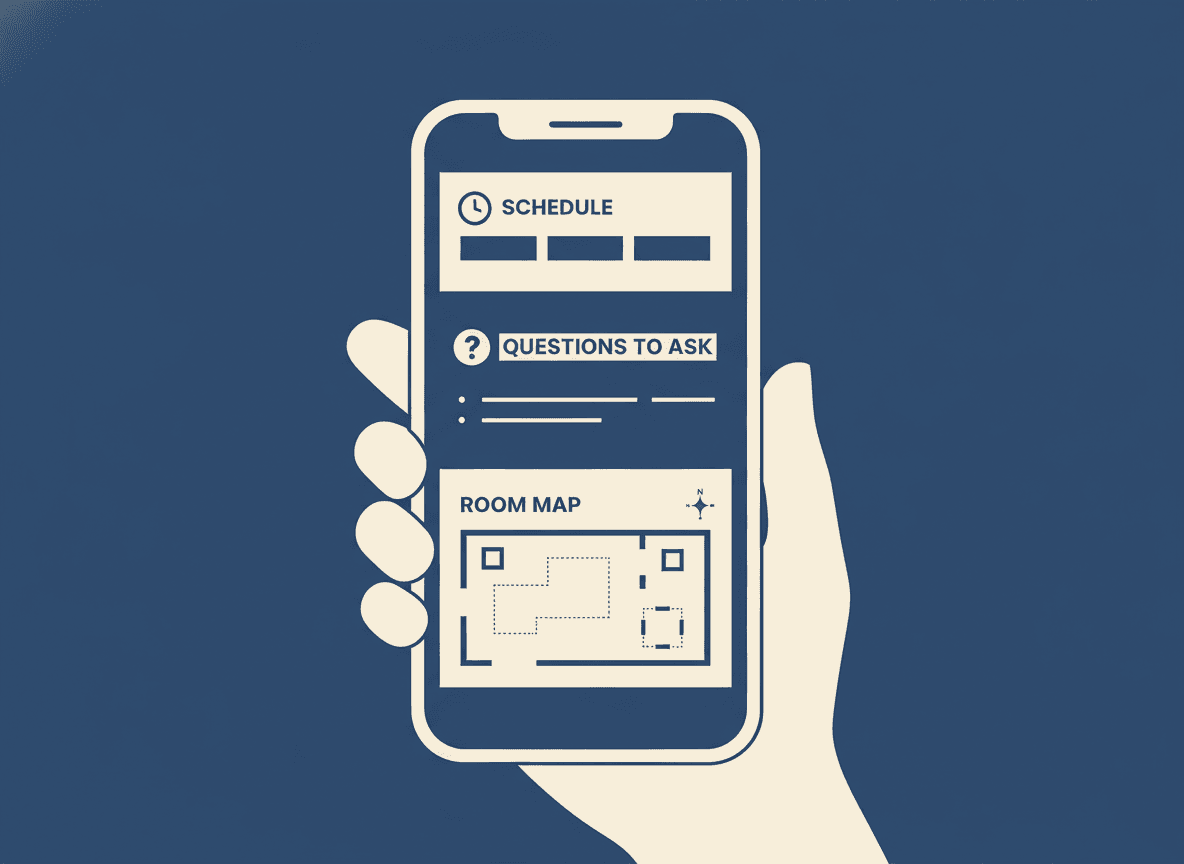
- Event details: date, time, location, and format. Start here. Is this a drop-in or a structured presentation? Is there childcare available? Where should parents park? Is there a sign-in process? Families who do not know the format do not know what to expect, and uncertainty is a barrier to attendance.
- What you will cover during the night. A preview of your presentation agenda. What will families learn about the classroom? What curriculum will you walk through? What questions do you hope to answer? A clear agenda preview sets expectations and gives families a specific reason to attend rather than a vague invitation.
- Why attending matters for your child. Research consistently shows that family engagement in school correlates with student outcomes. Most families do not know this. A brief, direct explanation of why your child benefits when their parent knows the teacher and understands the classroom is the most persuasive thing you can include in this newsletter.
- What to bring and who should come. Is this for parents and guardians only, or can students attend? Should families bring any documents or materials? Is there anything to sign on the night? A clear "what to expect" section reduces friction on the day of the event.
- What to do if you cannot attend. Offer an alternative for families who genuinely cannot make it: a follow-up phone call, a classroom visit another day, a video recording of the presentation if you plan to make one, or a written summary of the key information. Families who know there is a fallback are more likely to engage with one.
Five open house newsletter topic ideas
1. A preview of the classroom agenda. Walk families through exactly what you plan to cover during the open house. Which subjects will you overview? What classroom routines will you explain? Will there be a Q and A? Families who know the agenda arrive with the right expectations and make better use of the time.
2. Three things families always ask me and the answers. Every open house night produces the same handful of questions. Homework policy, grading, testing expectations, how to reach you. Answer the top three in the newsletter before families even walk in the door. The families who read it arrive more prepared, and you have more time for substantive conversation during the event.
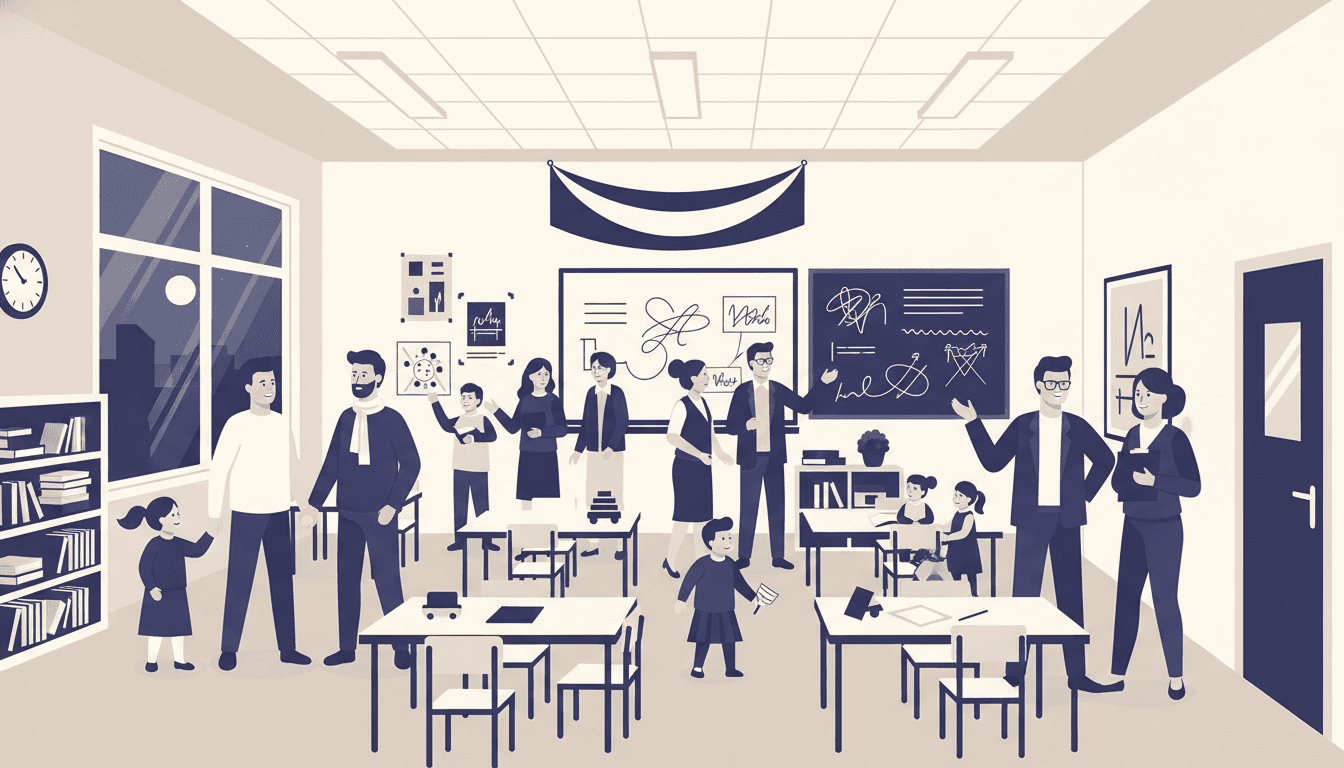
3. What the classroom looks like and how it works. Describe the physical classroom setup and the routines that govern a typical day. Where do kids sit? How do small groups work? What does the reading corner look like? Families who have a mental picture of their child's daily environment feel more connected to the classroom, even if they have not visited in person.
4. The curriculum overview in advance. Rather than waiting until the open house to explain the year's curriculum, share a high-level overview in the newsletter. Which units are you covering? What are the major assessments? Families who arrive at open house night with basic curriculum knowledge can ask better questions during the event.
5. How to talk to your child about what they do at school. Open house night is a chance for families to see the classroom their child talks about. Give families a few conversation starters to use with their child before and after the event. "Tell me about your favorite spot in the classroom." "What are you most proud of that you have done so far this year?" These questions make the open house visit more personal and more memorable.
Addressing attendance barriers directly
Many families who do not attend open house nights want to. They have work conflicts, childcare challenges, transportation barriers, or language barriers that make showing up difficult. A newsletter that acknowledges these barriers and offers concrete alternatives demonstrates respect for the real circumstances of your families.
If your school can provide childcare on the night of the event, say so in the newsletter. If a colleague can translate the agenda into the home languages represented in your classroom, offer it. If you will record the presentation, commit to sharing the recording within 48 hours. These accommodations do not reach every family, but they show that you want to.
Open house newsletters and Daystage
An open house newsletter has more content than a typical classroom update, so structure matters. Daystage's block editor lets you organize the event logistics, curriculum overview, and attendance barriers into clear sections that families can scan. Your classroom branding is already saved, your subscriber list is ready, and the newsletter arrives in family inboxes formatted and professional. The platform's analytics show you who opened the newsletter before the event, which can help you identify families to follow up with personally if attendance is a priority.
The newsletter is your first open house moment
Families who read a clear, warm, well-organized open house newsletter before the event arrive at curriculum night already feeling like they know the teacher. That is a significant head start on the relationship. The newsletter does not replace the in-person event. It makes the in-person event better for everyone who shows up.
Get one newsletter idea every week.
Free. For teachers. No spam.
Frequently asked questions
When should schools send an open house newsletter template?
Send it one to two weeks before the event. Families who are choosing whether to attend need enough lead time to arrange childcare or adjust work schedules, and families who plan to come need the logistics before the event is tomorrow.
What should an open house or curriculum night newsletter include?
Cover the date, time, and location, what the evening's agenda will look like, specific topics the teacher will explain such as grading philosophy or homework expectations, how to access materials if families cannot attend, and a genuine reason why showing up matters for their child. Attendance barriers are real and worth naming.
How should teachers customize an open house newsletter template?
Replace the generic agenda with the actual topics you plan to cover and any hands-on activities families will experience. Families who know what to expect from curriculum night are more likely to come and more likely to engage when they arrive.
What makes a school newsletter template ineffective for open house communication?
Sending the open house newsletter too late is the single biggest cause of low turnout. A newsletter that arrives the week of the event gives working parents no time to rearrange their schedule. Two weeks is the minimum lead time for a school evening event.
Where can teachers find a good open house newsletter template?
Daystage has open house and curriculum night newsletter templates with a structure that covers logistics, agenda preview, and accessibility information so teachers do not have to write the format from scratch.

Adi Ackerman
Author
Adi Ackerman is a former classroom teacher and curriculum writer with 8 years in K-8 schools. She writes about school communication, parent engagement, and what actually works in real classrooms.
More for Templates
Ready to send your first newsletter?
3 newsletters free. No credit card. First one ready in under 5 minutes.
Get started free