

March Newsletter Template for Teachers: Spring, Testing Season, and Read Across America
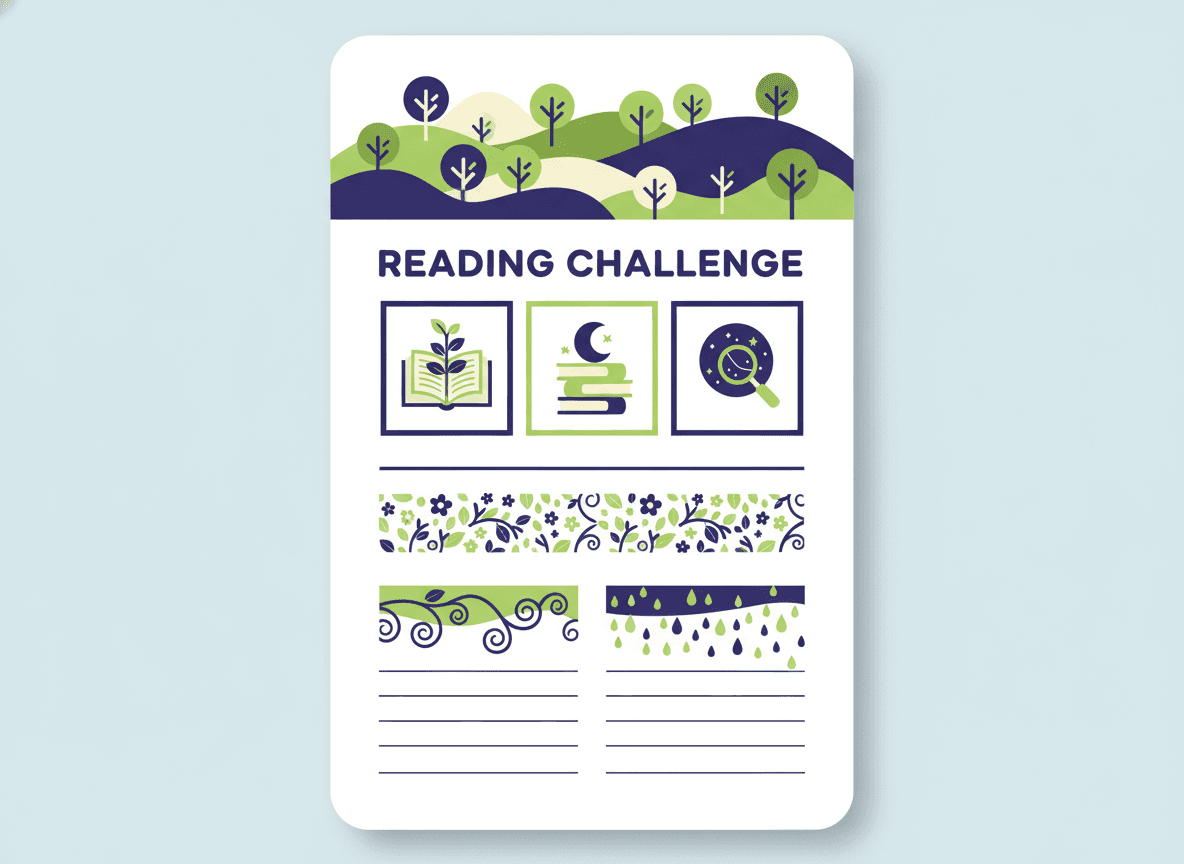
March brings three distinct things to most classrooms: the energy shift of early spring, Read Across America (and Dr. Seuss Day on March 2), and the beginning of standardized testing season. A March newsletter that addresses all three without overwhelming families is a useful tool heading into the busiest stretch of the school year.
Here is a structure and five topic ideas that help you cover March's mix of celebration, reading focus, and testing preparation.
What makes March newsletters matter
Spring is the moment in the school year when families start thinking about what their child has actually accomplished. Fourth-quarter grades are approaching. Testing results will be coming. End-of-year transitions are on the horizon. March is when parents who have been passively receiving newsletters start reading them more carefully.
A well-structured March newsletter capitalizes on that attention. Families who understand what is coming in terms of testing, what their child has mastered, and what still needs reinforcement are better positioned to support their child through the spring stretch.
Suggested structure for a March newsletter
- Read Across America celebration. Brief description of any classroom activities planned around March 2 or the broader Read Across America week. Reading challenges, guest readers, read-a-thons, author studies. Tell families how they can participate if the celebration extends to home.
- Spring testing: what families should know. If your grade level has standardized testing in March, April, or May, this is the month to address it. Explain what is being tested, when it happens, how you prepare in the classroom, and what families can do at home. Calm, clear information reduces anxiety for families and kids.
- Current academic units and progress. What are kids working on right now? What have they mastered since January? A brief subject-by-subject snapshot keeps families connected to the curriculum during a month that can feel chaotic.
- How to support reading at home in March. Read Across America is a natural hook for encouraging families to prioritize reading. One specific recommendation per grade level works better than a generic "encourage your child to read."
- Looking ahead: April and May events. Spring break dates, upcoming assessments, any field trips or special projects on the horizon. March newsletters that preview the spring calendar help families plan ahead rather than scrambling when events arrive.
Five March newsletter topic ideas
1. Our Read Across America celebration and how to join in. Describe the classroom activities you are doing for Read Across America. Are students tracking books they have read? Is there a reading challenge? Is there a dress-as-your-favorite-book-character day? Include one or two ways families can extend the reading celebration at home during the week.
2. Testing season: a calm and clear explainer. Parents often feel anxious about standardized testing because they do not fully understand what is being measured or how it affects their child. A plain-language explanation of what the spring assessments test, how you prepare students, and how families can help without adding pressure is one of the most valuable things a March newsletter can include.
3. What your class is reading right now. Share the current read-aloud book, independent reading unit, or author study. If students have strong reactions to what they are reading, share a few observations. Families love hearing that their child is engaged with books.
4. Spring science or social studies units. March often marks the transition to spring science content (life cycles, plants, weather) or social studies units tied to spring events. A brief overview of what the class is exploring helps families connect classroom learning to what their child mentions at home.
5. A "100 books by June" or reading challenge invitation. March is the right time to launch a spring reading challenge. Set a class or individual goal, explain how it works, and invite families to track along. Reading challenges that involve families tend to sustain engagement through May in a way that solo tracking does not.
Handling testing anxiety in the newsletter
Testing anxiety is real, and it often starts with parents before it reaches students. A March newsletter that frames standardized testing clearly and calmly does more for student performance than any specific test prep tip. Tell families: what the test is, what it measures, how long it takes, what students should eat and do the night before, and that one test does not define their child. That is all most families need to hear.
Avoid language that sounds like you are minimizing the test ("it does not really matter") or over-inflating it ("this is the most important thing your child will do this year"). Both extremes increase anxiety. Honest and calm is the right register.
March newsletters and Daystage
March is a month when teachers are also doing testing prep, spring assessments, and Read Across America activities. Writing a newsletter can fall off the list. If you use Daystage, the block editor makes it fast enough that you can draft a newsletter during a prep period and send it before dismissal. Import your subscriber list once, and sending to your whole class takes seconds. The platform tracks who opens each newsletter, which is useful if you need to follow up with families who are not receiving your messages.
March newsletters anchor the spring semester
The families who are well-informed heading into testing season tend to be the ones who support their child most effectively. A March newsletter that covers testing, reading, and spring curriculum gives families the context they need to be genuine partners in the most academically important stretch of the school year.
Get one newsletter idea every week.
Free. For teachers. No spam.
Frequently asked questions
When should teachers send a March newsletter template?
Send it in the first week of March, before testing season arrives and the calendar gets complicated. Families entering a month with Read Across America, spring testing, and spring break need an early overview to track what is coming.
What should a March newsletter template for teachers include?
Cover upcoming standardized testing dates and how families can help students prepare, Read Across America or spring reading initiatives, current curriculum units in each subject, any major events or school activities in March, and a preview of what April looks like.
How should teachers customize a March newsletter template?
Replace the generic testing section with your specific test names, dates, and one concrete thing families can do at home. Telling families 'make sure students get enough sleep and eat breakfast during test week' is more actionable than a vague encouragement to support their child.
What makes a school newsletter template ineffective in March?
Amplifying test anxiety in the newsletter rather than reducing it is a common mistake. Language that makes testing sound high-stakes and stressful transfers that stress to families and then to students. Calm, practical framing serves everyone better.
Where can teachers find a good March newsletter template?
Daystage has monthly newsletter templates including March, with sections for testing communication, spring reading campaigns, and curriculum updates that teachers can customize for their class.

Adi Ackerman
Author
Adi Ackerman is a former classroom teacher and curriculum writer with 8 years in K-8 schools. She writes about school communication, parent engagement, and what actually works in real classrooms.
More for Templates
Ready to send your first newsletter?
3 newsletters free. No credit card. First one ready in under 5 minutes.
Get started free