
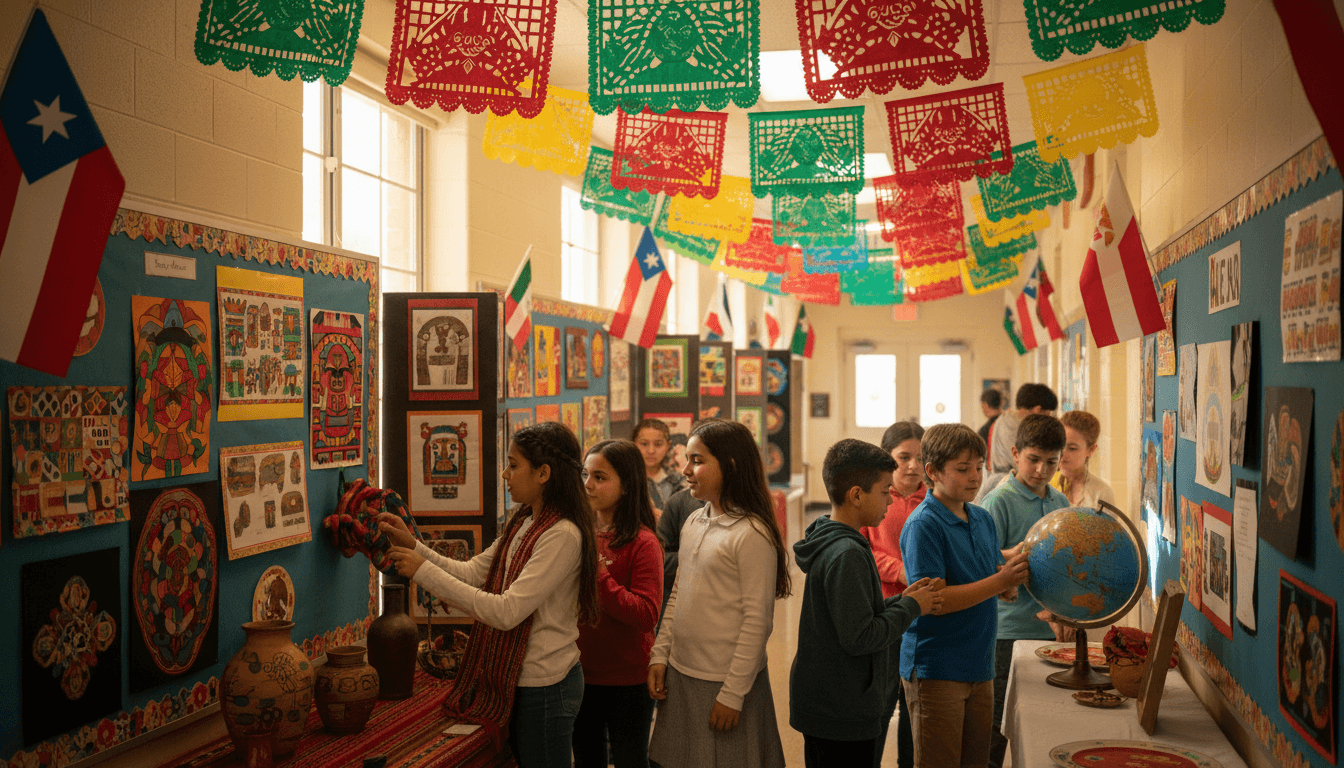
Hispanic Heritage Month School Newsletter Template
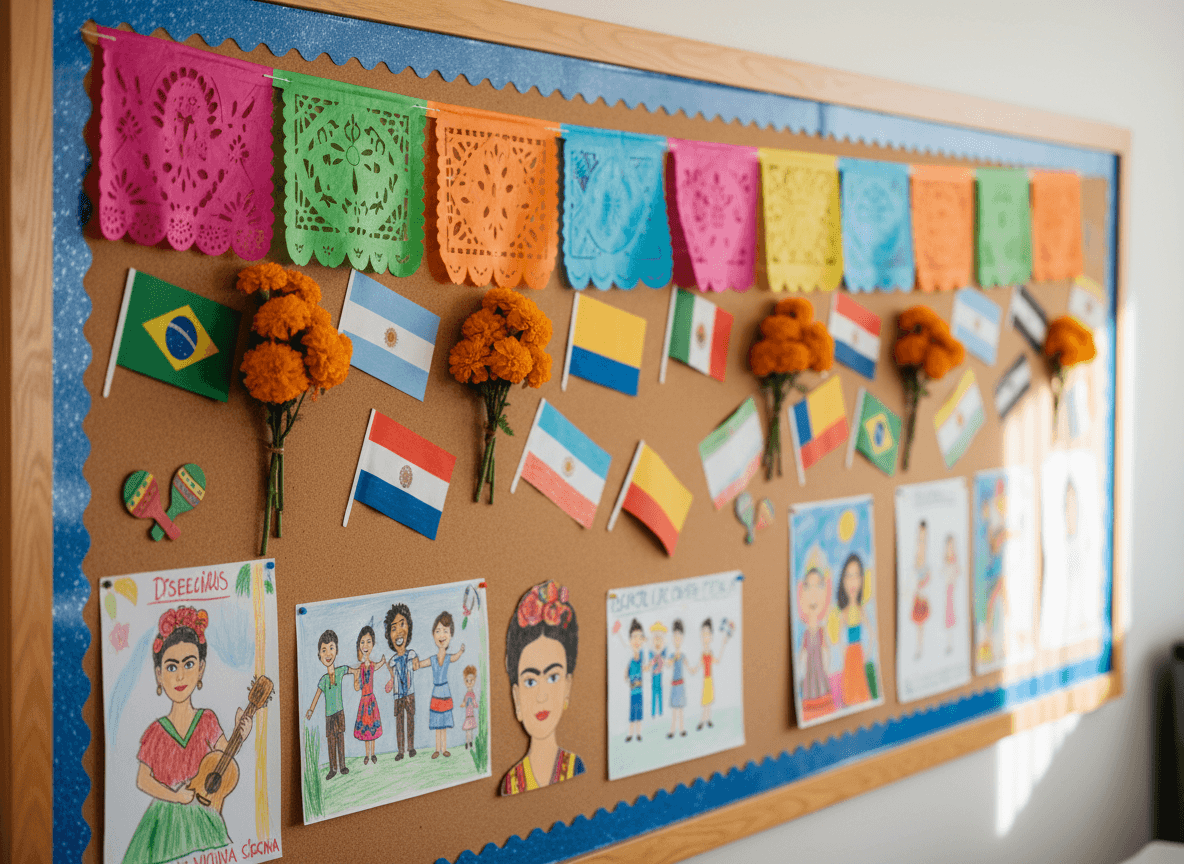
Hispanic Heritage Month runs from September 15 to October 15, straddling the early weeks of the school year when you are still establishing routines. A newsletter that communicates your plans clearly and invites family participation makes the celebration more meaningful and helps families feel included rather than informed after the fact.
This template covers what to include, how to frame the content respectfully, and how to invite community involvement without creating pressure.
What to communicate before Hispanic Heritage Month begins
Send your Hispanic Heritage Month newsletter in early September, before the month begins. Families who have relevant cultural backgrounds will appreciate the advance notice and the opportunity to contribute. Families who are less familiar with the observance will have time to learn and get their children engaged at home.
The newsletter should answer: what are we celebrating, what will it look like in the classroom, and how can families participate if they want to?
Sections to include
What is Hispanic Heritage Month. A brief, clear explanation, two to three sentences. Include the date range and a note about why it spans two calendar months (it begins on September 15, the anniversary of independence for several Latin American countries). Families who are not familiar with the observance will appreciate the context. Families who are will appreciate that you explained it accurately.
What we are doing in the classroom. Be specific. "We are going to be studying Hispanic culture" is less useful than "We are reading three picture books by Latino authors, exploring the geography of Latin America, and learning about contributions to science and the arts." Specific plans build confidence that the celebration is substantive, not decorative.
An invitation for family contributions. This section requires care. Be inviting, not pressuring. Some families will be excited to share. Others may feel uncomfortable being positioned as cultural representatives, especially if they are the only Hispanic or Latino family in the class. Frame participation as optional and varied. "If you would like to share a recipe, a story, a book, a song, or anything else from your family's background, I would love to hear from you. There is no requirement and no single right way to participate."
Ways families can extend learning at home. A short list: a book to read together, a documentary, a local event, a musician or artist to look up. Keep this to three suggestions. The goal is to open a door, not assign homework.
Upcoming dates related to the celebration. If you have a special event, a presentation day, or a family invitation planned, include the date and any relevant details.
Sample newsletter copy
Subject line: Hispanic Heritage Month starts September 15. here is what we have planned
Opening: "Hispanic Heritage Month runs from September 15 to October 15. This year, we are going to spend those four weeks exploring the history, art, science, and stories of Hispanic and Latino communities. I am looking forward to it, and I hope your family is too."
What we are doing: "In our classroom, we will be reading works by Latino authors including [book titles if known], exploring the geography and history of Latin America, and looking at the contributions of Hispanic and Latino figures in fields including science, literature, sports, and the arts. Students will have a chance to share what they learn through a project we will introduce the first week."
Family invitation: "If your family has a connection to Hispanic or Latino culture and you would like to share something with the class, whether that is a story, a food, a tradition, a song, or a piece of art, please reach out. There is no obligation. Any contribution, big or small, is welcome and appreciated."
What to avoid in your Hispanic Heritage Month newsletter
- Treating Hispanic and Latino as interchangeable terms without acknowledging they have different meanings
- Assuming only certain families have a relevant cultural connection to this month
- Singling out individual students or families in your communication
- Framing participation as expected rather than invited
- Using the newsletter to announce a single cultural event and calling it done
Tone for this newsletter
Enthusiastic and informed. The tone should signal that you have actually thought about this, not that you are checking a box. Specific plans demonstrate seriousness. An open invitation to family participation demonstrates inclusion. Together they communicate that this is a real celebration, not a bulletin board.
How Daystage helps
Daystage lets you schedule your Hispanic Heritage Month newsletter to go out on September 13 or 14, right before the observance begins, without having to remember to send it during the busy opening days of school. You can write it ahead of time, review it, and schedule it to land when it will do the most good. If you want to send a follow-up at the end of October sharing what students learned and created, that is easy to set up as a second send.
The goal is a connected classroom
A Hispanic Heritage Month newsletter is not just an announcement. It is an early signal to your community about the kind of classroom you run: one where culture is not a sidebar but part of the curriculum, where families are invited in, and where every student's background is taken seriously. That signal, sent early in the year, builds the foundation for the harder conversations and more meaningful connections that follow.
Get one newsletter idea every week.
Free. For teachers. No spam.
Frequently asked questions
When should schools send a Hispanic Heritage Month newsletter?
Send it before September 15, when Hispanic Heritage Month officially begins. Families benefit from knowing the scope of the recognition and what their children will be learning before activities start rather than after.
What should a Hispanic Heritage Month newsletter include?
Describe the specific countries, historical figures, and cultural contributions your class is studying, list any books, speakers, or community partners involved, and share how families can engage at home. Avoid generic language that collapses 20-plus countries into a single undifferentiated culture.
How should teachers customize a Hispanic Heritage Month newsletter template?
Identify the specific Latino and Hispanic communities represented in your classroom and curriculum, then write from that specificity. A newsletter that names Cesar Chavez, Sonia Sotomayor, or Roberto Clemente in context signals deeper engagement than one that mentions 'Hispanic leaders' in the abstract.
What makes a school newsletter template ineffective for Hispanic Heritage Month?
Overgeneralizing the community is the most common and most noticeable failure. Hispanic and Latino families span dozens of nationalities and distinct cultural traditions. A newsletter that treats them as one group will register as shallow to the very families it aims to honor.
Where can teachers find a good Hispanic Heritage Month newsletter template?
Daystage has heritage month newsletter templates including Hispanic Heritage Month, with a structure designed to guide teachers toward specific, substantive content rather than generic celebration copy.

Adi Ackerman
Author
Adi Ackerman is a former classroom teacher and curriculum writer with 8 years in K-8 schools. She writes about school communication, parent engagement, and what actually works in real classrooms.
More for Templates
Emergency School Closure Newsletter Template
Templates · 4 min read
National School Breakfast Week Newsletter Template: How to Communicate Nutrition and Support to Families
Templates · 5 min read
School Counselor Appreciation Week Newsletter Template: How to Recognize Your Counselor and Explain Their Role to Families
Templates · 5 min read
Ready to send your first newsletter?
3 newsletters free. No credit card. First one ready in under 5 minutes.
Get started free