
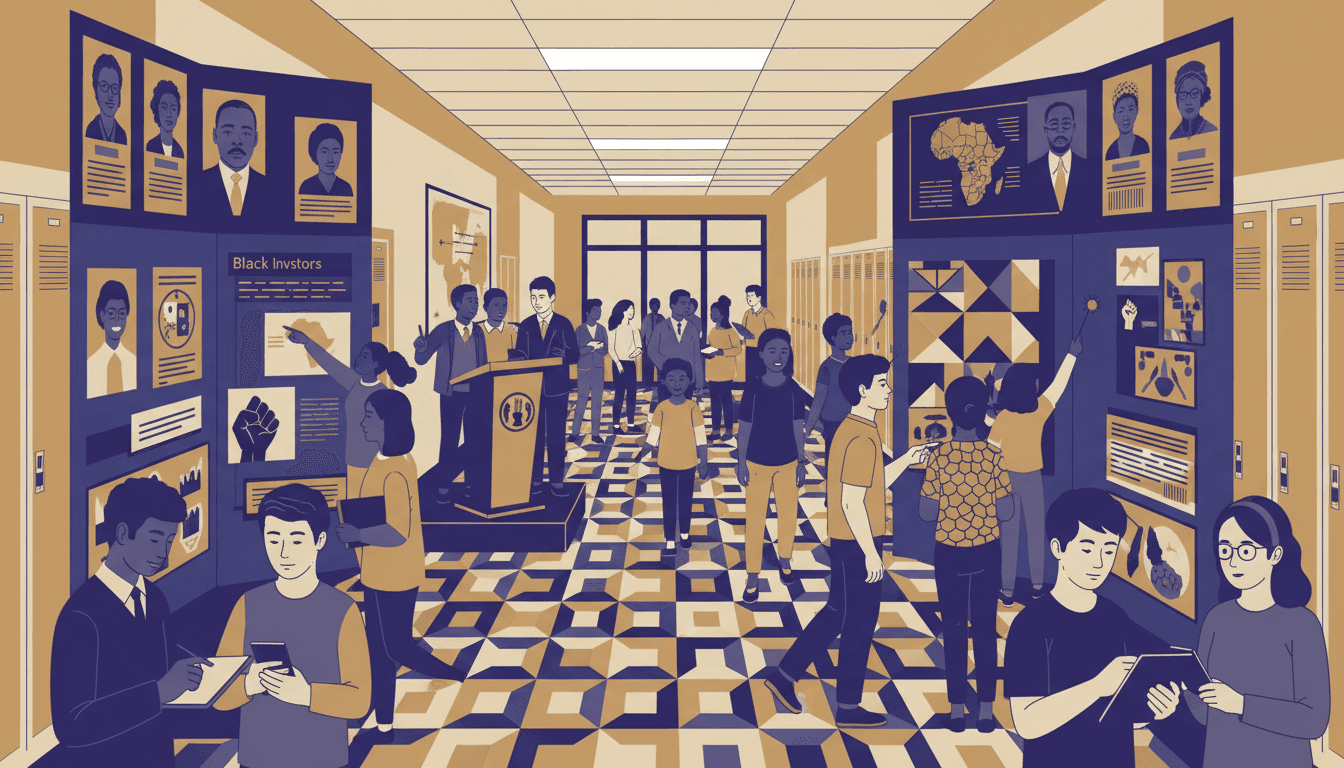
Black History Month Newsletter for Schools: What to Include and How to Engage Families
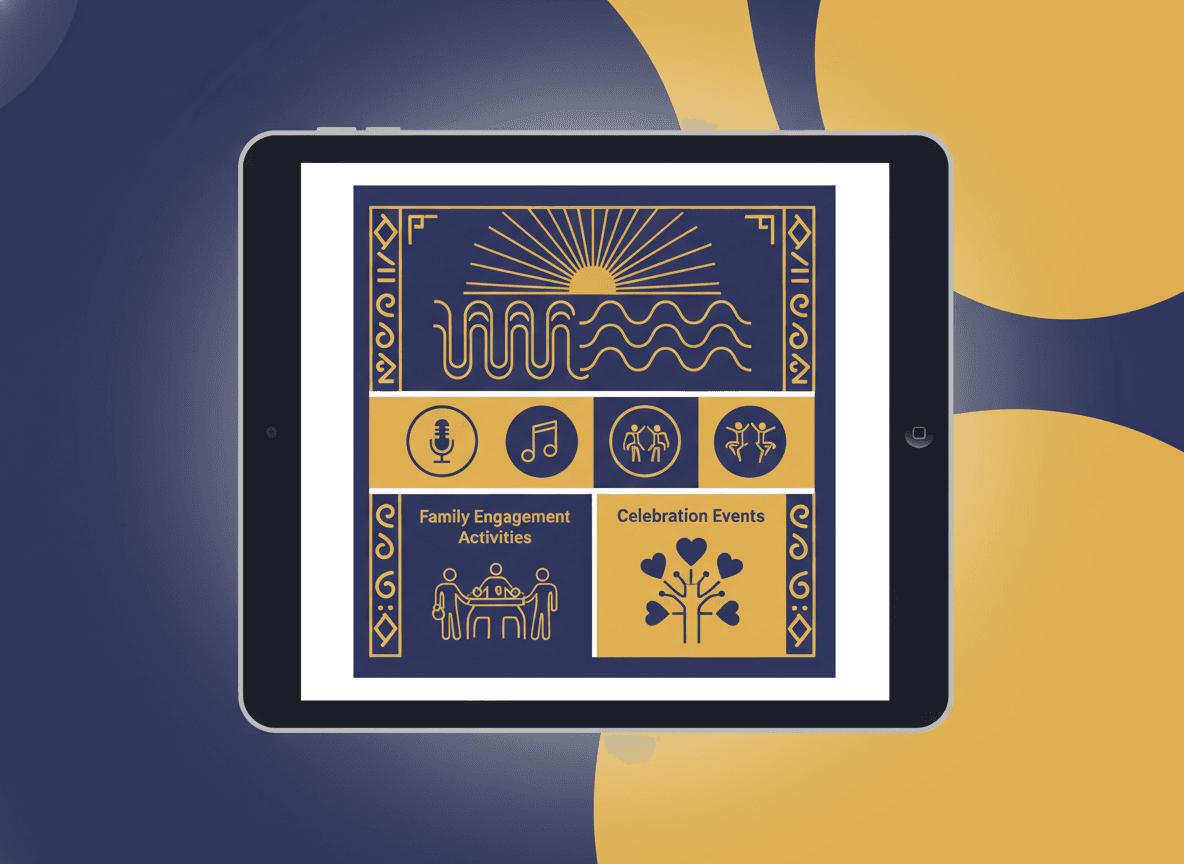
Black History Month is one of the most significant month-long observances in the school calendar, and one of the most commonly handled poorly in school communication. A newsletter that says "We are celebrating Black History Month in our classroom this February" and moves on does not serve students, families, or the history being honored.
A Black History Month newsletter that takes the observance seriously, explains what students are actually learning, and gives families specific tools to engage at home does something much more valuable: it treats the month as an educational priority, not a box to check.
The standard to hold for Black History Month newsletters
Ask yourself one question before you write: would I be comfortable if the families of my Black students read exactly what I wrote? If the answer is yes, you are probably writing at the right level of depth and honesty. If you are not sure, the section probably needs more specificity.
Surface-level Black History Month coverage, whether in classrooms or in newsletters, communicates that the observance is about compliance rather than genuine learning. The bar for a good newsletter is the same as the bar for good teaching: be specific, be honest, and connect the content to why it matters.
Suggested structure for a Black History Month newsletter
- What we are studying this February: specific content. Name the historical figures, time periods, movements, or stories your class is exploring. This is not a place for vague language. "We are studying the Harlem Renaissance through the art and poetry of Langston Hughes and Augusta Savage" is specific. "We are learning about important Black figures in history" is not.
- The curriculum choices you made and why. A brief explanation of why you chose the specific content you did. Are you focusing on women in the civil rights movement? Local civil rights history? Contemporary Black scientists, artists, or leaders? Families who understand your choices are more likely to engage with the curriculum at home.
- Family resources: books, films, and conversations. A list of two to five books appropriate for your grade level, one or two film or documentary recommendations for families with older children, and two or three conversation prompts families can use at home. Make everything optional and age-appropriate.
- Student work and classroom projects. If students are doing any research projects, art, writing, or presentations connected to Black History Month, describe the project and its purpose. Families who know what their child is working on can support the process and have more specific conversations about it at home.
- Upcoming Black History Month events at school. Any school-wide assemblies, speaker visits, book fairs, or community events connected to Black History Month. Include dates and whether family attendance is possible or encouraged.
Five Black History Month newsletter topic ideas
1. The figures we are studying and why we chose them. Share the specific historical figures your curriculum is centering this February and the reasoning behind your choices. If you are moving beyond the standard handful of names that appear in every classroom, explain why. Families appreciate transparency about curriculum decisions, especially in a month as significant as this one.
2. What students are saying and creating. Share student observations, writing samples, or artwork from your Black History Month curriculum. A child's reflection on what they learned about Ida B. Wells or Shirley Chisholm is often more moving to families than any curriculum description a teacher can write.
3. A grade-appropriate book list for the month. Five books that families can read with or alongside their child during February. Include a sentence on what each book covers and why you recommend it. A reading list with genuine teacher commentary is far more useful than a generic list families can find on any website.
4. Black History Month beyond February. If part of your curriculum philosophy is integrating Black history into the full-year curriculum rather than confining it to one month, say so in your newsletter. This kind of transparency matters to families who notice when Black history disappears from the curriculum in March.
5. A family conversation about what your child is learning. Offer three specific questions families can ask their child about what they are studying in February. "What surprised you about what you learned?" "Who is a person from this unit you want to know more about?" "Why do you think it is important that we study this history?" Questions like these extend the classroom work into family life in a meaningful way.
What to avoid in Black History Month newsletters
Avoid centering the newsletter on slavery as the primary lens for Black history. While the history of slavery is a critical part of American history and belongs in your curriculum, a Black History Month newsletter that is primarily about enslavement and suffering, with no coverage of achievement, leadership, art, science, or resistance, gives families an incomplete picture and does not honor the full range of Black history.
Avoid the "first Black person to" framing as the only lens. It presents Black achievement primarily in relation to white-dominated institutions rather than as part of a rich internal culture and history. Supplement it with content that explores Black communities, creativity, and intellectual life on their own terms.
Using Daystage for the Black History Month newsletter
The Black History Month newsletter tends to be one of the more content-rich newsletters of the school year. Daystage's block editor makes it easy to organize that content into clear, readable sections without the newsletter feeling overwhelming. Write each section as its own block, use headers so families can navigate, and keep each section to two to four paragraphs. A longer newsletter is fine when the content justifies it. Just make sure every section earns its place.
Black History Month newsletters matter more than most
The families of your Black students read your Black History Month newsletter differently than other families do. They notice when the content is superficial. They notice when their community's history is reduced to a few bullet points. They also notice, and remember, when a teacher takes the time to go deep, to be specific, and to treat this history as the full and rich subject it is. The newsletter is a reflection of the classroom. Make it one worth reading.
Get one newsletter idea every week.
Free. For teachers. No spam.
Frequently asked questions
When should schools send a Black History Month newsletter?
Send it at the start of February, before classroom activities begin. Families benefit from knowing the specific people, events, and themes their children will be learning about rather than hearing about it after the fact.
What should a Black History Month newsletter include?
Describe the specific figures and events you are teaching, the books or resources students are using, any family engagement opportunities, and how the learning connects to broader curriculum goals. Avoid generic proclamations that could have been sent by any school.
How should teachers customize a Black History Month newsletter template?
Replace placeholder content with the actual names of the historical figures you are studying, the specific projects students are completing, and any community members or guest speakers involved. Specificity signals that the curriculum is real and substantive.
What makes a school newsletter template ineffective for Black History Month?
Sending a newsletter that reads like a press release rather than a classroom update is the most common failure. Families, especially Black families, can tell when the recognition is performative. Concrete classroom details matter more than celebratory language.
Where can teachers find a good Black History Month newsletter template?
Daystage has newsletter templates for Black History Month with a structure that guides teachers toward specific, substantive content rather than generic celebration copy.

Adi Ackerman
Author
Adi Ackerman is a former classroom teacher and curriculum writer with 8 years in K-8 schools. She writes about school communication, parent engagement, and what actually works in real classrooms.
More for Templates
Ready to send your first newsletter?
3 newsletters free. No credit card. First one ready in under 5 minutes.
Get started free