

Back-to-School Newsletter Template for Teachers: What to Include for a Strong First Impression
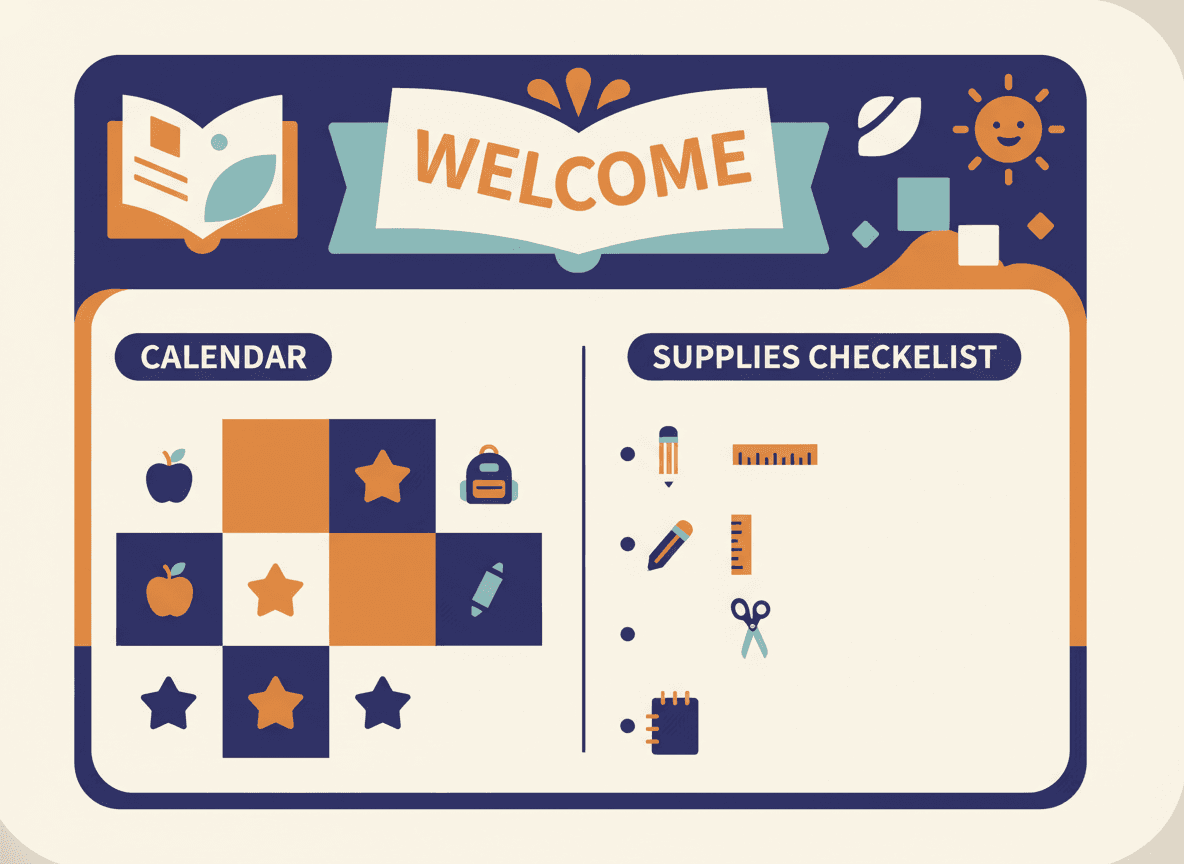
The back-to-school newsletter is one of the highest-read pieces of communication you will send all year. Families are paying attention. They want to know who their child's teacher is, what the classroom will be like, and what they need to do before the first day. A strong first newsletter builds trust before you have even met most of your families in person.
This template breaks down what to include, how to structure it, and five topic ideas that work for almost any grade level.
When to send it
Send your back-to-school newsletter one to two weeks before school starts. Families need time to prepare. If they get your newsletter the night before, they cannot act on anything in it. If they get it two weeks out, they can ask questions, gather supplies, and show up ready.
A short follow-up reminder two to three days before school starts works well. Keep the reminder focused on just one or two action items from the original newsletter.
How to structure the back-to-school newsletter
Most families read school newsletters on their phones. Short sections with clear headers outperform long paragraphs every time. A five-section structure works well for a first-of-year newsletter:
- Welcome and quick intro. Two to three sentences. Who you are, your teaching background, and one thing you are excited about this year. Keep it personal and brief.
- First-day logistics. Drop-off location, first bell time, what to bring. This is the section families will reference the morning of day one. Make it scannable.
- Classroom overview. A short description of how your class runs. Subjects, routines, communication style. Families want to understand what a typical day looks like for their child.
- Supply list and any requests. If you have a supply list, link to it or paste it here. Include any classroom-specific requests (a box of tissues, a healthy snack option, etc.).
- How to reach you. Your preferred contact method, response time expectations, and any upcoming events worth marking on the calendar.
Five topic ideas for the back-to-school newsletter
These five topics work across grade levels and give families the information they actually want before school starts.
1. A teacher introduction that sounds like a person wrote it. Skip "I have been teaching for X years and am passionate about education." Instead, share one specific thing you love about teaching your grade level, one interest outside of school, and one thing you are genuinely excited about for this class. Families remember personal details.
2. What the first week looks like. Families wonder what their child will actually do on day one. Is it a full academic day? Will there be icebreakers? Will kids get homework? A two-sentence preview sets accurate expectations and reduces first-week anxiety for both kids and parents.
3. How you communicate throughout the year. Weekly newsletters? Email only? A classroom app? Let families know your communication rhythm upfront. This prevents the "no one told me" problem later and sets expectations about response times.
4. One thing families can do at home to help right now. Whether it is practicing a specific skill, reading for 20 minutes a night, or having a conversation about classroom expectations, give families one actionable step. It signals partnership and gets families engaged before day one.
5. Upcoming events in the first month. Back-to-school night, curriculum overview, or any early parent meetings. Give families a heads-up so they can plan ahead. Include dates, times, and a brief note on what to expect.
What to leave out
The biggest mistake in back-to-school newsletters is trying to cover everything at once. The lunch menu, the field trip permission slips, the volunteer sign-up, and the reading log instructions do not belong in the first newsletter. They dilute the information families actually need right now.
Save secondary topics for newsletters in weeks two and three. A steady drip of focused information lands better than one overwhelming information dump.
Sending it with Daystage
Daystage is built for exactly this kind of communication. You set your name, classroom color, and school logo once. Every newsletter you create inherits that branding automatically. Write your back-to-school newsletter using the block editor, add your five sections, and send. Families get a formatted email in their inbox, not a PDF they have to open or a link they have to click.
If you want to see who opened your newsletter (and who did not), Daystage shows open rates by subscriber. That tells you whether your families are getting your messages or whether you need to update the email addresses you have on file before week one.
The newsletter that lands before day one does the most work
Families who get a clear, warm back-to-school newsletter from their child's teacher arrive on day one already feeling good about the year. They know the teacher's name, they know what to bring, and they know how to reach out if they have questions. That head start makes the whole first week smoother for everyone.
Use the structure above, pick three to five topics from the list, keep each section short, and send it two weeks before school starts. That is the whole template.
Get one newsletter idea every week.
Free. For teachers. No spam.
Frequently asked questions
When should schools use a back-to-school newsletter template?
Send the back-to-school newsletter before the first day, ideally the week school paperwork is distributed. Families who receive it before day one arrive more prepared and have fewer logistics questions on the first morning.
What should a back-to-school newsletter template include?
Include teacher introduction, classroom schedule, supply list, drop-off and pick-up procedures, communication methods, and any first-week activities. Families need to know who you are, how to reach you, and what to send with their child.
How should teachers customize a back-to-school newsletter template?
Personalize the teacher introduction section with your teaching philosophy and one specific thing you are looking forward to doing with the class. Generic newsletters get skimmed. A specific, human introduction gets read.
What makes a school newsletter template ineffective for back to school?
Sending it on the first day instead of before it is the most preventable mistake. A back-to-school newsletter that arrives the night before school starts gives families no time to prepare, buy supplies, or ask questions.
Where can teachers find a good back-to-school newsletter template?
Daystage offers back-to-school newsletter templates that cover the logistics families need before day one, with a structure teachers can fill in quickly and send before the year starts.

Adi Ackerman
Author
Adi Ackerman is a former classroom teacher and curriculum writer with 8 years in K-8 schools. She writes about school communication, parent engagement, and what actually works in real classrooms.
More for Templates
Ready to send your first newsletter?
3 newsletters free. No credit card. First one ready in under 5 minutes.
Get started free