
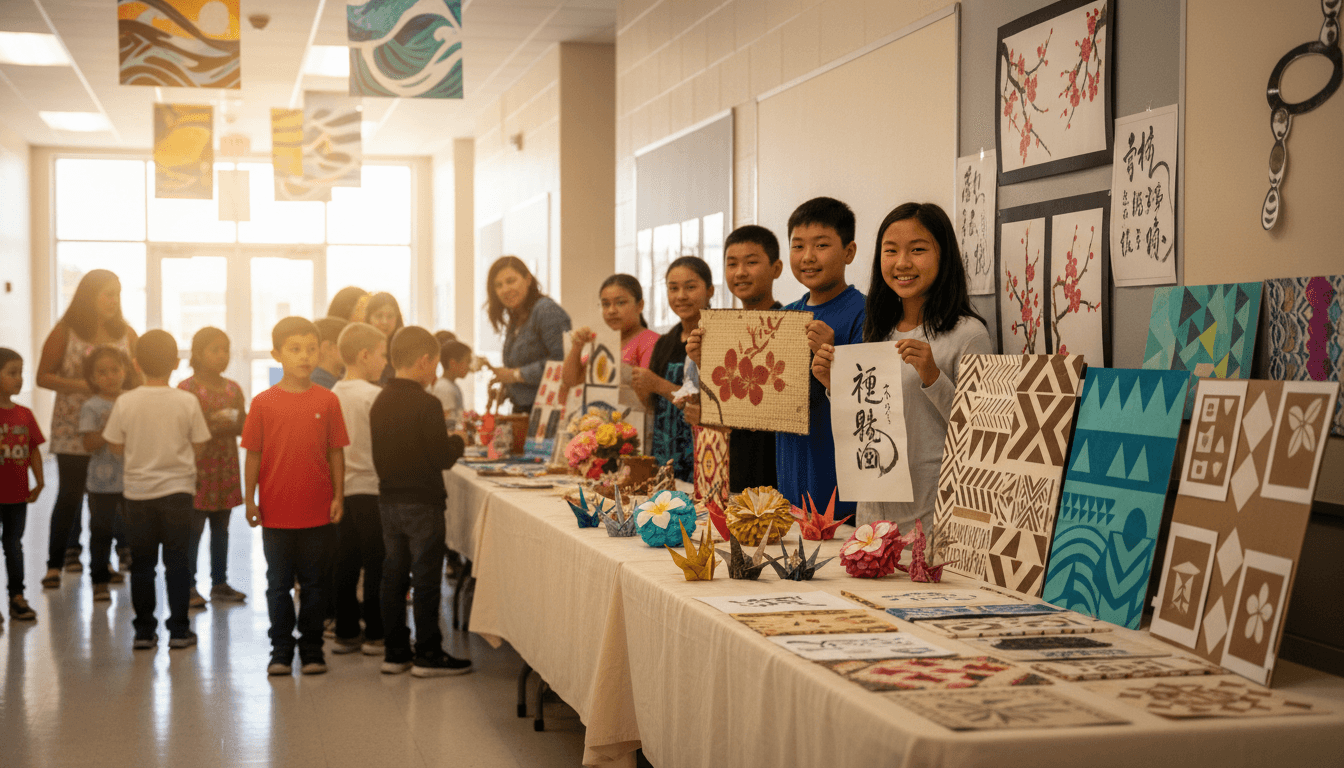
Asian Pacific American Heritage Month School Newsletter Template
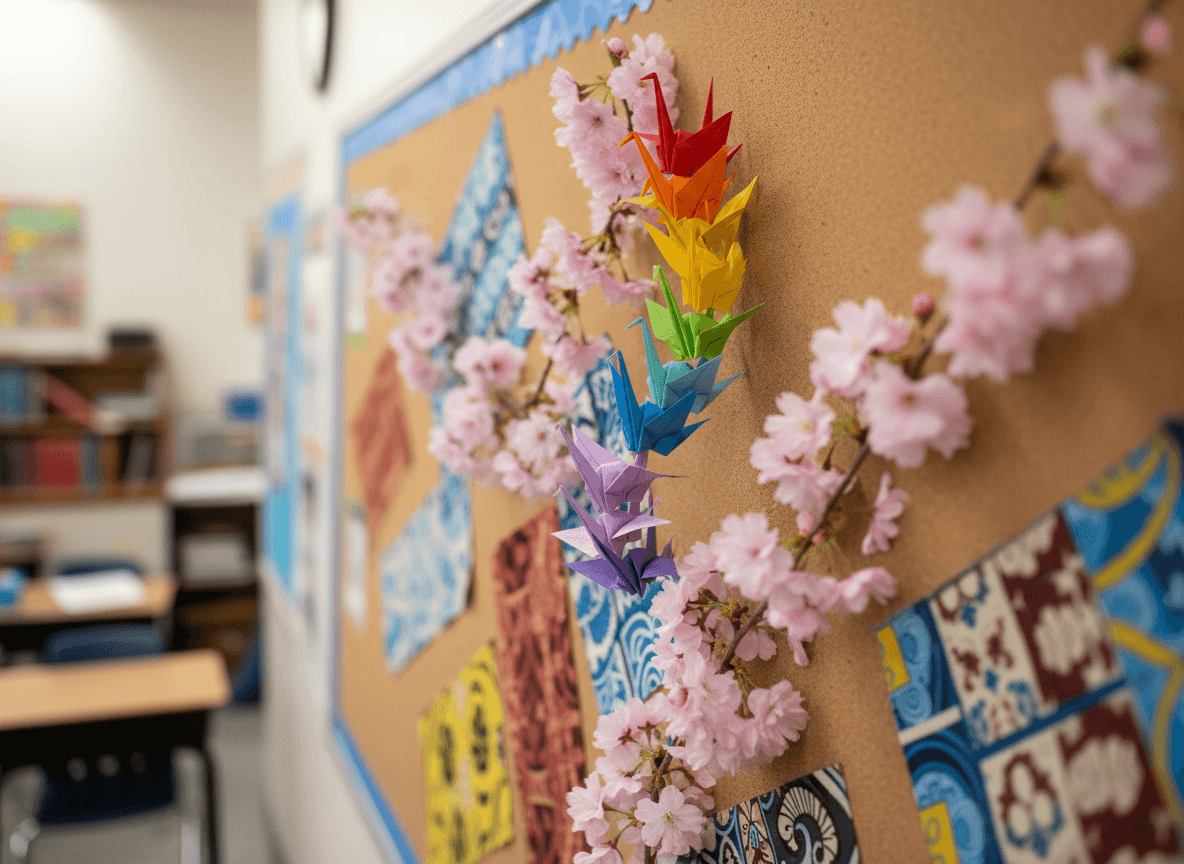
Asian Pacific American Heritage Month is observed throughout May. It recognizes the contributions and history of Asian Americans and Pacific Islanders in the United States. For schools, May is already a busy month with testing, spring events, and the push toward end of year. A newsletter that communicates your AAPI Heritage Month plans clearly, early in May, helps families engage before schedules get chaotic.
This template covers how to structure that communication, what to include, and how to write about a culturally diverse community with accuracy and care.
Why a dedicated newsletter matters
Asian Pacific American Heritage Month often receives less school-wide visibility than other heritage months. A classroom newsletter gives you a direct channel to communicate that you are taking it seriously, regardless of what is happening school-wide. For AAPI students and families, seeing their heritage acknowledged thoughtfully is meaningful. For all students, it is a curriculum enrichment opportunity that goes beyond a bulletin board.
Important context: what this community includes
Before writing your newsletter, it helps to be clear on scope. AAPI refers to dozens of distinct ethnic groups including Chinese, Japanese, Korean, Filipino, Vietnamese, Cambodian, Indian, Pakistani, Bangladeshi, Thai, Hmong, Hawaiian, Samoan, Tongan, Guamanian, and many others. These communities have different languages, histories, cultural practices, and experiences in the United States. Your newsletter should reflect this diversity rather than treating AAPI as a monolithic category.
One way to do this in your newsletter: name specific groups, figures, and contributions rather than making broad statements about "Asian culture."
What to include in your newsletter
An explanation of the observance. What is AAPI Heritage Month, why May, and why it matters. Keep this to two or three sentences. Families from AAPI backgrounds may know the history. Families who are not may not. Both groups deserve a clear, respectful explanation.
Specific classroom activities. What will students be studying? Which figures or stories are you centering? Which Pacific Islander communities are represented alongside East and Southeast Asian communities? The more specific you are, the more families trust that the celebration is substantive.
A family invitation, framed as optional. Some AAPI families will want to share. Others may be tired of being asked to represent their culture, particularly if they experience that request in isolation throughout the year. Frame any invitation as genuinely optional and open to whatever form families feel comfortable with.
Resources for home learning. Two or three books, films, or podcasts appropriate for your students' age range. Curating these takes more time than listing anything on a generic AAPI booklist, but families will notice the specificity.
Any special events or dates. Guest speakers, community presentations, school-wide events, or project share days.
Sample newsletter copy
Subject line: May is AAPI Heritage Month. here is what we have planned
Opening: "May is Asian Pacific American Heritage Month. This observance celebrates the history, culture, and contributions of Asian Americans and Pacific Islanders across the United States. In our classroom, we will spend May learning about a range of communities including [specific groups relevant to your curriculum], and the figures and stories that represent their experiences."
Classroom plans: "This month, students will explore [specific activities, books, projects]. We will be reading [book titles], learning about [figures or historical moments], and working on [a project or presentation]. My goal is to give students a sense of the variety and depth within AAPI communities, not just a single story."
Family invitation: "If you would like to share something from your family's background with the class, whether a story, a food, a tradition, a piece of music, or anything else, I would love to hear from you. This is entirely optional. There is no script and no expectation. Reach out by email if you are interested."
Common mistakes to avoid
- Treating "Asian" and "Pacific Islander" as a single homogeneous group
- Focusing only on East Asian countries (China, Japan, Korea) and omitting South Asian, Southeast Asian, and Pacific Islander communities
- Singling out AAPI students or families as the class's cultural representatives
- Using the newsletter only to announce a single event rather than sustained classroom exploration
- Framing the celebration around food or festivals without addressing history, contributions, or current issues
Tone for this newsletter
Informed and specific. The newsletter should signal that you did more than skim a list of heritage month ideas. Naming specific communities, figures, and books in your newsletter communicates that this is a considered curriculum choice, not a decorative month. Keep the tone inviting and warm, but grounded in specifics.
Using Daystage for May newsletters
May is a complicated month to manage communication. You are likely sending end-of-year event reminders, testing preparation updates, and field trip reminders at the same time as your AAPI Heritage Month newsletter. Daystage lets you schedule multiple newsletters in advance so each one goes out at the right time without creating a communication pile-up in a single week. Write your AAPI Heritage Month newsletter in late April, schedule it for the first week of May, and let the platform handle the timing while you manage the actual teaching.
The newsletter reflects what you actually do
A newsletter announcing AAPI Heritage Month is only meaningful if it reflects what is actually happening in the classroom. If your plans are substantive and diverse, your newsletter can be confident. If you are still building your AAPI curriculum, be honest about that in the newsletter and share what you are working toward. Families respect honesty more than polished announcements that do not match reality.
Get one newsletter idea every week.
Free. For teachers. No spam.
Frequently asked questions
When should schools send an Asian Pacific American Heritage Month newsletter?
Send it in the first week of May, before classroom activities begin. Families need context for what AAPI Heritage Month is, what communities it includes, and how the school is marking it throughout the month.
What should an Asian Pacific American Heritage Month newsletter include?
Explain what the month recognizes and which communities fall under the umbrella, describe the specific classroom activities and learning goals, mention any books or guest speakers, and share how families can extend the conversation at home. Specificity signals depth.
How should teachers customize an AAPI Heritage Month newsletter template?
Replace the generic activity list with what your class is actually doing, and note the specific cultures or historical figures you are focusing on. Avoid reducing the month to a single country or cultural tradition, since the community spans dozens of distinct groups.
What makes a school newsletter template ineffective for heritage month communication?
Lumping all Asian and Pacific Islander communities together without distinction is the most common mistake. Families from these communities will notice, and it signals that the recognition is surface-level rather than genuinely educational.
Where can teachers find a good Asian Pacific American Heritage Month newsletter template?
Daystage has newsletter templates for heritage months including AAPI Heritage Month, with a structure that helps teachers communicate the scope and depth of their classroom activities clearly to families.

Adi Ackerman
Author
Adi Ackerman is a former classroom teacher and curriculum writer with 8 years in K-8 schools. She writes about school communication, parent engagement, and what actually works in real classrooms.
More for Templates
Ready to send your first newsletter?
3 newsletters free. No credit card. First one ready in under 5 minutes.
Get started free