
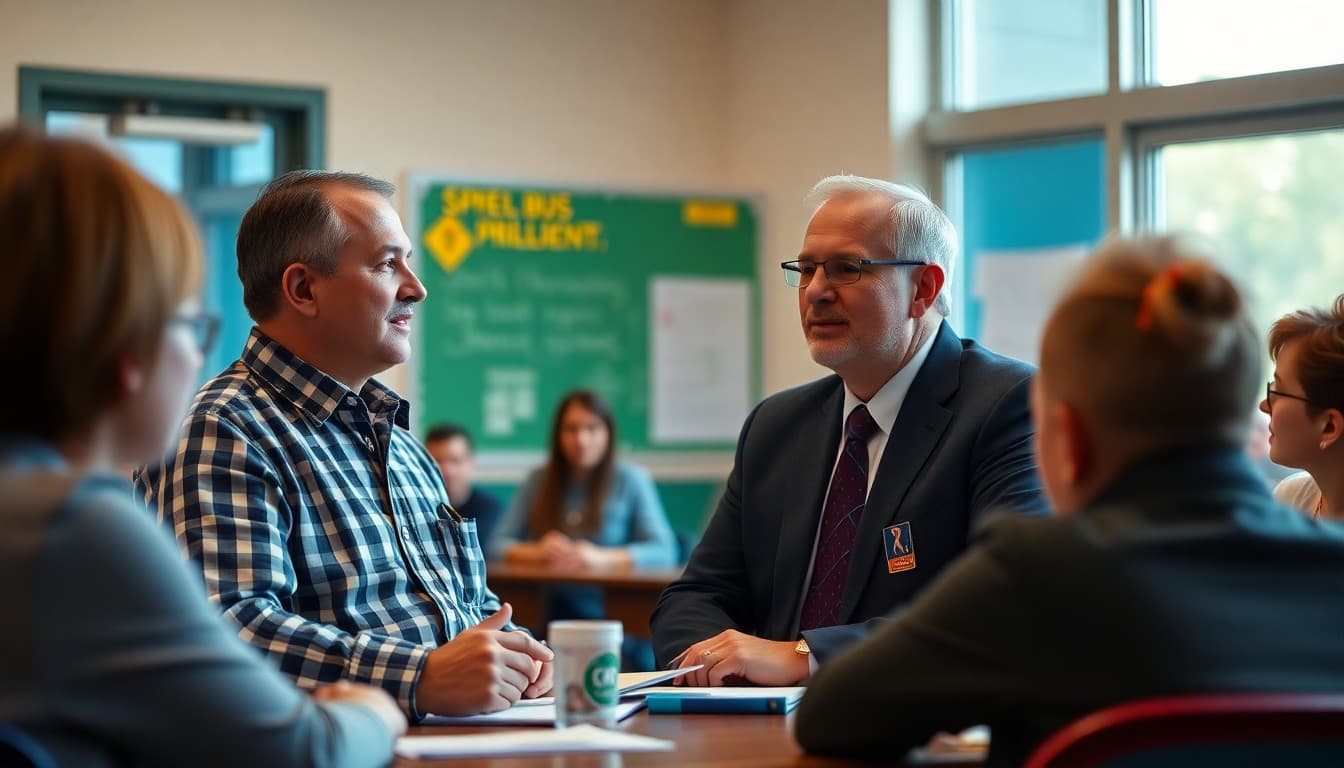
Superintendent Transportation Update Newsletter Template
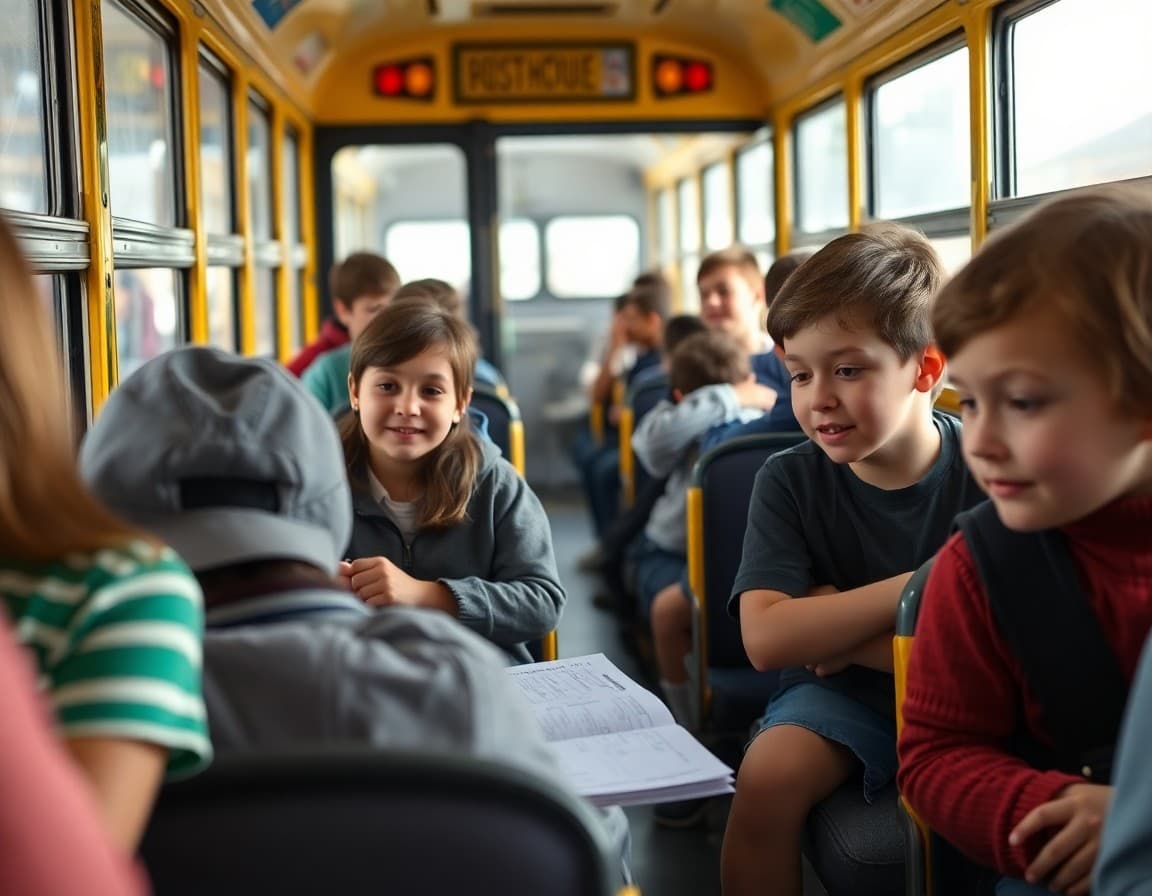
Transportation is one of the most logistically complex aspects of running a school district, and communication failures around bus routes and schedule changes are among the most common sources of parent frustration. A well-crafted superintendent transportation update newsletter reduces confusion, prevents angry phone calls to the transportation office, and demonstrates that the district takes families' practical needs seriously.
When transportation communication goes wrong
Most transportation communication problems follow a predictable pattern. The district makes a change (new routes, adjusted pickup times, changed eligibility). The transportation department sends a letter or posts a notice on the website. Families miss it, misread it, or do not understand how to find their specific route information. On the first day of school, dozens of calls come in to the transportation office. Parents are frustrated. Staff are overwhelmed.
A superintendent-level newsletter, sent proactively before the change takes effect, with clear action steps and specific contact information, prevents most of this. It signals that the change is important enough for the district's leadership to communicate directly, and it gives families the information they need before they need it.
The annual back-to-school transportation newsletter
Every August or September, before the school year starts, families need to know three things: Is my child eligible for bus transportation? What is their pickup location and time? What do I do if something goes wrong?
Structure the annual transportation newsletter around these questions. Describe how families find their specific route information (your district's online lookup tool, a phone number, or a portal). Be specific about pickup times, noting that the first few days of school are typically 5-10 minutes off-schedule as drivers learn the routes.
Include a clear statement of transportation eligibility: "Students who live more than [X] miles from their school are eligible for bus transportation. Students with IEPs that include transportation are eligible regardless of distance." Families who are on the edge of the eligibility threshold are often confused about whether their child qualifies.
Mid-year route change communication
When routes change mid-year, the key is advance notice. Families whose children are affected need to know at least one week before the change takes effect, and two weeks is better. The newsletter should identify exactly which schools and neighborhoods are affected and what the new route information is. If the change is complex, consider a separate mailer or phone call to affected families in addition to the newsletter.
Explain the reason for the change. Common reasons include: ridership has declined and the route is being combined with another, a driver has left and the routes are being redistributed, road construction requires a reroute, or school boundaries have changed. Families who understand the reason are more accepting of the inconvenience.
Communicating about bus driver shortages
Driver shortages are a real and persistent challenge for many districts, driven by CDL requirement changes, competition from other industries, and challenging working conditions. When shortages affect service, communicate early and honestly.
A sample message: "We want to be transparent about a challenge we are managing this fall. We have fewer bus drivers than we need to run our full route schedule. We are actively hiring and offering a CDL training program for new drivers, but in the short term, some routes may have delays of 10-15 minutes, particularly in the first weeks of school. We will update families as our hiring progresses."
This kind of honest early communication, even when the news is not ideal, builds more trust than staying quiet until families notice problems.
Eligibility changes and community reaction
Reducing transportation eligibility (by increasing the walk distance threshold, for example) is almost always controversial. Families who lose bus service experience a real inconvenience, and some will object strongly. The superintendent newsletter should acknowledge this directly: "We recognize that this change will require some families to adjust their morning routine."
Provide as much practical help as possible alongside the news of the change. A link to safe walking route maps, information about whether the district will add crossing guards at specific intersections, and a clear statement of the appeals process for students who may have safety concerns about walking all demonstrate that the district has thought about the impact and is trying to mitigate it.
Special education transportation communication
Transportation for students with disabilities deserves separate, specific communication. IEP transportation provisions are federal requirements, and families of students with IEPs that include transportation should receive direct, specific information about their child's arrangements rather than general transportation updates. The superintendent letter can reference this while directing families to their special education contact for individual questions.
Template structure for a transportation update newsletter
A clear structure helps: open with what is changing and when, explain why in one paragraph, describe what families need to do (check the portal, call the number, update their contact information), and close with reassurance and contact information for questions. The whole newsletter does not need to be long. Families want the relevant information quickly.
Superintendents using Daystage can send transportation newsletters that include clickable links to the transportation portal and the transportation office phone number, making the newsletter immediately actionable for any family who needs to follow up.
Get one newsletter idea every week.
Free. For teachers. No spam.
Frequently asked questions
When should a superintendent send a transportation update newsletter?
The most critical times are before the start of the school year (when families need to know their child's bus route, stop location, and pickup time), when routes change mid-year due to ridership changes or driver shortages, when there are significant schedule changes (bell time shifts, early release schedule changes), and when there are changes to transportation eligibility (distance requirements, special education transportation updates). Any change that affects when and where a family's child is picked up deserves direct communication.
What should a superintendent transportation newsletter include?
A transportation update newsletter should include: the specific change being made and why, the effective date, how families find their child's specific bus route and stop (a link to the online lookup tool or directions for calling transportation), what to do if there is a problem (who to call, what the process is), any policy changes that affect eligibility, and contact information for the transportation office. For annual back-to-school communications, include pickup times and where to find route information.
How should a superintendent explain transportation eligibility changes?
Eligibility changes (like increasing the walk distance threshold or ending transportation for students within a certain radius) are often controversial. Explain the reasoning clearly: usually it is cost-driven, state-mandate-driven, or safety-driven. Acknowledge the impact on families directly. Provide alternatives if possible (a map of safe walking routes, information about crossing guards, carpool coordination resources). Families who understand the why are less likely to be angry about the what.
How should superintendents communicate about bus driver shortages?
Bus driver shortages have affected many districts, particularly since 2021. If your district is experiencing route delays or cancellations due to driver shortages, communicate proactively before problems occur rather than reactively after families have been inconvenienced. Explain the shortage context nationally and locally, what the district is doing to address it (signing bonuses, hiring events, CDL support), and what families should expect in the near term.
What newsletter tool do superintendents use for transportation updates?
Daystage is used by district superintendents to send transportation update newsletters that reach families inline in email. For route changes that affect specific schools, Daystage allows targeting communications to relevant families. The professional format helps families take the message seriously, and including direct links to the transportation portal and the transportation office phone number makes the newsletter immediately actionable.

Adi Ackerman
Author
Adi Ackerman is a former classroom teacher and curriculum writer with 8 years in K-8 schools. She writes about school communication, parent engagement, and what actually works in real classrooms.
More for Superintendent
Ready to send your first newsletter?
3 newsletters free. No credit card. First one ready in under 5 minutes.
Get started free