
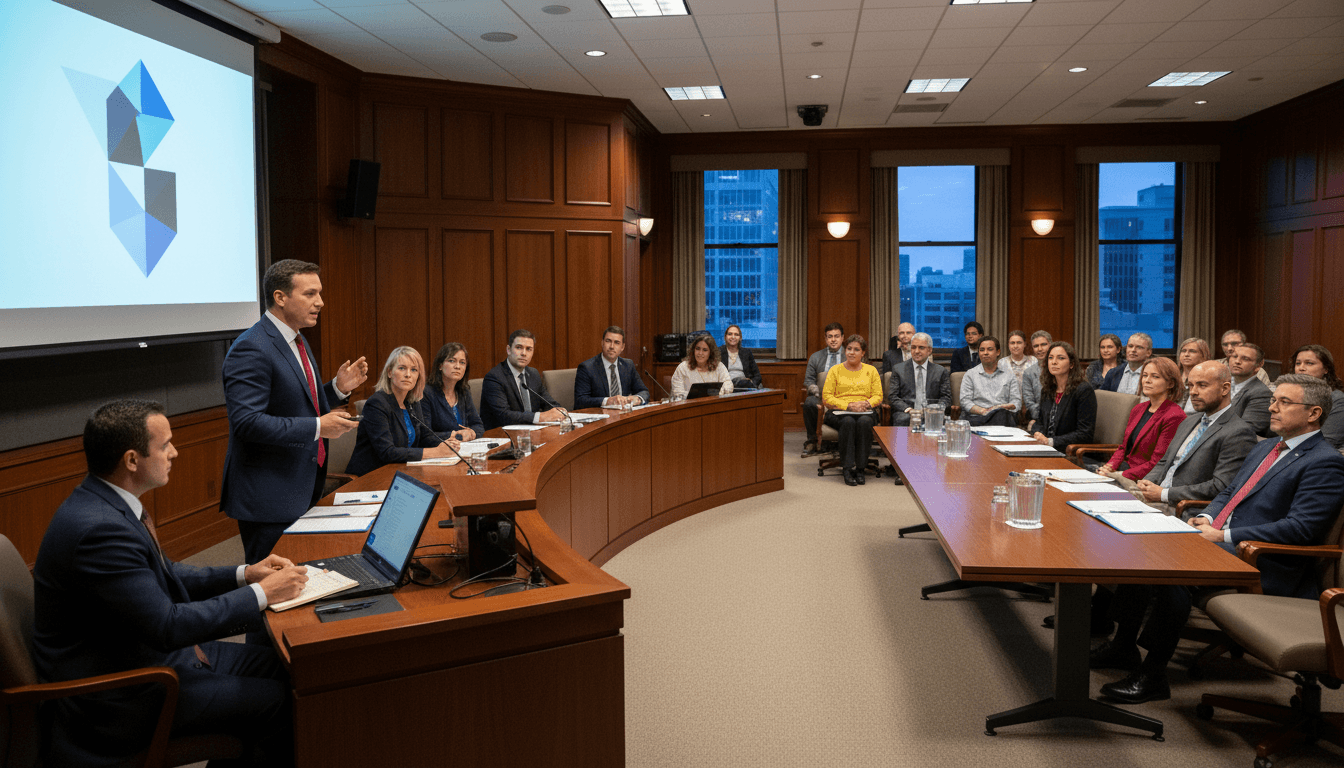
Superintendent School Board Update Newsletter: Keeping the Community Informed After Board Meetings

School board meetings are public. The minutes are public. Board decisions are public record. And yet, most families in any district know nothing about what happened at last month's board meeting unless something controversial was covered by local media.
That information gap is a problem. When families do not hear from the superintendent about board decisions, they piece together what happened from news coverage, social media, and other parents. The resulting narrative is often incomplete, sometimes inaccurate, and almost always less contextualized than what the district could provide.
A post-board-meeting newsletter is one of the highest-value, lowest-cost communication habits a superintendent can build.
Why this communication matters
Board meetings are where the most consequential district decisions are made publicly. Budget adoptions, curriculum adoptions, personnel decisions, policy changes. These decisions affect thousands of families.
When the district communicates promptly about what happened at a board meeting, it controls the initial framing. When the district is silent, someone else controls it. That dynamic is especially consequential when a board meeting includes a contentious decision.
What to include
A post-board-meeting newsletter should cover:
- Key decisions made. List and briefly explain each significant action item the board voted on. Name the item, describe what the board decided, and include the vote count. Keep each description to two to three sentences.
- Items that generated public comment. If significant public comment was offered on any item, note that briefly and reference where families can find the full recording or transcript.
- Items discussed but not voted on. Study sessions, information items, and upcoming decisions that families should know are in the pipeline.
- Superintendent's context note. For significant or controversial decisions, one paragraph from the superintendent explaining the rationale. Not defending the decision from critics. Explaining the thinking.
- Next meeting date and how to participate. When is the next board meeting and how can community members provide public comment.
What to avoid
Do not summarize routine board consent items in detail. Families do not need to know about every contract renewal or routine approval. Focus the newsletter on decisions with meaningful community impact.
Do not use the post-board newsletter to signal how the superintendent felt about board deliberations or decisions. Even when the board makes decisions the superintendent proposed and supports, the newsletter should read as neutral information delivery, not an endorsement message.
Do not omit decisions that the board made over the superintendent's recommendation. If the board voted against a superintendent recommendation, that is part of the public record and belongs in the newsletter. Omitting it will be noticed and will damage trust in the communication system.
Tone and framing
The post-board-meeting newsletter should sound like a clear, factual summary from someone who was in the room and is committed to helping the community understand what happened. Journalistic rather than promotional. Accurate rather than sanitized.
When decisions are controversial, acknowledge the controversy briefly without taking a side. "The board voted 4-3 to approve the new reading curriculum. Public comment included significant concerns about the cost of implementation. The board's rationale is summarized here. The full meeting recording is available at [link]."
Example summary section
"At the October 14 board meeting, the board took the following actions: Budget amendment approved (7-0): The board approved a $340,000 mid-year budget amendment to address unexpected special education transportation costs. A summary of the amendment is available at northfield.edu/board. Curriculum adoption approved (5-2): The board approved the adoption of a new K-5 math curriculum. The vote reflected a division over implementation timeline; board members voting against cited concerns about the accelerated rollout. The district's implementation plan, including teacher training schedule, is available at northfield.edu/curriculum. Policy review tabled (7-0): Discussion of the cell phone policy was tabled until the November 18 meeting to allow additional community input. A survey is open until November 10 at northfield.edu/survey."
That summary is specific, includes vote counts, acknowledges dissent, and points families to more information. That is the standard for a post-board communication.
Daystage delivers post-board newsletters directly to families' inboxes within hours of a meeting. The window between the meeting and the first media coverage is where your communication matters most.
Get one newsletter idea every week.
Free. For teachers. No spam.
Frequently asked questions
How quickly should a superintendent send a post-board-meeting newsletter?
Within 24 to 48 hours of the meeting. By the time most families wake up the day after a board meeting, local media and social media have already circulated selective versions of what happened. A superintendent newsletter that goes out within a day maintains the district's ability to provide accurate context.
What tone should a superintendent use when the board made a decision the community opposed?
Accurate and neutral about what the board decided, with the superintendent's brief explanation of the rationale. Do not use the post-board newsletter to relitigate the decision or criticize community opposition. Report what happened and why, clearly and without editorializing.
Should a superintendent summarize public comment in the board update newsletter?
Briefly and fairly. If public comment was significant, acknowledge that a range of community views were expressed and reference where the full recording or transcript can be found. Do not summarize individual comments or characterize the emotional temperature of the room.
What if the board meeting included a contentious vote among board members?
Report the vote count accurately. Boards vote in public on public business. Sanitizing a 3-4 vote into a description of 'board action' without noting the split misleads the community about the state of board consensus. Report it accurately and let the minutes speak for themselves.
What is the best tool for superintendents to send district newsletters?
Daystage is built for exactly this. It handles district-wide sends to thousands of families, maintains consistent branding across all schools, and delivers the newsletter inline in Gmail and Outlook, which is where parents actually read their email. Superintendents using Daystage report that families engage with district communication at much higher rates compared to portal-based tools.

Adi Ackerman
Author
Adi Ackerman is a former classroom teacher and curriculum writer with 8 years in K-8 schools. She writes about school communication, parent engagement, and what actually works in real classrooms.
More for Superintendent
Superintendent Budget Update Newsletter: Communicating Finances Without Losing Trust
Superintendent · 8 min read
Superintendent Labor Negotiations Newsletter: What to Say During Contract Talks
Superintendent · 8 min read
How to Write a Superintendent Annual State of the District Newsletter
Superintendent · 8 min read
Ready to send your first newsletter?
3 newsletters free. No credit card. First one ready in under 5 minutes.
Get started free