

Superintendent Newsletter: Strategic Plan Milestone Update
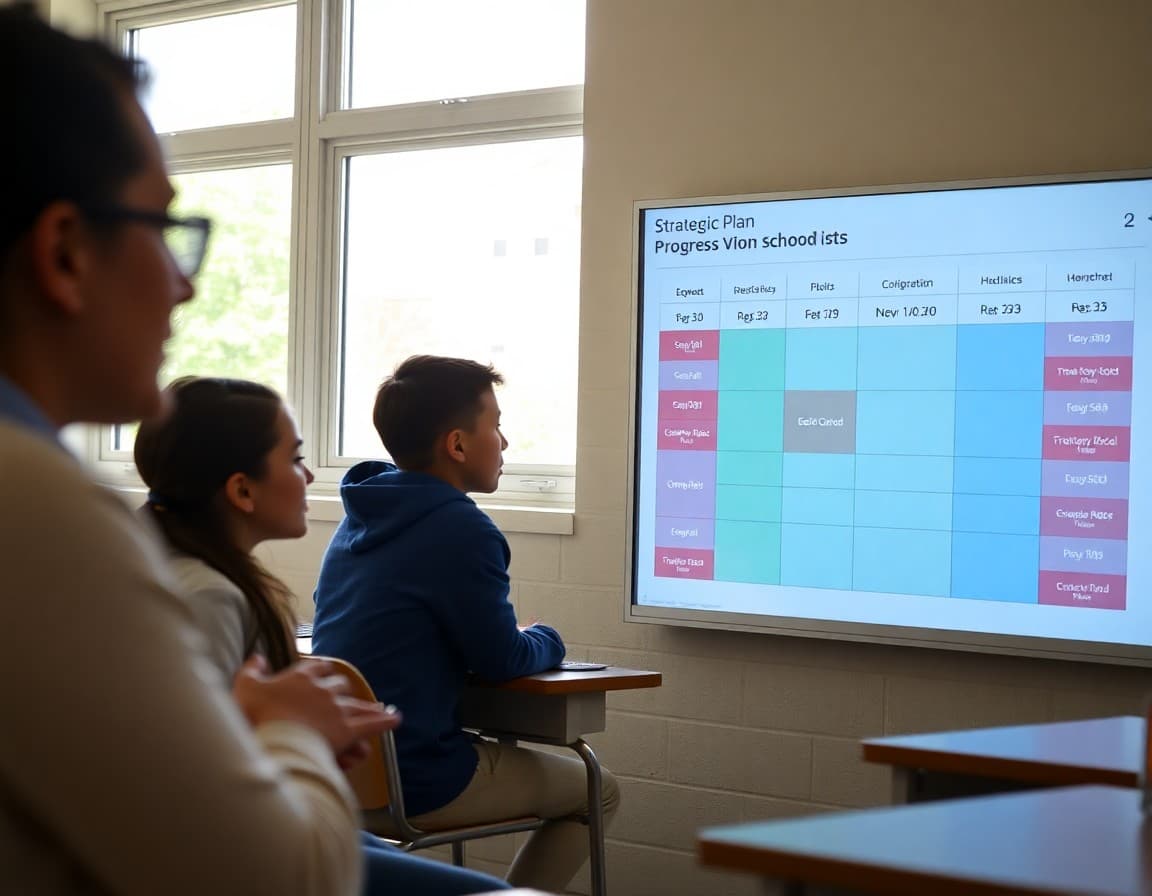
A strategic plan is only as valuable as the community's ability to see whether it is working. Regular milestone updates from the superintendent build the accountability loop that converts a published plan into a living document that drives real decisions.
Families who receive honest, specific updates on strategic progress develop a picture of the district over time that no single communication can provide.
Connect the update to the original plan
Begin by briefly reminding families of the strategic plan's core goals and when it was adopted. Not every family followed the development of the plan closely. A two-sentence context statement, such as "Our 2024-27 strategic plan set four main goals around reading, graduation, equity, and facilities," gives families the frame they need to interpret the milestone update.
Report on each goal directly
For each strategic goal, state where the district is relative to the target. Use specific numbers where possible. "We set a goal of 70% third-grade reading proficiency by 2027. We are currently at 61%, up from 54% when the plan was adopted." That sentence tells families exactly where they stand in two metrics: the target and the current position.
Acknowledge missed milestones without apology
If a milestone was not reached, say so directly. State what happened and what the response is. Was the goal unrealistic given current conditions? Was execution of the plan incomplete? Did external factors change the context? A brief, honest explanation followed by a description of the adjusted plan is far more credible than silence or minimization.
Highlight specific actions that drove progress
Name the specific investments, programs, or decisions that contributed to progress on each goal. This connects the strategic plan to the operational work families observe in their schools and in their children's education. It also gives families a sense of what the strategic plan actually does, rather than leaving it as an abstract document.
Set expectations for the next reporting period
Close by telling families what the district expects to accomplish by the next milestone update. Specific targets set before the next communication period create accountability and give families something concrete to watch for.
Sample excerpt
"We are now two years into our 2024-27 Strategic Plan. Here is where we stand on each of our four goals. Third-grade reading proficiency: target is 70% by 2027, current level is 61%, up from 54% at plan launch. Graduation rate: target is 96%, current rate is 93.4%, up from 91.8%. Equity gap reduction in math: target is a 15-point gap reduction by 2027, current reduction is 7 points. Facilities modernization: three of five planned building projects are complete. One project is delayed by 18 months due to contractor availability. We will share a full mid-year update in February with detailed data on each goal."
Daystage delivers these strategic updates directly to every family inbox at scheduled intervals, building the community understanding needed to sustain long-term support for the district's direction.
Get one newsletter idea every week.
Free. For teachers. No spam.
Frequently asked questions
How often should a superintendent send strategic plan updates to families?
At minimum twice a year: a mid-year check-in and an end-of-year results communication. If the strategic plan has major milestones occurring at other points in the year, communicate them when they occur. Families who receive regular updates develop an understanding of the district's direction that occasional communications cannot build.
What level of detail should a strategic milestone newsletter include?
Enough to tell an honest story about progress without overwhelming families with implementation details. Each goal in the strategic plan should receive two to three sentences: current status, what it means, and what is coming next. Link to a more detailed report for families who want more.
How do you communicate strategic milestones that have not been reached?
Name them directly, explain why they were not met, and describe the revised plan. Families who understand that a missed milestone triggered a genuine strategic response trust the system more than those who discover missed goals and see no acknowledgment or adjustment.
Should strategic plan communication be jargon-free?
Yes. Strategic plans are often written in language designed for board presentations. The family newsletter should translate those goals into plain language that a family with no background in education policy can understand. If a goal is about increasing third-grade reading proficiency, say that, not 'enhancing early literacy outcomes through evidence-based instructional frameworks.'
How can Daystage support ongoing strategic plan communication to district families?
Daystage makes it practical to send regular milestone updates throughout the year, formatted consistently and delivered directly to every family inbox. For a multi-year strategic plan, consistent communication is what builds the community understanding needed to sustain support across budget cycles and political changes.

Adi Ackerman
Author
Adi Ackerman is a former classroom teacher and curriculum writer with 8 years in K-8 schools. She writes about school communication, parent engagement, and what actually works in real classrooms.
More for Superintendent
Ready to send your first newsletter?
3 newsletters free. No credit card. First one ready in under 5 minutes.
Get started free