

Superintendent Newsletter: Our District's Commitment to the Science of Reading
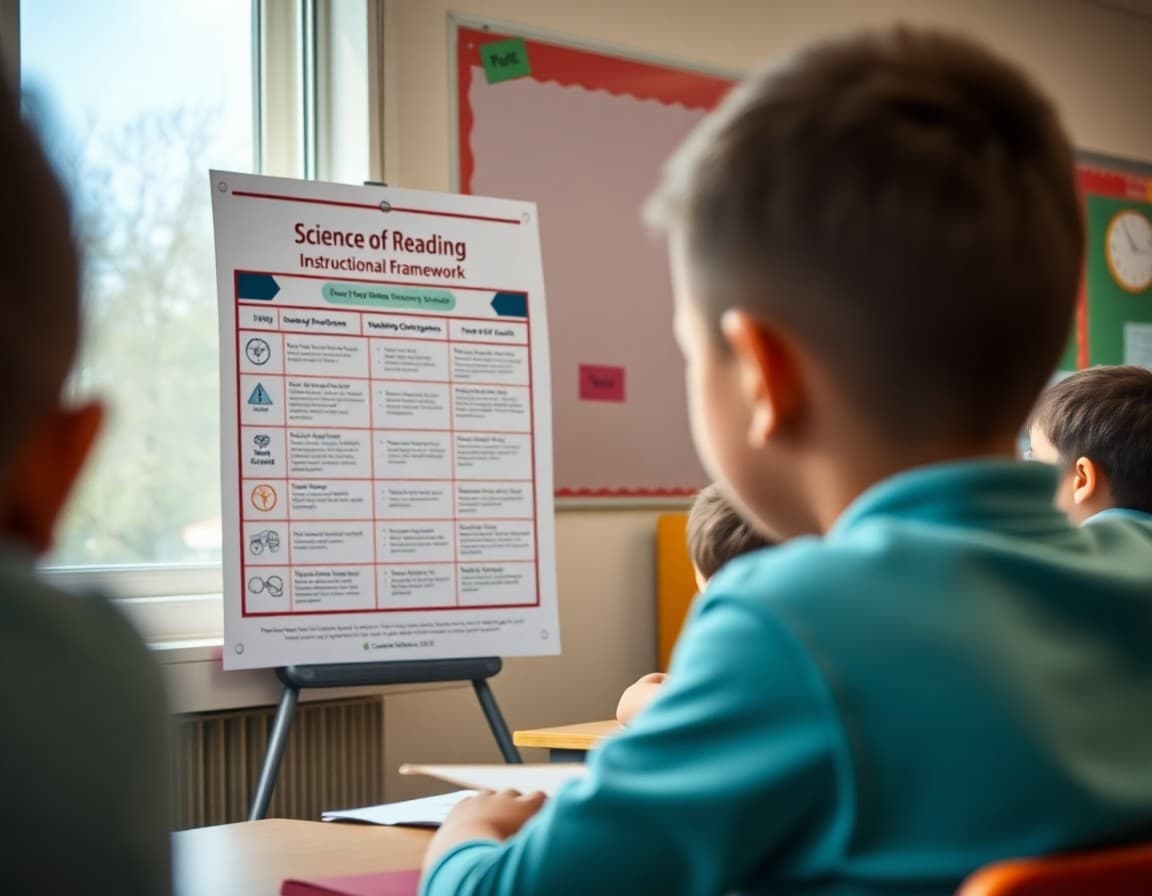
The science of reading shift is one of the most significant instructional changes many districts have made in a generation. Families deserve to understand what is changing, why the change was necessary, and what it means for their child's learning. A superintendent newsletter that explains the science of reading honestly and accessibly builds the community confidence that makes the implementation stronger. One that hides behind jargon or avoids the harder questions leaves families confused and skeptical at exactly the moment they need to be engaged.
Open With the What and Why
Start with the core message: the district is adopting a reading instruction approach grounded in the science of reading, and the reason is that research consistently shows this approach produces stronger outcomes for more students, particularly those who struggle to read. Name the curriculum or approach being adopted. Tell families this represents a meaningful change from previous practice and explain at a high level what is different: the emphasis on systematic phonics, the use of decodable texts, and the explicit instruction in phonemic awareness that many previous programs did not include sufficiently.
Explain What the Research Actually Shows
Families who understand the research are more supportive of the change. Give them a plain-language summary. Most children do not learn to read through exposure to books alone. Reading requires learning an explicit code: which sounds map to which letter combinations. That code must be taught directly and systematically. Decades of cognitive science and educational research support this conclusion. The reading wars of the 1990s and 2000s are largely settled on this point. Our district is moving our practice in line with that evidence.
Describe What Families Will Notice in Their Child's Classroom
This section matters enormously for family confidence. Tell families what changes they will see at home: different books coming home with more predictable letter-sound patterns (decodables), explicit phonics homework that looks more structured than previous reading work, different vocabulary for talking about reading (phonemes, graphemes, blends). Families who are prepared for what they will see in their child's learning are far less alarmed by changes than those who encounter them without context.
Address the Previous Approach Honestly and Without Vilifying It
Many families have been helping their children with reading homework that reflected the previous approach. Tell them honestly: the previous curriculum was not wrong to value reading comprehension, vocabulary, and love of books. What it underemphasized was systematic phonics, which the research shows is essential for developing accurate, fluent readers. This is not a story of a bad curriculum being replaced by a good one. It is a story of a field updating its practice based on evolving evidence.
A Sample Science of Reading Explanation Paragraph
Here is accessible language that explains the shift:
This fall, all K-3 classrooms will transition to structured literacy, an instructional approach grounded in decades of cognitive science research on how children learn to read. The core principle is that reading requires explicit, systematic phonics instruction. Children must be taught directly how written letters map to spoken sounds, rather than learning to guess at words from context clues or pictures. Our new curriculum provides a structured daily sequence of phonics instruction, decodable texts that reinforce the specific sounds students are learning, and regular assessment to make sure every student is building skills in the right order. Teachers completed 30 hours of training this summer and will receive monthly coaching support throughout the year. Families will receive a guide in September explaining what science of reading instruction looks like at each grade level and how to support it at home.
Name the Teacher Preparation Component
The science of reading is not just a curriculum. It is a knowledge base about how reading develops that many teachers were not taught in their preparation programs. Tell families how teachers have been trained, what ongoing support they are receiving, and what the district is doing to ensure consistent implementation. Teachers who are well-supported in implementing the new approach produce results. Teachers who are given a new curriculum without adequate preparation struggle, and families eventually feel those struggles in their child's progress.
Address Students Who Are Already Behind
Some students in the district are in upper grades and still have foundational reading gaps that the previous approach did not close. Tell families what the district is doing for those students. Structured literacy instruction can be adapted for older students with gaps. Name the programs, the interventions, and the commitment to not leaving behind students whose foundational development was inadequately supported in earlier grades.
Tell Families How You Will Measure Success
Close by naming the metrics the district will use to evaluate whether the science of reading implementation is working. Third-grade reading proficiency rates, early literacy screening scores, and the trajectory of students who received structured literacy from kindergarten are all relevant measures. Commit to sharing data with families at regular intervals. A shift this significant should produce measurable results within two to three years. Families who know you are tracking and reporting outcomes hold the district accountable to the promise the science of reading adoption makes.
Get one newsletter idea every week.
Free. For teachers. No spam.
Frequently asked questions
What is the science of reading and how should a superintendent explain it to families?
The science of reading refers to a body of research on how the brain learns to read, which consistently shows that explicit, systematic phonics instruction is essential for developing readers. A superintendent can explain it as: the research shows that most children do not learn to read naturally or by guessing at words. They need direct, structured instruction in how letters connect to sounds. Our district is committing to that approach for every student.
What should a science of reading newsletter include?
What the district is changing and why, how the new approach differs from what was used before, what the research basis is, how teachers are being trained, what families should expect to see change in their child's classroom and homework, and what the district's plan is for measuring whether the shift is working.
How do you handle parent concerns about changing reading instruction methods?
Acknowledge the concerns directly. Some families invested significantly in supporting the previous approach at home. Explain that the research shift is about effectiveness, not failure. Most reading curricula that preceded the science of reading shift were not deeply harmful. They were just less effective than structured literacy for a significant portion of students. The district is making a better evidence-based choice.
What should a superintendent say about students who struggled with the previous reading curriculum?
Acknowledge that some students were underserved by approaches that did not include sufficient explicit phonics instruction. Tell families what the district is doing for those students now: catch-up programs, additional instruction, and specific support for older students who still have foundational gaps. Avoid blame but do not avoid accountability.
What platform helps reach every family with a structured literacy update across a large district?
Daystage makes it easy to send a comprehensive, formatted newsletter to every school family simultaneously. For a shift as significant as reading instruction methodology, consistent messaging that reaches every family at the same time prevents the misinformation and variation that occurs when schools communicate individually.

Adi Ackerman
Author
Adi Ackerman is a former classroom teacher and curriculum writer with 8 years in K-8 schools. She writes about school communication, parent engagement, and what actually works in real classrooms.
More for Superintendent
Ready to send your first newsletter?
3 newsletters free. No credit card. First one ready in under 5 minutes.
Get started free