
Superintendent Newsletter: What I Saw During My School Visits
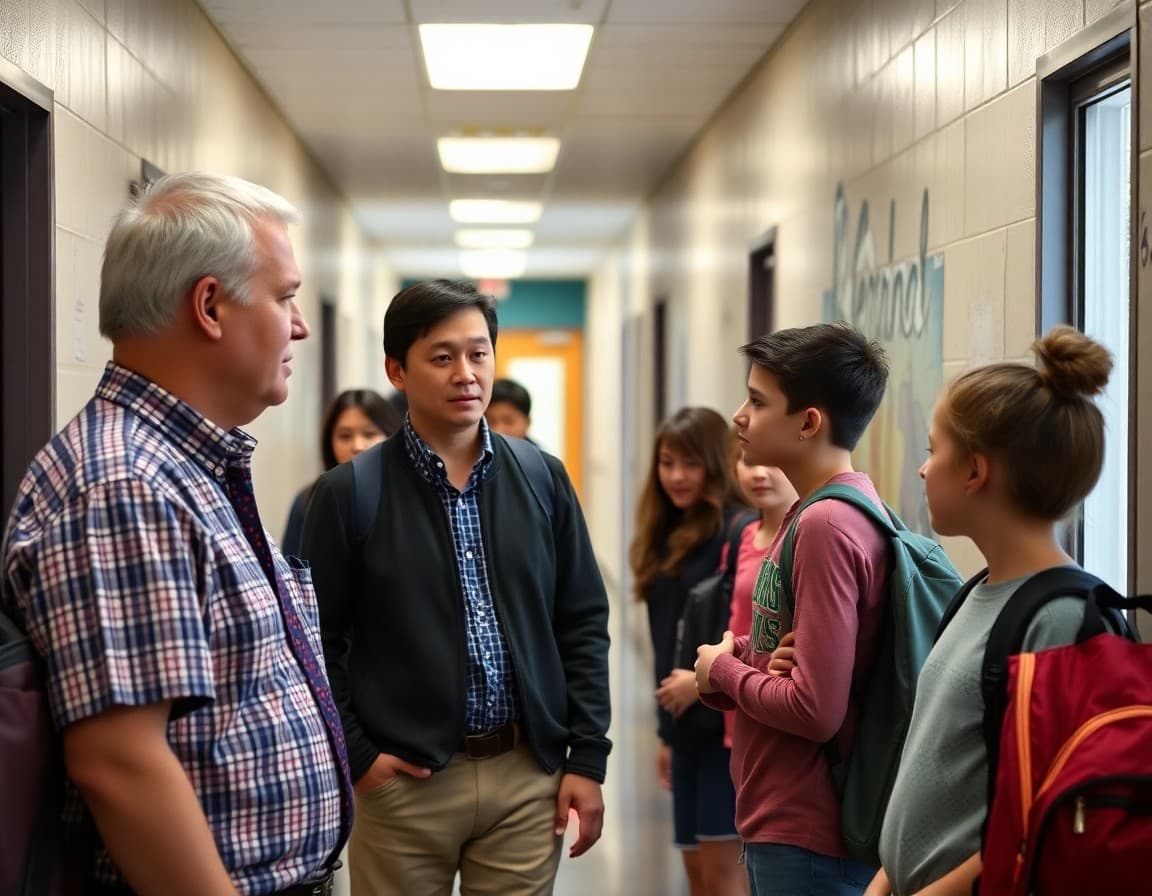
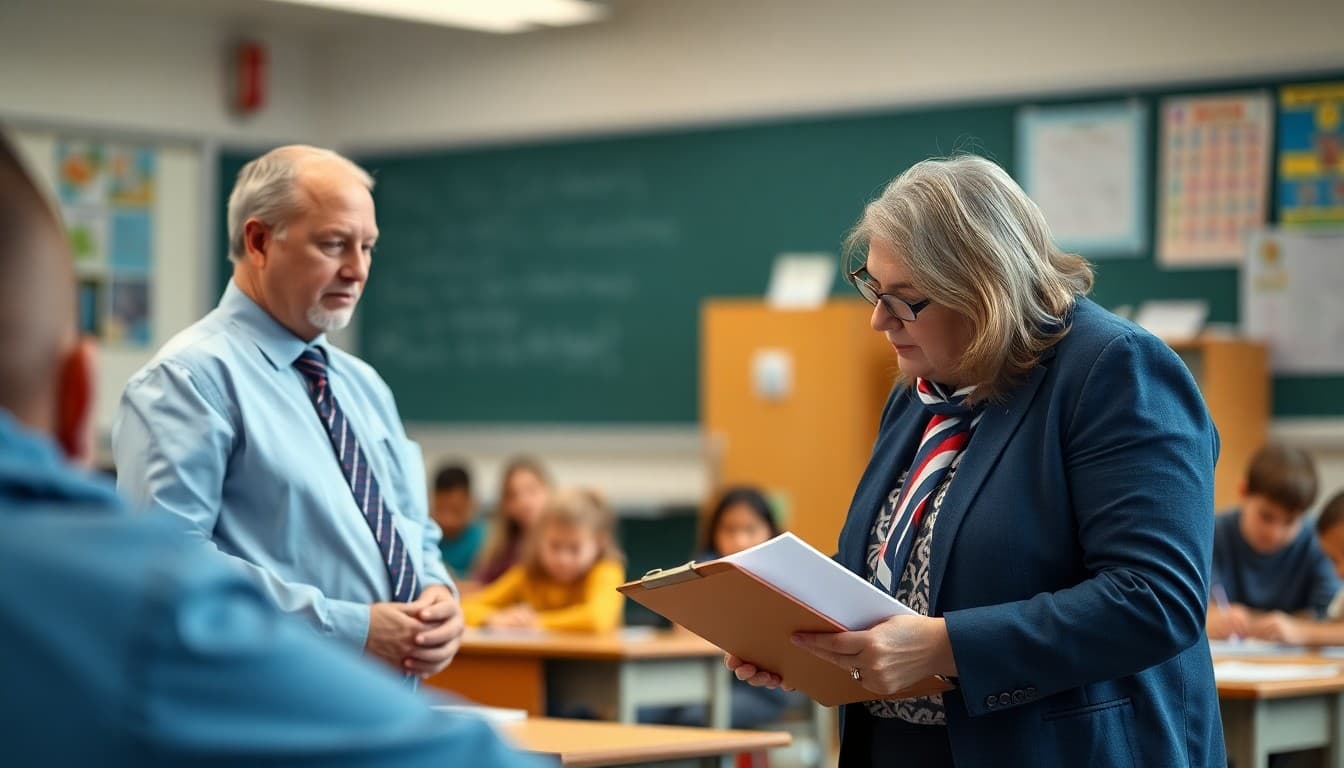
One of the most valuable things a superintendent can communicate to families is what they actually see when they walk into schools. Not what the data shows, not what the strategic plan says, but the specific, observed reality of teaching and learning happening in classrooms right now.
A school visit newsletter written in genuine first person is the kind of communication families actually remember.
Describe what prompted the visits
Open by briefly noting why you visited when you did. Were you following up on a specific goal the district is working on? Checking in on a new curriculum that launched this fall? Visiting schools you had not been to recently? The context helps families understand the purpose of the observation and prepares them for the type of observations that follow.
Name the schools you visited
Be specific. Name the schools, the grade levels observed, and the rough timeframe. Families at those schools will read the newsletter differently when they know their school is mentioned. Families at other schools will take note of which schools were visited and wonder when their school will be featured.
Describe two or three specific classroom moments
This is where the newsletter earns its value. Not a general description of "engaged students" and "dedicated teachers" but specific descriptions of specific moments. A second-grade class where students were debating the protagonist's decision in a picture book with more sophistication than many adults manage. A seventh-grade science lab where students were designing their own experiments with real equipment and genuine curiosity. A high school advisory period where a student told their group something honest and the room listened.
Connect what you saw to the district's priorities
Note how what you observed reflects the district's instructional commitments. If you saw structured literacy instruction happening exactly as designed in kindergarten classrooms, say so. If you saw the new math curriculum being implemented with strong student discourse, note it. This connection validates the district's investment and tells families that the initiatives they hear about are actually showing up in classrooms.
Name what you are still looking for
If something you hoped to see was not yet consistently present, mention it honestly. A superintendent who notes that student voice was less evident than hoped in certain schools signals that the visits were substantive rather than ceremonial. That honesty builds credibility with the observations that are positive.
Sample excerpt
"I spent two days visiting five schools last week, specifically to observe how the new reading curriculum is being implemented in our K-3 classrooms. At Lincoln Elementary, I sat in on three first-grade classes. In each one, I saw students working with decodable texts that matched where they are in their phonics progression. In Mrs. Garcia's class, I watched a student who struggled with reading last year confidently sound out a new word and look up with visible pride. At Jefferson Middle School, I checked in on the new advisory program. In one sixth-grade group, students were discussing a conflict from earlier in the week. The conversation was real. The teacher facilitated without dominating. That is what belonging looks like when it is being built deliberately."
Daystage delivers this personal, observational newsletter directly to every family inbox, giving every family the kind of inside view of their district that most never get to see.
Get one newsletter idea every week.
Free. For teachers. No spam.
Frequently asked questions
What is the value of a superintendent school visit newsletter for families?
Families rarely see inside classrooms or understand what a superintendent actually does with their time. A newsletter that describes specific classroom observations makes the district's educational vision tangible and human. It also signals that the superintendent is engaged with what happens in schools, not confined to the central office.
How often should a superintendent send a school visit newsletter?
Two to three times per year is enough to give families a sense of the superintendent's presence in schools without over-communicating. The best timing is after a period of intensive visits, when there is enough material for specific, interesting observations.
How do you write about classroom observations without violating student or teacher privacy?
Describe what you observed without naming individual students in ways that could be identifying. Teachers should know their classroom may be referenced in district communications. Brief descriptions of instructional practices, student engagement, or school atmosphere can be written without personal disclosure.
What makes a school visit newsletter worth reading?
Specificity. Name the school. Describe the classroom. Say what the students were doing. Quote something a teacher or student said. Tell families what you noticed that surprised you or confirmed something you believe. Generic observations about great teachers and engaged students do not tell families anything they could not have assumed.
How does Daystage support school visit communication to all district families?
Daystage delivers this personal, observational newsletter to every family inbox simultaneously. For a communication that relies on voice and authenticity, the direct inbox delivery ensures it lands with every family at once rather than waiting to be discovered.

Adi Ackerman
Author
Adi Ackerman is a former classroom teacher and curriculum writer with 8 years in K-8 schools. She writes about school communication, parent engagement, and what actually works in real classrooms.
More for Superintendent
Ready to send your first newsletter?
3 newsletters free. No credit card. First one ready in under 5 minutes.
Get started free