
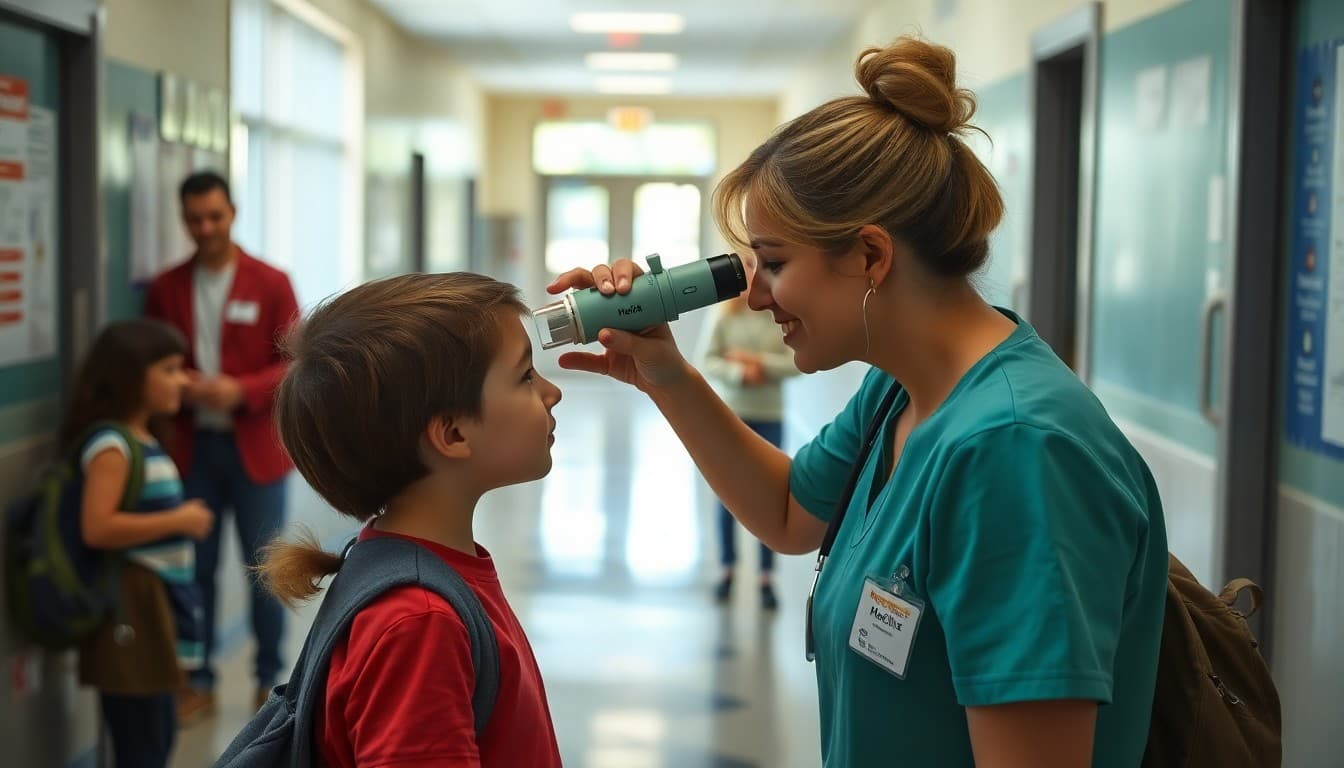
Superintendent Newsletter: School Health Program Update

Health is a prerequisite for learning. Students who have unaddressed vision problems, untreated hearing loss, or unmanaged health conditions face learning barriers that no instructional improvement can overcome. A superintendent who communicates clearly about school health services helps families access resources that directly affect their child's ability to succeed in school.
Describe what health services are available at each school level
What health staff does the district employ? Full-time school nurses? Health aides? Part-time nursing coverage on a rotational basis? What does that mean in practice for a student who becomes ill during the day or needs medication administered?
Families whose child attends a school without a full-time nurse need to know how health needs are covered. Families whose child has ongoing health needs need to know who is managing them.
Describe the screening programs
What health screenings will students receive this year? Vision and hearing screenings are standard at certain grade levels. Scoliosis screening typically happens in middle school. Describe the schedule, the process, and what families should expect if their child's screening indicates a concern.
Name any health services available at no cost
If the district provides free health screenings, immunizations, or access to a school-based health clinic, name these explicitly. Many families do not access these services because they assume they cost money or that they are only for families who qualify. Direct language about cost and eligibility increases utilization.
Describe immunization requirements
Briefly note the state immunization requirements for school enrollment and where families can get immunizations if their child is not up to date. Include any exceptions or waiver processes. Families who understand the requirements and their options avoid enrollment complications.
Note the privacy protections in place
Student health information is protected under federal law. A brief sentence noting that health records are kept confidential and are not shared without parent consent, except in defined emergency circumstances, addresses the privacy concerns that sometimes prevent families from sharing health information with schools.
Sample excerpt
"This year, every district school has at least part-time registered nurse coverage, and our nine largest schools have full-time nurses on site. All students in kindergarten, first grade, and fifth grade will receive vision and hearing screenings in October. Families will be notified directly if a screening indicates a need for follow-up. We also provide free immunizations at our three community school sites, available to any district family. Student health records are confidential and are not shared with any third party without parent consent. If your child has a health condition that requires medication or accommodation at school, contact your school nurse before the first day."
Daystage delivers this health program update to every family inbox in the district, ensuring that every family knows what is available and how to access it for their child.
Get one newsletter idea every week.
Free. For teachers. No spam.
Frequently asked questions
What should a school health program newsletter include?
What health services are available at each school, the credentials and roles of health staff, any changes or expansions to health services this year, how families can access health screenings and services, what immunization requirements apply for enrollment, and any district-wide health initiatives underway.
How do you communicate about health services in a way that reaches families with the greatest health access barriers?
Send the newsletter in multiple languages, write at an accessible reading level, and specifically note when services are available at no cost to families. Families who face health access barriers are most likely to benefit from school-based services but also most likely to assume those services are not for them without an explicit invitation.
What health screenings do most districts conduct and how should they be communicated?
Common school-based screenings include vision, hearing, and scoliosis checks, as well as health assessments for students entering kindergarten and certain other grades. The newsletter should describe what screenings will be conducted, when, and what happens when a student is flagged for follow-up.
Should the school health newsletter address student privacy around health information?
Yes. Briefly note that student health information is protected under FERPA and HIPAA and that the district does not share individual health information without parent consent. Families who have concerns about privacy deserve to have them addressed proactively.
How does Daystage support school health communication to all district families?
Daystage delivers the health program newsletter to every family inbox in the district simultaneously. For health communications specifically, reaching families who are least likely to seek out information from the district website is the highest-priority distribution goal.

Adi Ackerman
Author
Adi Ackerman is a former classroom teacher and curriculum writer with 8 years in K-8 schools. She writes about school communication, parent engagement, and what actually works in real classrooms.
More for Superintendent
Ready to send your first newsletter?
3 newsletters free. No credit card. First one ready in under 5 minutes.
Get started free