

Superintendent Newsletter: Celebrating Graduation Rate Improvements
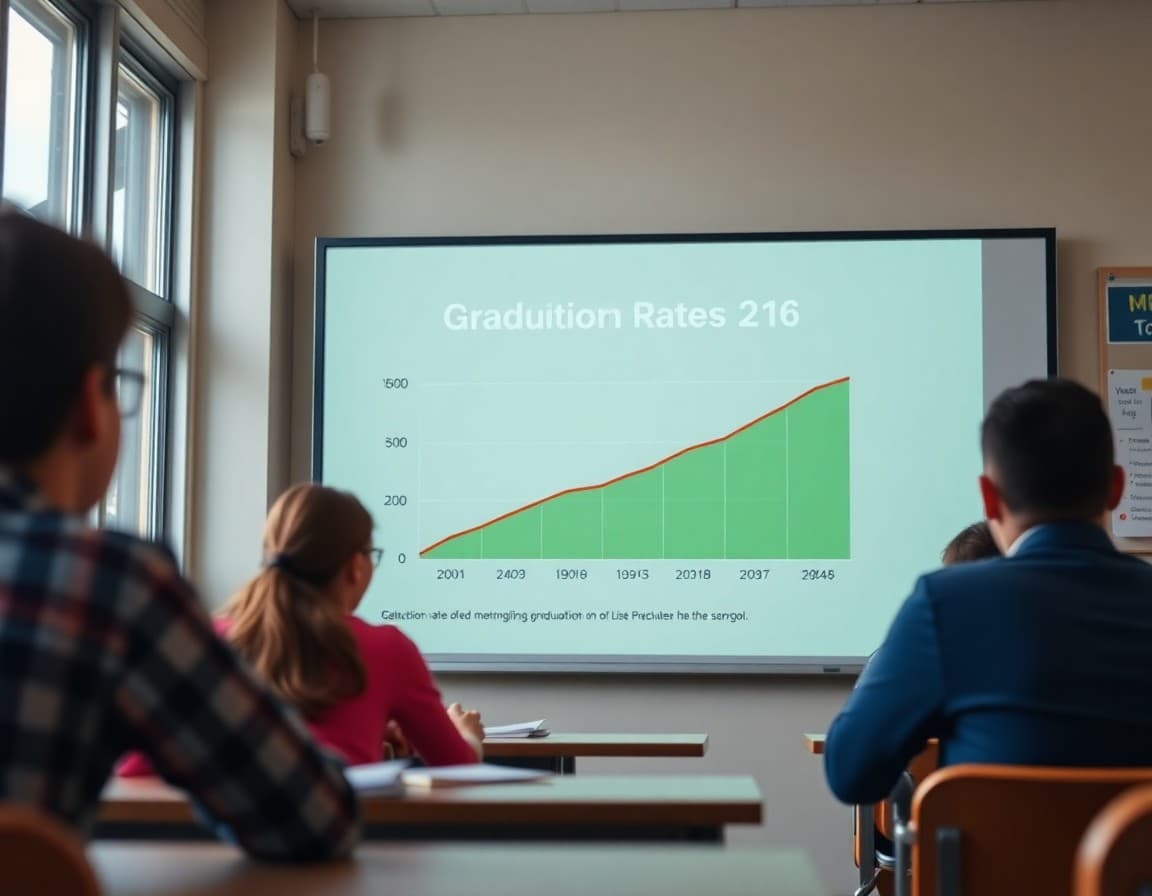
A graduation rate improvement is exactly the kind of news a superintendent should communicate with specificity and care. Families want to know what changed, who made it happen, and what comes next. A vague celebration letter misses the opportunity to build real trust. A letter grounded in data and specifics turns a good result into a foundation for continued progress.
Open With the Number and What It Represents
Start with the graduation rate, the change from last year, and the number of additional students who earned a diploma. "Our graduation rate increased from 84 to 88 percent this year. That means 47 more students walked across the stage who would not have four years ago." That framing shifts the conversation from a statistic to a human outcome, which is the right frame for this kind of communication.
Give Credit to the People Who Did the Work
Name the interventions, programs, and teams that contributed. If a new senior advisory program supported at-risk students through their final semester, say so. If the district hired additional credit recovery coaches two years ago and the results are showing now, connect those dots. Staff and families both deserve to understand what caused the improvement, not just that it happened. Credit without explanation feels hollow. Credit with evidence feels earned.
Break Down the Data by Subgroup
Overall graduation rate gains can mask significant variation by student population. If gains were concentrated in one subgroup while another remained flat, say that. Families from communities that have historically had lower graduation rates are paying close attention to whether the improvement includes their children. Disaggregated data builds trust with those families and signals that the district is not satisfied with average-level progress when gaps still exist.
Acknowledge the Students Who Are Still Falling Short
A 4 percentage point gain is meaningful. But if the district graduated 88 percent of students, 12 percent did not graduate. That number represents real students. Acknowledging it shows that the celebration is not complete. A brief paragraph naming the populations who are still off track and the specific interventions designed to reach them demonstrates that the district has not declared victory prematurely.
Connect This to the Broader Strategic Direction
Situate the graduation rate improvement within a larger goal. If the strategic plan included a goal to reach a 90 percent graduation rate by a specific year, tell families how close the district is and whether the trajectory is on track. This keeps the newsletter from feeling like a one-off announcement and connects it to the ongoing work the community already knows about.
A Sample Celebration Paragraph
Here is language that celebrates the result without overstating it:
This year, 1,204 students graduated from our high schools, an increase of 47 from last year. Our four-year graduation rate reached 88.2 percent, up from 84.1 percent last year and above the state average of 86.5 percent. We are especially proud that the graduation rate for our students with disabilities increased by 6 points, from 71 to 77 percent, reflecting two years of focused support from our special education transition team. We still have meaningful work to do. Eleven percent of our students who started ninth grade four years ago did not graduate on time. We remain committed to reaching them through our extended graduation support program.
Celebrate Without Abandoning Urgency
The best graduation rate newsletters hold two things at once: genuine pride in what was accomplished and clear-eyed acknowledgment that the work is not finished. That combination is what distinguishes a superintendent who communicates with integrity from one who sends a press release. Families know that graduation rates are complex. Treating them as if they do not already understand that will cost you credibility.
Plan the Next Communication Before You Send This One
Before distributing the graduation rate announcement, know when you will follow up. If the district is launching a new program aimed at reaching the remaining 12 percent, name it and tell families when they will hear more. Ending the letter with a forward-looking commitment signals that this newsletter is not the end of the conversation. It is one update in a long-running dialogue about student success.
Get one newsletter idea every week.
Free. For teachers. No spam.
Frequently asked questions
When should a superintendent send a graduation rate newsletter?
The best time is immediately after the state releases official graduation data, typically in the fall. Families and staff are waiting for results, and being the first to share the news with context positions the superintendent as transparent and proactive. Do not wait for the state to publish data on their website before families see it.
How do you write about graduation rates without overstating the results?
Share the actual percentage, the change from the prior year, and how the district compares to the state average. Avoid superlatives like 'historic' or 'unprecedented' unless the data genuinely supports it. Families respond better to honest framing than to marketing language applied to academic results.
What should a superintendent include beyond the graduation rate number?
Break down the rate by subgroup if the disaggregated data shows meaningful progress. Credit specific programs or staff who drove the improvement. And acknowledge students who are still not crossing the finish line, with a brief explanation of what the district is doing to close remaining gaps.
How do you handle a graduation rate that is improving but still below average?
Be direct about where the district stands. Name the gap. Then explain what changed this year, what is working, and what the realistic next milestone is. Communities respect superintendents who treat them as adults capable of holding two truths at once: real progress was made, and there is still meaningful work ahead.
What platform makes it easy to share graduation data newsletters across a large district?
Daystage allows district communications teams to publish a single newsletter to all schools at once, with consistent formatting and district branding. You can include charts, celebrate staff by name, and make sure every family gets the same accurate information on the same day.

Adi Ackerman
Author
Adi Ackerman is a former classroom teacher and curriculum writer with 8 years in K-8 schools. She writes about school communication, parent engagement, and what actually works in real classrooms.
More for Superintendent
Ready to send your first newsletter?
3 newsletters free. No credit card. First one ready in under 5 minutes.
Get started free