
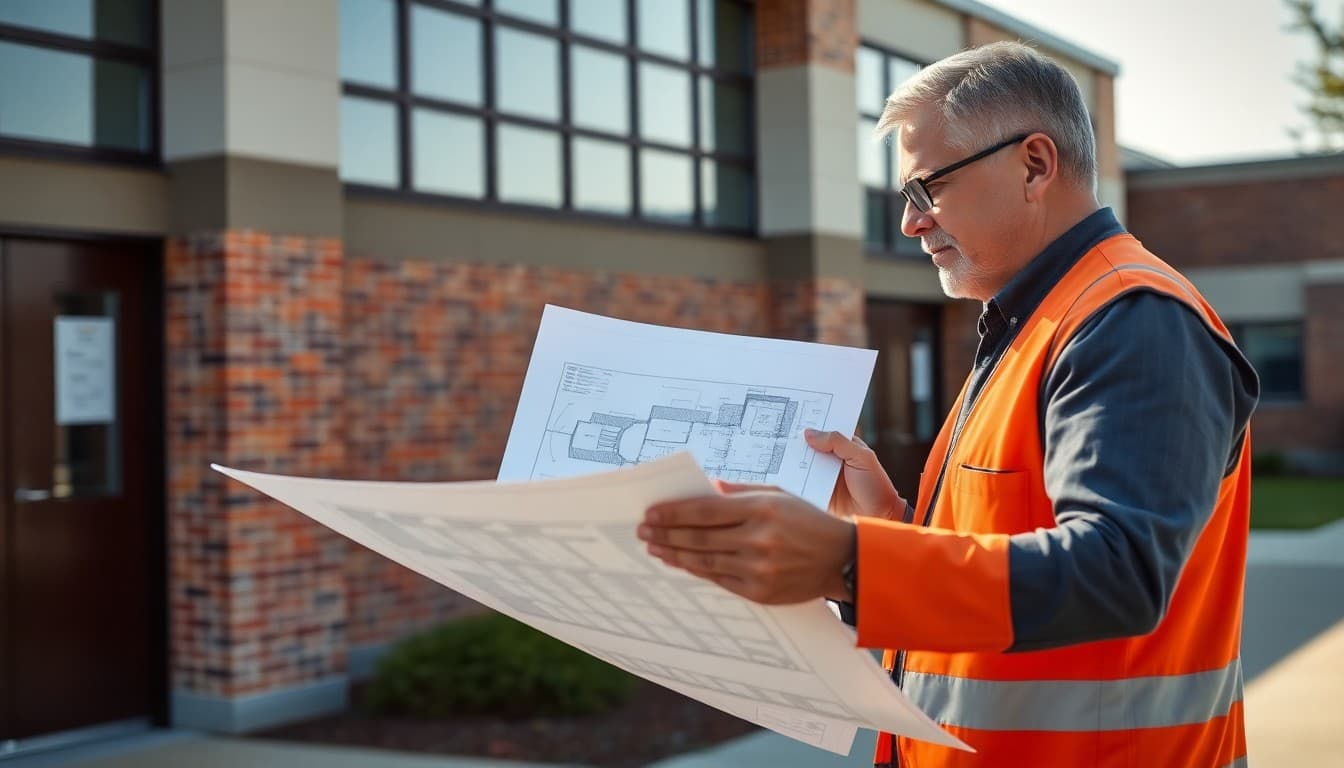
Superintendent Newsletter: Our Facilities Master Plan Update
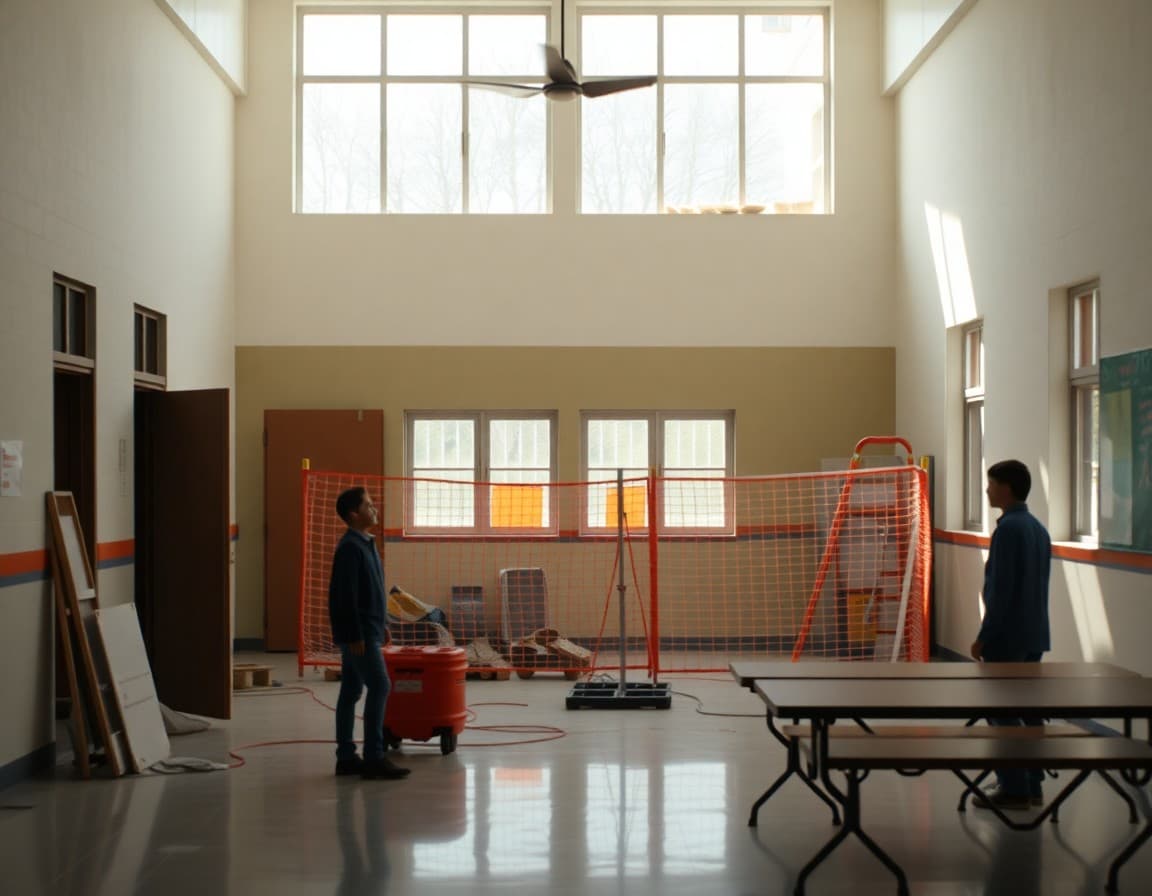
School buildings are the physical environment where students spend a third of their waking hours. Their condition affects learning, safety, and the message a community sends about how much it values education. A superintendent who communicates honestly about facilities, including the buildings that need the most work, builds the community understanding needed to fund and support improvements.
Describe the current condition of district facilities
Open with an honest assessment. What percentage of district buildings are in good condition, fair condition, or poor condition? If a facilities assessment was conducted, reference its findings and year. Families deserve to know whether their child is in a building that is well-maintained or one that is overdue for significant investment.
Name the most significant needs
Name the specific schools with the most urgent needs and describe what those needs are. HVAC systems at the end of their useful life. Roofs that are past replacement age. Plumbing or electrical systems that are failing. Accessible parking and building entrances that do not meet current ADA standards. Specific needs are more credible and more motivating than general references to aging infrastructure.
Describe the master plan priorities
How does the facilities master plan sequence the work? What gets addressed first and why? If the sequencing is based on safety, urgency of system failure, or equity in serving schools that have been historically underinvested, say so. Families who understand the prioritization logic are more confident in the plan.
Explain how the plan will be funded
Can the work be funded within the existing operating budget? Is a bond measure needed? Are there federal grants or state facility funds available? Families who understand the funding reality can be meaningful advocates for the investment decisions the district needs to make.
Describe what families can expect at their school
For each school level or zone of the district, briefly note which projects are planned and in what timeframe. Families whose school is scheduled for renovation want to know when construction will begin, how long it will last, and what the disruption to their child's daily experience will be.
Sample excerpt
"Our district's facilities assessment identified that 8 of our 14 school buildings have at least one major system that is past its expected useful life. The most urgent: the HVAC systems at Lincoln Elementary and Central Middle School, which affect both comfort and air quality for approximately 1,400 students daily. Our facilities master plan addresses the most urgent needs first. The Lincoln HVAC replacement is funded within the current budget and will be completed this summer. The Central Middle School project requires bond funding; we will bring a bond measure proposal to the board in October. Families at both schools will receive detailed construction and timeline communications from their principals before work begins."
Daystage delivers this facilities communication to every family inbox in the district simultaneously, ensuring that every family has equal access to the information that shapes their understanding of the district's physical investment in their children.
Get one newsletter idea every week.
Free. For teachers. No spam.
Frequently asked questions
What should a facilities master plan newsletter communicate to families?
The overall condition of district buildings, which schools need the most investment, what the master plan prioritizes and over what timeline, how the plan will be funded, and what families will see change at each school over the next several years.
How do you communicate about facilities conditions that are poor without alarming families about safety?
Distinguish between functional deficiencies and safety hazards. A school with aging HVAC equipment that makes rooms uncomfortable is a different concern from a building with structural issues. Be specific about what the condition is and what risk, if any, it presents. Vague language about poor conditions creates more anxiety than specific descriptions.
How transparent should a superintendent be about which buildings are in the worst condition?
Fully transparent. Families whose children attend schools in the worst condition already know from their daily experience. Acknowledging the condition publicly and presenting a credible investment plan builds far more trust than downplaying or ignoring the disparity.
How do you build community support for a bond measure to fund facilities improvements?
A facilities master plan newsletter that honestly describes building conditions, the cost of addressing them, and the impact on students is one of the most effective pre-bond communication tools available. Voters who understand what is at stake, presented by a credible superintendent, are more likely to support the investment.
How can Daystage support facilities plan communication to all district families?
Daystage delivers the facilities newsletter to every family inbox simultaneously. For a communication with significant community investment implications, reaching every family at the same time with the same information prevents the misinformation and rumor that often shapes community opinions on facilities issues.

Adi Ackerman
Author
Adi Ackerman is a former classroom teacher and curriculum writer with 8 years in K-8 schools. She writes about school communication, parent engagement, and what actually works in real classrooms.
More for Superintendent
Ready to send your first newsletter?
3 newsletters free. No credit card. First one ready in under 5 minutes.
Get started free