

Superintendent Newsletter: Expanding Early Childhood Education
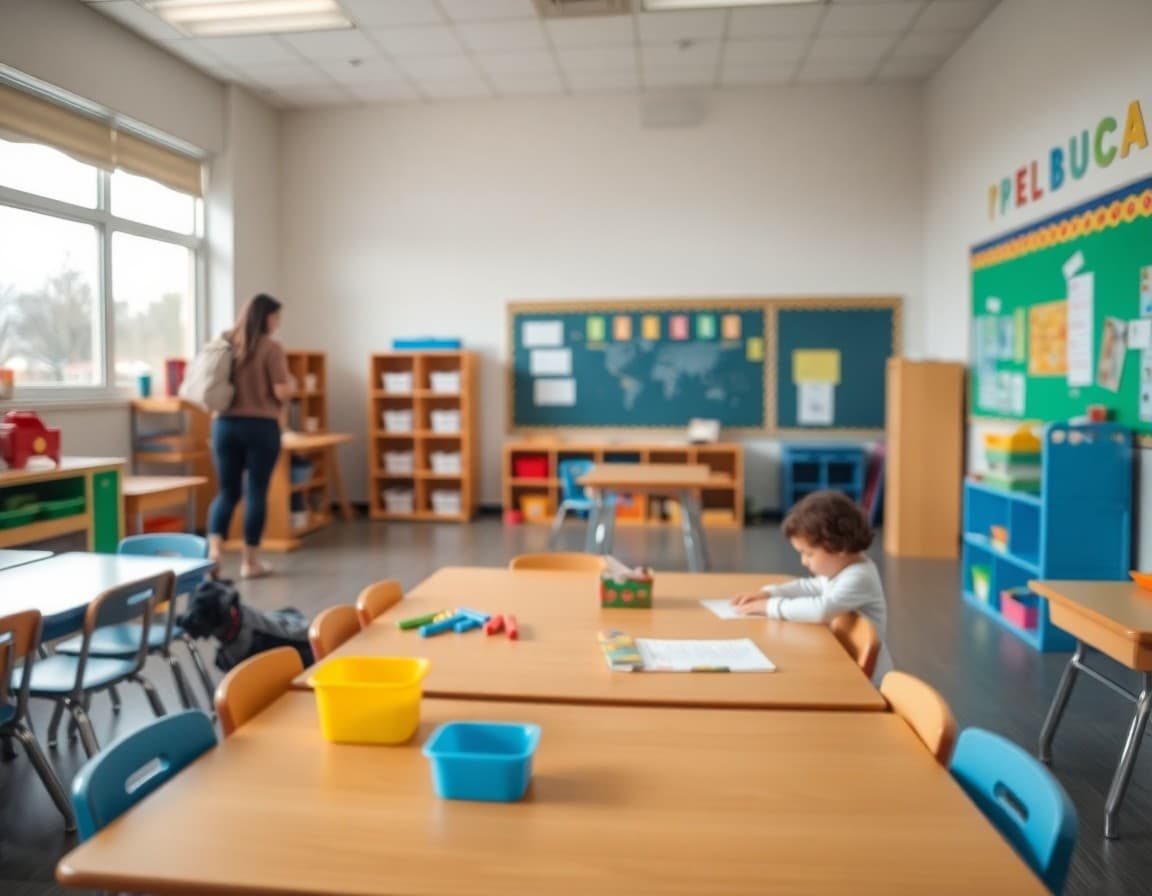
High-quality early childhood education is one of the highest-return investments a school district can make. The research is unambiguous: children who participate in high-quality pre-K programs enter kindergarten with stronger social-emotional skills, language development, and school readiness. They are less likely to need special education services, less likely to be held back, and more likely to graduate on time. Announcing an expansion of early childhood programs is genuinely exciting news for families and for the district's long-term outcomes.
Open With the Expansion and Who It Benefits
Lead with the specific change: how many new classrooms or sites are opening, what ages are served, and when enrollment begins. "Starting this fall, we are opening six new pre-K classrooms at five elementary schools, adding 90 seats for three and four-year-olds in our community." That sentence tells families with young children exactly whether this applies to them. Every word in the opening is in service of that practical question.
Describe the Program Approach
Tell families what the program actually looks like. A high-quality pre-K is not a scaled-down version of kindergarten. Describe the play-based learning approach, the social-emotional curriculum, the language and literacy components, and the outdoor and sensory learning opportunities. Tell them how many hours per day and per week. Tell them how many students are in each classroom and how many adults. Families who can picture the program are more confident enrolling their child than those who imagine something generic.
Explain Eligibility and Prioritization
Many early childhood programs have eligibility criteria: income thresholds for subsidized seats, age cutoffs, residency requirements, or priority categories for students experiencing homelessness or children with developmental needs. Name every eligibility category clearly. If there are more applicants than seats, explain the lottery or priority process. Families who understand the eligibility criteria in advance are less frustrated by the enrollment process than those who apply and are surprised by the criteria they did not know existed.
Address Cost and Free Eligibility
If some or all seats are free based on income, describe the eligibility thresholds and the documentation families need to apply. If some families pay a fee, give the amount and any sliding scale. If the program is free for all families in the district, say that prominently. Cost is the first question many families have about early childhood programs. Making the answer clear prevents families from self-selecting out of a program they might have qualified for.
A Sample Early Childhood Expansion Paragraph
Here is a paragraph that covers the announcement with the information families need:
We are excited to announce the expansion of our district pre-K program to four additional elementary schools this fall: Jefferson, Lincoln, Madison, and Roosevelt. We are adding 80 new seats for four-year-olds, bringing our total pre-K enrollment capacity to 320 students. Our program is a full-day, play-based curriculum aligned with state early learning standards. Each classroom has 20 students, one certified early childhood teacher, and one paraprofessional. The program is free for families that meet income eligibility requirements (130 percent of the federal poverty level or below). Families above the income threshold may apply for a paid seat at $650 per month. Enrollment opens March 1. Priority is given to income-eligible students, students receiving early intervention services, and siblings of current students. Enrollment information is at the link below.
Name the Teacher Qualifications
Early childhood families care deeply about who will be with their three or four-year-old every day. Tell families about the qualifications and training of the program's educators. If teachers hold early childhood certification, say so. If staff complete regular professional development in child development and trauma-informed practice, say that. The qualification description is not a bureaucratic checklist. It is a parent's first information about whether this is a safe, nurturing environment for their youngest child.
Tell Families About Kindergarten Readiness
Connect the pre-K program to the kindergarten outcomes families care about. "Families whose children participate in our pre-K program consistently report that their child entered kindergarten with stronger language skills, more confidence, and an established relationship with the school building and its staff." That connection tells families that the investment of time, logistics, and sometimes money produces a real difference when kindergarten begins.
Make the Enrollment Process Easy to Start
Close with a clear, actionable step: where to go online, who to call, what documents to bring, and what the deadline is. Early childhood enrollment decisions happen quickly when families have convenient access to the information and a simple next step. The newsletter's job is not just to announce the program. It is to get every eligible family to take the first enrollment step before the application deadline passes.
Get one newsletter idea every week.
Free. For teachers. No spam.
Frequently asked questions
Why should a superintendent communicate about early childhood education expansion in a district newsletter?
Families with three and four year olds often do not know what early childhood programs the district offers, whether they are eligible, or how to enroll. An expansion that reaches families through a superintendent newsletter gets to parents who are making active decisions about their young child's educational placement, at exactly the right moment to influence those decisions.
What should an early childhood expansion newsletter include?
Which new sites are opening and when, eligibility criteria and priorities, the enrollment process and deadline, what the program looks like and the learning approach, the qualifications and training of early childhood educators, any cost or free eligibility information, and transportation if available. Families deciding about pre-K for a three or four year old need all of this before they can make a decision.
How do you communicate the value of pre-K to families who are skeptical of formal schooling for young children?
Lead with the developmental approach rather than the academic framing. High-quality early childhood education is play-based, developmentally appropriate, and focused on social-emotional development, language acquisition, and early curiosity. Families who understand that the program is not pushing formal academics onto young children are far more receptive than those who imagine a kindergarten-style classroom for three-year-olds.
How do you reach families with young children who are not yet connected to the school district?
The superintendent newsletter reaches current district families. To reach families with young children who have no school-age connection to the district yet, partner with pediatricians, community health organizations, libraries, faith communities, and early care providers. Include a 'forward this to a friend with young children' prompt in the newsletter itself.
What communication platform works for announcing a new early childhood program?
Daystage allows you to send a formatted program announcement to every family in the district, and you can include enrollment links, site addresses, and age eligibility criteria all in one newsletter. It reaches current district families immediately and can be shared by them to expand your reach.

Adi Ackerman
Author
Adi Ackerman is a former classroom teacher and curriculum writer with 8 years in K-8 schools. She writes about school communication, parent engagement, and what actually works in real classrooms.
More for Superintendent
Ready to send your first newsletter?
3 newsletters free. No credit card. First one ready in under 5 minutes.
Get started free