
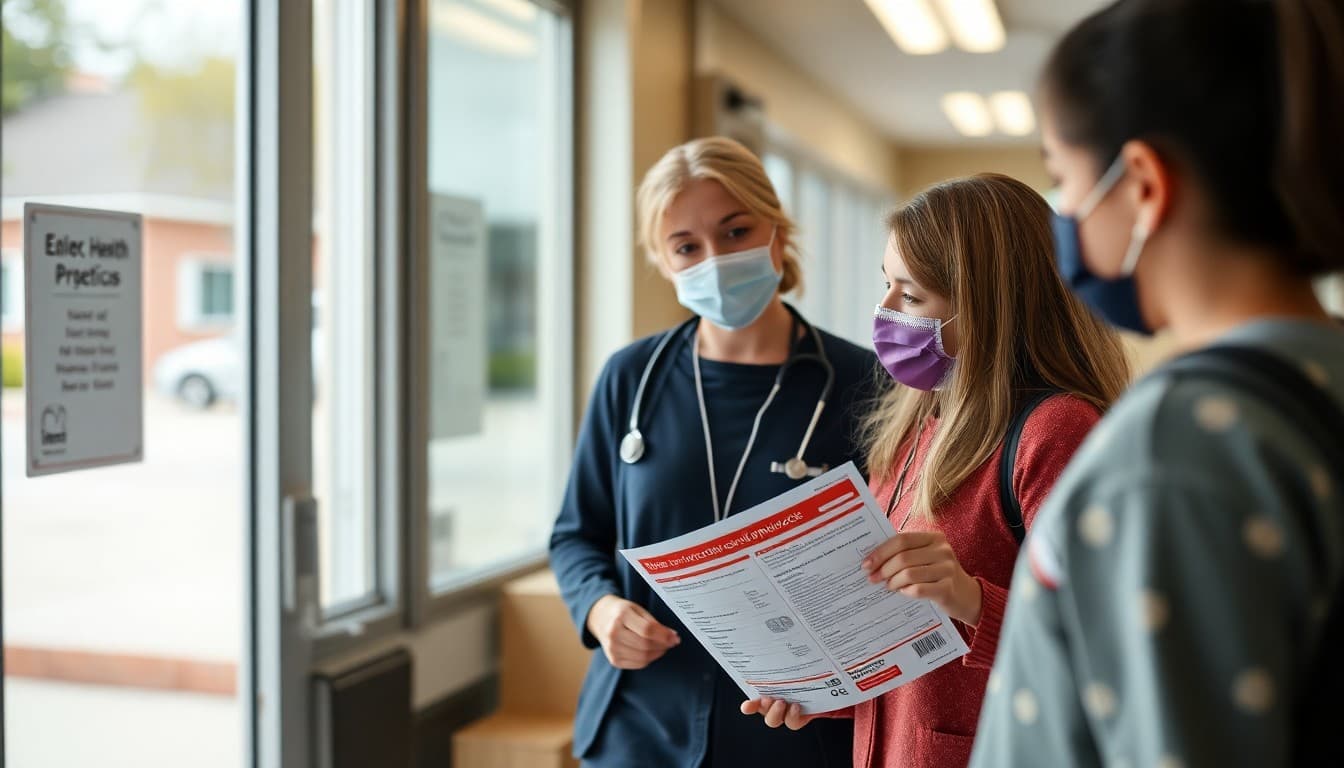
Superintendent Newsletter: COVID-19 and Health Update for Families
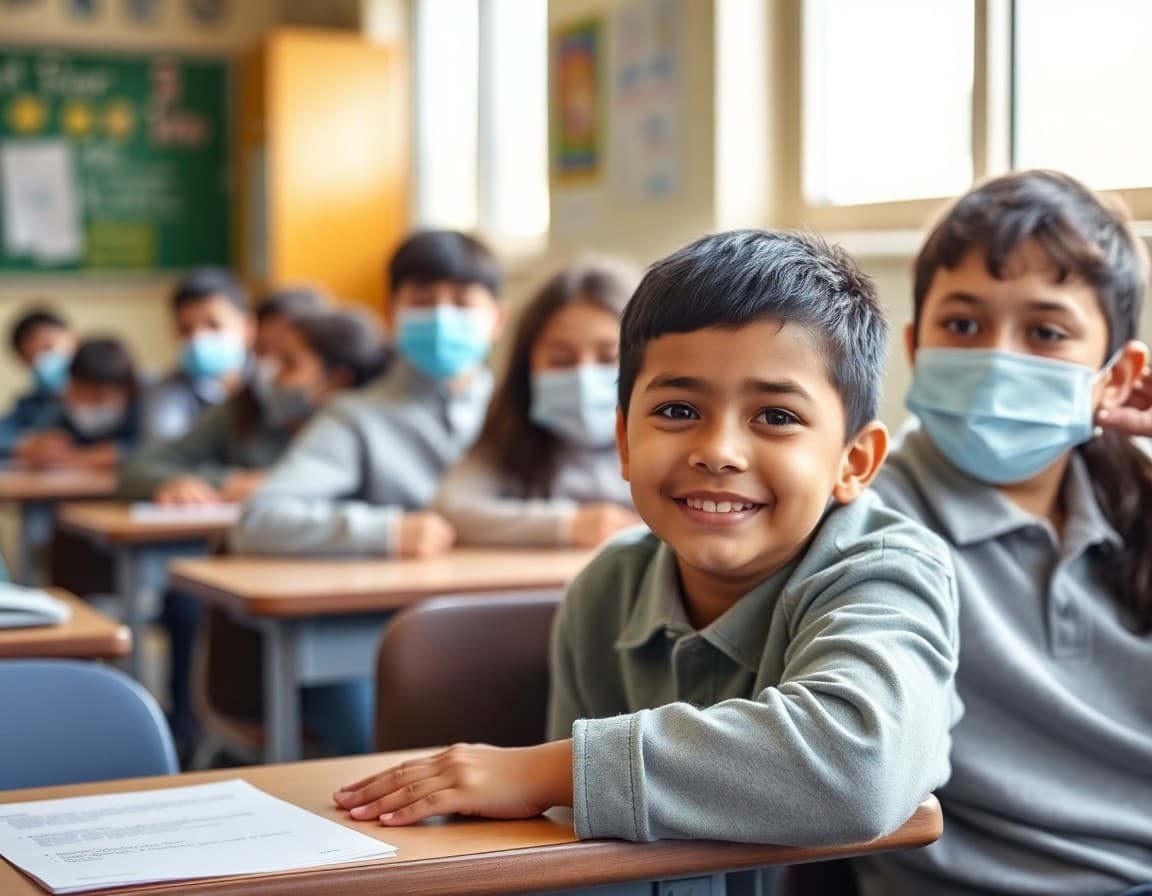
Health communications during a pandemic or respiratory illness season are among the most sensitive messages a superintendent sends. The stakes are high because families are making decisions about their child's health and safety based on what the district communicates. Getting the facts right, the tone right, and the timing right builds the community confidence that makes voluntary compliance with health protocols much stronger than any enforcement mechanism could achieve.
State Current Protocols Clearly at the Top
Do not bury the current guidance in an explanation of why protocols exist. Open the newsletter with what families need to do right now: what symptoms require a student to stay home, how long to isolate, when to test if they have access to tests, and how to notify the school. The most important practical information belongs in the first paragraph. Families who are reading quickly because they have a sick child at home will stop reading if they cannot find the answer in the first 60 seconds.
Report Current Case Activity Without Creating Alarm
If the district is seeing elevated respiratory illness or confirmed COVID cases, tell families in factual terms. "We have seen an increase in student absences related to respiratory illness across several schools over the past two weeks. This aligns with increased community activity reported by our county health department." That framing is honest without catastrophizing. Families who receive accurate information about what is happening in their school's community can make informed decisions about their own risk tolerance.
Explain How the District Notifies Families of Cases
Tell families exactly what happens when a confirmed case is identified at a school: who is notified, through what channel, within what timeframe. Families who know the notification process in advance experience a case notification with much less alarm than those who receive an unexpected email and have no frame for interpreting it. Preview the system so the communication feels like a managed response rather than a crisis alert.
Be Specific About Return-to-School Guidelines
Current COVID and general respiratory illness guidance has changed significantly since 2020. State the current return criteria precisely: number of days for isolation after a positive test, fever-free period required before return, and what to do if symptoms improve but testing is still positive. If the district has adopted guidance more conservative than the current CDC recommendation, explain why. If the district follows state health department guidance exactly, cite it and link to it.
A Sample Health Update Paragraph
Here is language that presents current protocols with clarity and appropriate context:
As we enter the fall respiratory illness season, we want to make sure all families are clear on our current health protocols. Students who test positive for COVID-19 should stay home for at least five days from the start of symptoms or positive test date, whichever comes first. They may return when they have been fever-free for 24 hours without fever-reducing medication and symptoms are improving. For other respiratory illnesses, students should stay home while symptomatic and until they have been fever-free for 24 hours. If your child tests positive, please notify your school's main office. We will send a notification to families in the same classroom within 24 hours without identifying the specific student. These protocols are aligned with current county health department guidance. Questions can be directed to your school nurse or to our district health line at the number below.
Provide Vaccination and Testing Resources
If updated COVID vaccines or other immunizations are available and recommended, include that information with a link to resources. If at-home testing is available through the district or through the health department, tell families how to access it. Making these resources visible is not an endorsement of a particular health decision. It is ensuring that families who want access to tools that reduce risk have the information to find them.
Address Attendance Pressures Honestly
Some families feel pressure to send a symptomatic child to school because of attendance policies or work constraints. Acknowledge that directly. "We know that keeping a sick child home creates real challenges for working families. We also know that a sick student at school spreads illness to classmates and staff, which is ultimately more disruptive for everyone. We want to work with you on attendance accommodations if keeping your child home creates a specific challenge." That acknowledgment respects the real tensions families face and opens a channel for problem-solving rather than compliance by guilt.
Close With a Calm, Forward-Looking Commitment
End the health update by reinforcing the district's overall commitment to maintaining in-person learning while protecting health. "Our goal is to keep schools open and students learning in person. These protocols are designed to do both. We will update families any time our guidance changes and we appreciate your partnership in keeping our school communities healthy." A calm closing that names the shared goal reorients the communication toward what the community is working toward together, not just what is being restricted.
Get one newsletter idea every week.
Free. For teachers. No spam.
Frequently asked questions
When should a superintendent send a COVID-19 health update to families?
At the start of each school year to set current protocols, any time guidance from health authorities changes, when district case activity reaches a threshold that warrants community notification, and when families express confusion about current requirements. Proactive, scheduled communication is far more effective than reactive updates sent only after cases spike.
What should a COVID-19 health update newsletter include?
Current isolation and exclusion guidance, when students can return after a positive test, how the district notifies families of confirmed cases, vaccination and testing resources if available, any district-level protocols that go beyond current public health guidance, and who to contact with health questions. Keep the information current and explicitly note when it was last updated.
How do you communicate about rising case activity without alarming families?
Report what you know: the general case trend in the community, whether the district has seen an increase in student absences, and what protocols are in effect. Contextualize the data against severity metrics if possible. Avoid language that suggests catastrophe when the situation is managed, and avoid minimizing language when families' concerns are legitimate.
How do you address families who disagree with COVID protocols on opposite ends?
Acknowledge that families have different comfort levels and different risk profiles. Explain the basis for current protocols, whether they come from the health department, the state, or district policy, and be clear about which protocols are required and which are recommended. Families who understand the distinction can make their own decisions within the framework of what is required.
What platform helps reach all families quickly with a time-sensitive health update?
Daystage is built for fast, district-wide communication. During a health situation that requires immediate family awareness, the ability to send a formatted, consistent message to every family in the district simultaneously is critical for maintaining community confidence.

Adi Ackerman
Author
Adi Ackerman is a former classroom teacher and curriculum writer with 8 years in K-8 schools. She writes about school communication, parent engagement, and what actually works in real classrooms.
More for Superintendent
Ready to send your first newsletter?
3 newsletters free. No credit card. First one ready in under 5 minutes.
Get started free