

Superintendent Newsletter: Where Our Graduates Are Going
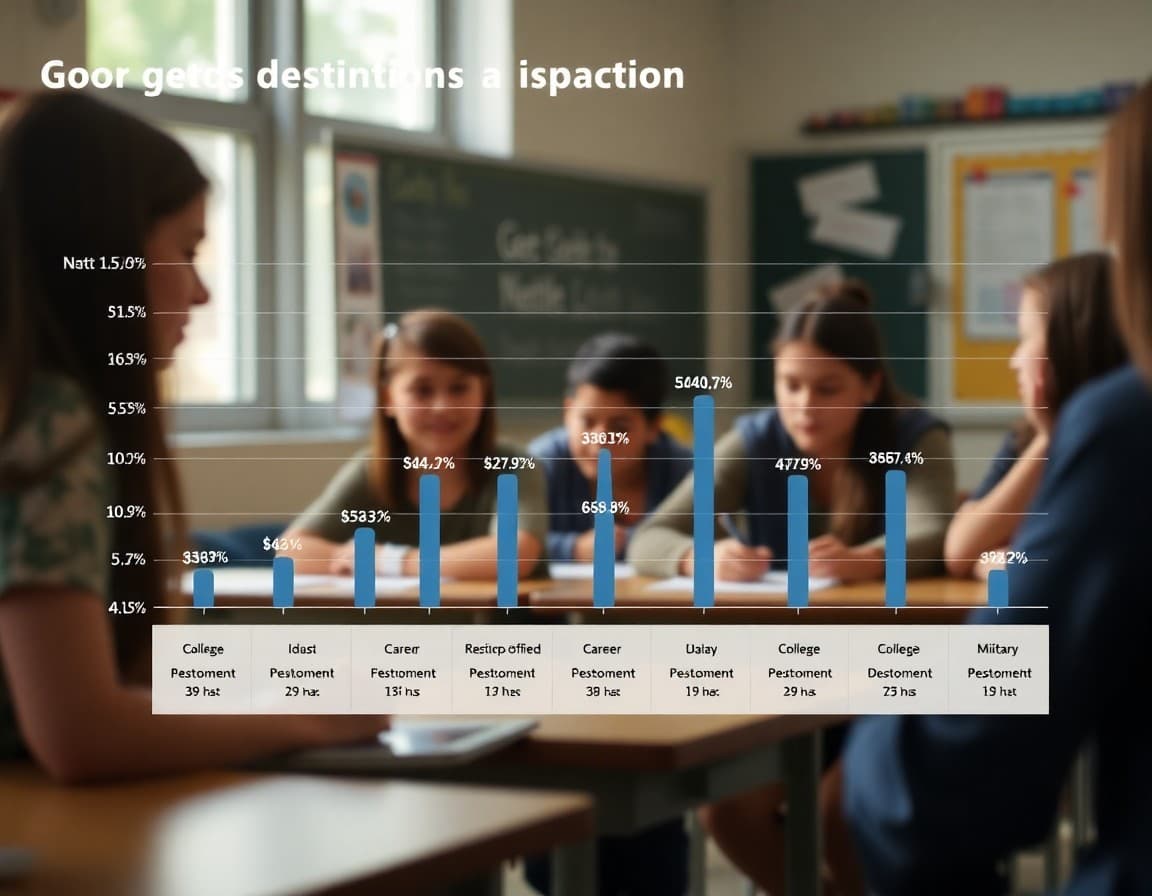
Where graduates go after high school is one of the most important measures of what a district actually produces. It deserves to be communicated to the whole community, not just posted on the high school website for families who happen to look.
A superintendent newsletter on graduate destinations builds confidence, celebrates the range of post-secondary choices, and gives families across all grade levels a picture of where the district is headed over time.
Lead with the complete distribution
Present the full picture of where this year's graduates enrolled. Four-year universities. Community colleges. Career and technical programs. Military service. Workforce entry. Each pathway represents a group of students the district prepared for a specific future. Present them all with equal weight.
If the data shows that the distribution has shifted over time, note the trend. Families who see a growing percentage of students entering two-year college pathways with clear career outcomes may have a very different view than those who only hear about four-year enrollment rates.
Celebrate specific accomplishments
Name a handful of notable achievements from this year's class. The first student in a family to attend a four-year university. A student who received a full merit scholarship. A student who was accepted into a competitive career apprenticeship program. A student who was commissioned as a military officer. Variety matters here: celebrating a wide range of accomplishments signals that all pathways are genuinely valued.
Note the scholarships awarded
If the district tracks scholarship amounts awarded to graduates, share the total. Even a rough aggregate, such as "this year's graduating class received over $4.2 million in scholarship commitments," tells the community something concrete about the district's college readiness outcomes.
Connect to the programs that prepared graduates
Name the district programs that led to these outcomes. The career and technical education pathways that produced students ready for apprenticeships. The college counseling services that helped students navigate applications. The dual enrollment program that allowed students to arrive at college with credits already earned. Connecting outcomes to programs builds support for those programs in future budgets.
Tell the story of one graduate in more depth
Choose one graduate whose story represents something meaningful about the class. One paragraph with their name, where they are going, and what it took to get there gives the newsletter a human dimension that data alone cannot provide.
Sample excerpt
"The Class of 2026 is heading to 127 different colleges and universities, entering 14 different career and technical programs, joining the military, and stepping into the workforce. Of the 487 graduates, 56% enrolled in four-year colleges, 24% in two-year colleges, 11% in CTE programs, and 7% in military or direct employment. Total scholarship commitments awarded this year reached $3.8 million, the highest in our district's recorded history. Among this class: Maria Nguyen, who spent her four years at Jefferson High in our automotive technology program, earned her ASE certification last spring, and starts full-time at Westside Auto Group in September."
Daystage delivers this communication to every family inbox in the district, giving families across all grade levels a clear picture of what the district prepares students for.
Get one newsletter idea every week.
Free. For teachers. No spam.
Frequently asked questions
What data should a graduate destination newsletter include?
The percentage of graduates enrolling in four-year colleges, two-year colleges, career and technical programs, military service, and direct employment. Year-over-year trends if available. Any notable scholarship amounts or competitive program acceptances. The goal is a complete picture of where the class is going, not just the headline college enrollment number.
How do you communicate about graduates who are entering the workforce directly without implying that is a less successful outcome?
Frame all pathways as intentional choices the district prepares students to make. Workforce entry is an appropriate and viable outcome for students who have completed career and technical programs or who have strong employment prospects. The newsletter should present multiple pathways with equal dignity.
Should the newsletter mention specific colleges by name?
Yes, selectively. Naming a few notable or diverse college choices adds texture and human interest to the data. If a student from the district earned a full scholarship to a competitive university, naming that is appropriate recognition. Listing every institution would be unwieldy.
How do you handle a year where college enrollment rates declined?
Name the decline, provide context (economic conditions, regional labor market factors, national trends), and describe what the district is doing to continue supporting college access. Families who see decline without explanation or response will draw their own conclusions, which are often more damaging to the district's reputation than the honest data.
How does Daystage support post-secondary outcome communication to all families?
Daystage delivers the graduate destinations newsletter to every family in the district, including families with students in the early grades who are planning ahead. For college and career readiness communication, the earlier families understand what the district produces, the more invested they are in the programs designed to get students there.

Adi Ackerman
Author
Adi Ackerman is a former classroom teacher and curriculum writer with 8 years in K-8 schools. She writes about school communication, parent engagement, and what actually works in real classrooms.
More for Superintendent
Ready to send your first newsletter?
3 newsletters free. No credit card. First one ready in under 5 minutes.
Get started free