

Superintendent Newsletter: What Our School Climate Survey Revealed
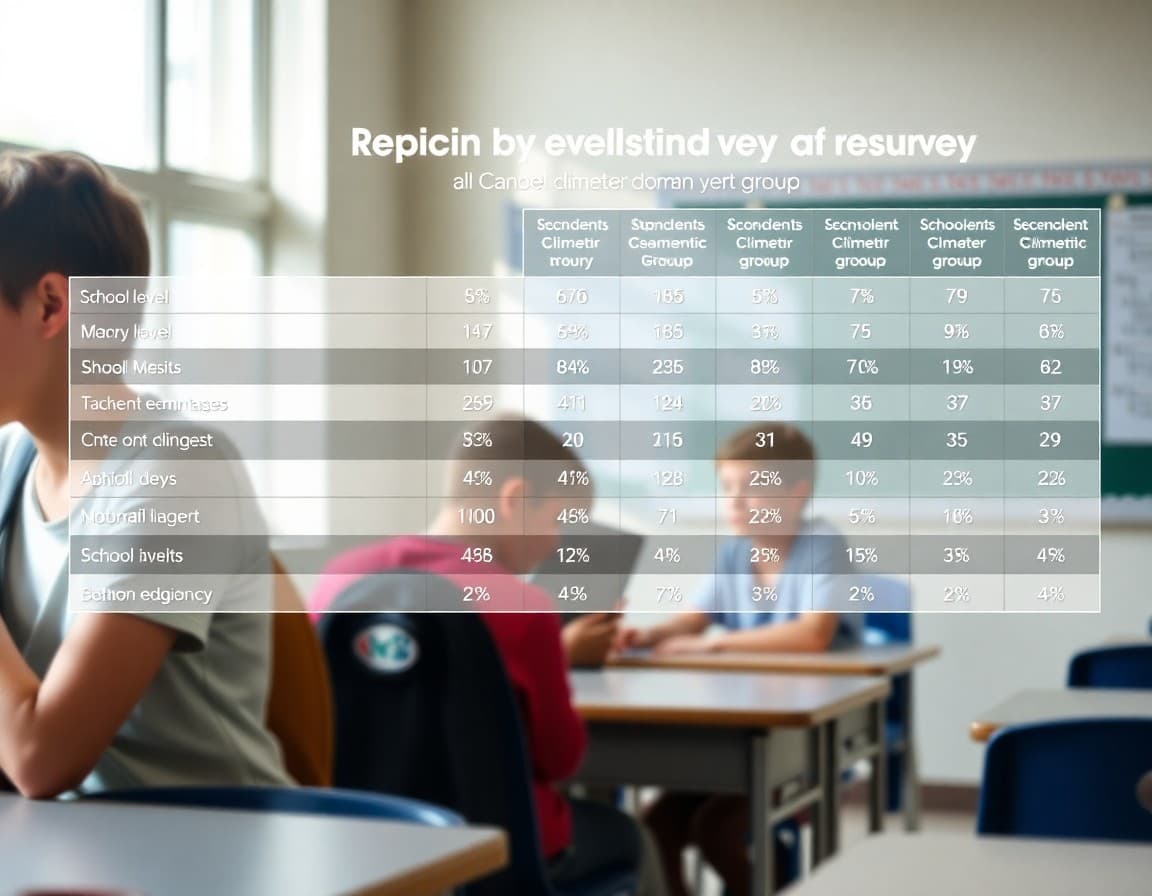
A school climate survey only has value if the district does something with the results. Sharing those results with families, including the findings that point to real problems, is what converts a data collection exercise into a meaningful accountability loop.
Superintendents who report climate survey results honestly, name what they reveal, and describe a credible response build far more community trust than those who quietly file the results and move on.
Summarize participation first
Begin by reporting how many students, families, and staff participated in the survey. High participation rates validate the results. Lower participation rates require acknowledgment: "We heard from 42% of families, which means our results reflect a strong sample but not every household."
Participation data also tells families whether the district reached communities that are typically underrepresented in school feedback, which matters for equity-focused districts.
Lead with what the results show, not what the district hopes they show
Present the findings directly. What percentage of students reported feeling safe at school? What percentage of families said adults at school treat their child with respect? Where did the scores improve from last year, and where did they decline?
The newsletter should reflect what respondents actually said, not what the district wishes they had said. Selective or softened reporting is noticed and damages credibility.
Name the areas that need work
If a significant percentage of students reported not feeling heard by adults, say so. If middle school students rated peer respect significantly lower than elementary students, name that gap. Specific identification of problem areas signals that the district is reading the data rather than skimming it.
Describe the response plan concretely
For each major area of concern, name the specific action the district is taking. Not a commitment to "take this seriously" but a named program, a training initiative, a staffing addition, or a policy change. The more specific the response, the more credible the communication.
Close the loop from last year
If this is not the first climate survey, show what changed based on last year's results. Families who see that prior survey data led to real changes are more motivated to participate next year and more likely to trust that this year's results will also matter.
Sample excerpt
"This spring, 68% of students and 55% of families completed our district climate survey. The results show meaningful progress on school safety: 84% of students reported feeling physically safe at school, up from 77% two years ago. The area where we have the most work to do is adult-student relationships at the middle school level, where only 58% of students agreed that adults at school truly care about them. That number is not acceptable to us. Beginning this fall, all middle school staff will complete a two-day restorative practices training before school starts. We will resurvey middle school students in February and share what we find."
Daystage delivers these climate updates to every family inbox in the district, ensuring that the families most in need of this information actually receive it.
Get one newsletter idea every week.
Free. For teachers. No spam.
Frequently asked questions
Should a superintendent share climate survey results even when some results are negative?
Yes. Sharing only positive survey results, or softening negative results beyond recognition, tells staff and families that the district collects data but does not use it honestly. The point of a climate survey is to surface what needs improvement. Reporting the results transparently is what makes the survey worth doing.
How do you present climate data that shows significant variation between schools?
Report district-wide results and then note that results varied by site, with the lowest-rated schools receiving targeted support. You do not need to rank every school publicly. But acknowledging variation prevents the district average from masking serious problems at specific campuses.
What is the difference between a climate survey and a satisfaction survey?
A climate survey asks about specific conditions: whether students feel safe, whether adults treat them fairly, whether they have trusted adults at school, whether their school addresses bullying. A satisfaction survey asks more generally whether families are happy. Climate surveys produce more actionable data and deserve more substantive reporting.
How long should a superintendent wait after a climate survey before communicating results?
Communicate results within 60 days of survey close. Families who took a survey and hear nothing for six months reasonably conclude that the results were either bad or irrelevant. Timely communication shows the survey was taken seriously.
How does Daystage support survey result communications at the district level?
Daystage delivers formatted newsletters to every family inbox in the district without requiring a portal login. For climate survey results, this ensures that the families most likely to be affected by school climate issues, who may be least likely to check a district portal, still receive the communication.

Adi Ackerman
Author
Adi Ackerman is a former classroom teacher and curriculum writer with 8 years in K-8 schools. She writes about school communication, parent engagement, and what actually works in real classrooms.
More for Superintendent
Ready to send your first newsletter?
3 newsletters free. No credit card. First one ready in under 5 minutes.
Get started free