
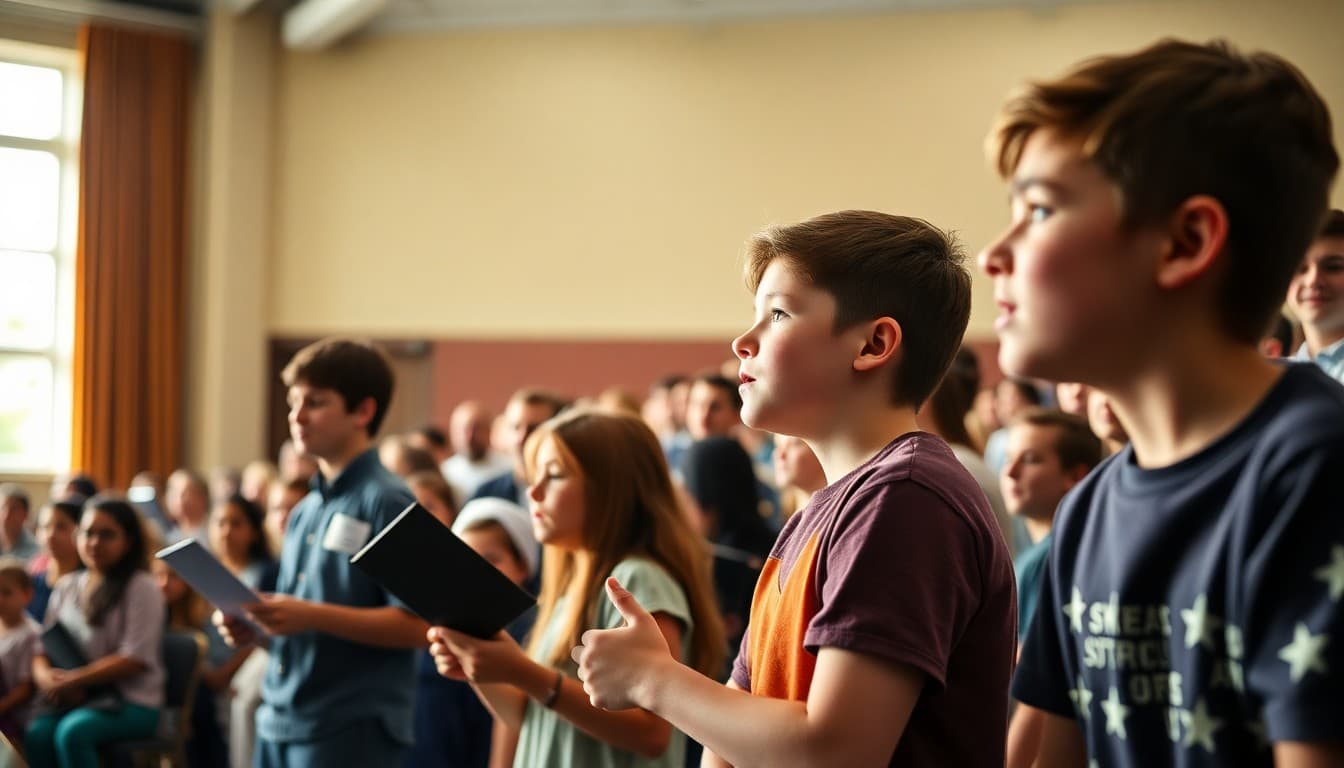
Superintendent Newsletter: Celebrating Arts Programs Across the District

Arts education often suffers from a communication gap. The performances happen, the students create extraordinary work, and the teachers pour real skill and time into the programs, but families across the district rarely hear the full scope of what is happening.
A superintendent newsletter that celebrates arts programs across the district corrects that gap and builds the community support that arts education needs to survive every budget cycle.
Tell families the scope of arts programming
How many students across the district are involved in arts programs? What disciplines are offered: visual arts, music, theater, dance, film, digital media? At what school levels? Families may not know that a student at their child's school can take band starting in fourth grade, or that the high school offers AP Art History and studio art electives. Naming the full scope is the first step to building engagement with it.
Highlight specific student accomplishments
Feature two or three student or ensemble accomplishments from the past semester. A state competition placement. A student whose work was selected for exhibition. A theater production that sold out two nights. A choir performance at a regional event. Specific accomplishments make the programs feel alive rather than administrative.
Name the arts educators
Arts teachers at the district level often work with more students than almost any other educator in the building. A band director might teach 150 students. A middle school art teacher might work with the entire sixth grade. Naming these educators and noting the scope of their work gives them recognition they rarely receive in the same visibility as academic teachers.
Connect arts to academic outcomes
Research consistently shows that students engaged in arts programs have higher attendance rates, stronger social-emotional skills, and often better performance on academic assessments. A brief mention of what the district's own data shows for arts-engaged students, or a reference to well-established research on arts education outcomes, grounds the celebration in evidence.
Invite families to upcoming performances
If the newsletter is timed ahead of a performance season, include a brief events listing or a link to the district arts calendar. Community attendance at student performances signals that the work matters, and it motivates students and teachers alike.
Sample excerpt
"More than 2,200 students across our district are enrolled in arts programs this year, from kindergarten music to AP Studio Art at our high schools. This fall, our Jefferson High orchestra placed second in the statewide competition, our first top-three finish in eight years. At Washington Elementary, the school's student-made mural was installed in the city library lobby and will be on display through March. These accomplishments reflect the work of 28 arts educators who bring extraordinary skill and commitment to programs that serve students of every background and academic level. Spring concerts and performances are listed at ourdistrict.org/arts. Come and see what your students have been creating."
Daystage delivers this celebration to every family inbox, with the ability to include photos and links that make the newsletter as visually engaging as the programs it highlights.
Get one newsletter idea every week.
Free. For teachers. No spam.
Frequently asked questions
Why should a superintendent spotlight arts programs in a district newsletter?
Arts programs are frequently undercommunicated, which makes them vulnerable to cuts when budget pressures arise. A superintendent who publicly celebrates arts education builds community understanding of its value and signals that the district treats arts as a core part of the educational program, not an expendable add-on.
How do you make an arts newsletter compelling for families whose children are not in arts programs?
Connect arts education to outcomes that matter to all families: improved engagement, stronger creative problem-solving, cross-disciplinary connections to math and literacy. Share specific student stories that illustrate these connections. And note that arts participation is open to all students, which invites families to consider involvement they may not have thought about before.
Should the arts newsletter include outcome data or just celebration?
Both. Celebrating student performances and artistic accomplishments is appropriate and valuable. Connecting those accomplishments to outcome data, such as higher attendance rates among arts program participants or cross-disciplinary performance gains, grounds the celebration in evidence that budget-minded community members will find meaningful.
How do you recognize arts teachers specifically in the newsletter?
Name them by school and discipline. Note specific accomplishments: a band director whose ensemble placed first at the state competition, a visual arts teacher whose class work was displayed at a community gallery, a drama teacher whose students performed at a district-wide showcase. Individual recognition motivates the people being recognized and their colleagues.
How does Daystage support arts program communication to all district families?
Daystage lets the superintendent include photos of student work, performance highlights, and links to video recordings within the newsletter, delivered directly to family inboxes. For arts communication specifically, the ability to show rather than just describe transforms the newsletter into a genuine celebration.

Adi Ackerman
Author
Adi Ackerman is a former classroom teacher and curriculum writer with 8 years in K-8 schools. She writes about school communication, parent engagement, and what actually works in real classrooms.
More for Superintendent
Ready to send your first newsletter?
3 newsletters free. No credit card. First one ready in under 5 minutes.
Get started free