
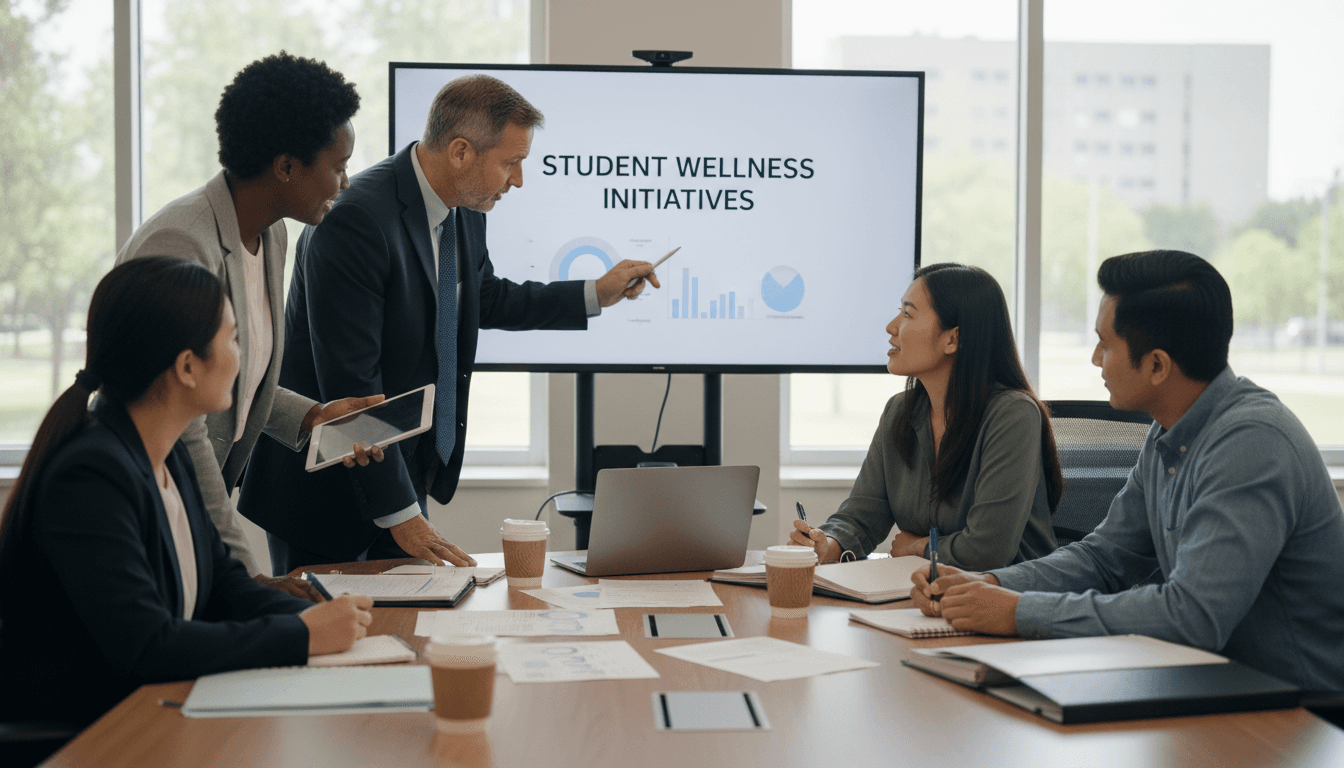
Superintendent Mental Health Initiative Newsletter: Communicating Student Wellness Programs

Student mental health has moved from a niche concern to a central educational priority in the past several years. Rates of anxiety, depression, and crisis among school-age children have increased in ways that are now visible in classrooms, in counseling caseloads, and in academic performance data. Superintendents who address this directly in their communications build trust with families who are watching their own children struggle.
The communication challenge is real. Mental health in school communities carries stigma. Some families resist mental health programs on cultural or religious grounds. Others fear labeling their children. The superintendent who can communicate about student wellness in a way that reduces rather than amplifies these concerns is providing genuine community service.
Why this communication matters now
Most families know that student mental health has worsened over the past several years. They have seen it in their own children, in their children's friends, and in national news coverage. What many families do not know is what their specific district is doing about it.
A superintendent who can answer that question specifically, with data and program descriptions, addresses a real family concern. And families whose concern has been addressed are more likely to enroll in the district, to maintain enrollment through difficult academic periods, and to advocate for the district in their communities.
What to include
A mental health initiative newsletter should cover:
- Why the district is investing in mental health support now. What the data shows about student wellness in your district. Survey results, counseling referral trends, attendance patterns related to anxiety or stress. Make the need visible before describing the response.
- What programs and staff are in place. School counselor ratios, social worker positions, mental health coordinator roles, partnerships with community mental health organizations. Who is there for students and what they do.
- What is new or expanding. If you are launching a new program, adding staff, or expanding services, explain what prompted the investment and what it will add.
- How families can access support. Specific steps for a family concerned about their child. Not just "contact your school counselor." A clear process that families can follow.
- How families can help at home. Specific, practical guidance from your counseling team about what families can do to support student mental health outside school hours.
What to avoid
Do not use clinical language that creates distance. "Social-emotional learning competencies" does not communicate anything to most families. "We are teaching students how to manage stress, resolve conflicts, and ask for help when they need it" communicates clearly.
Do not frame all student mental health support as crisis intervention. That framing increases stigma. Build the communication around the full continuum: prevention and wellness for all students, early support for students showing concern signs, and crisis response for students in acute need.
Do not make the newsletter only about student mental health in isolation from academic context. Student anxiety often manifests as academic avoidance, attendance problems, and declining performance. Connecting mental health support to academic outcomes helps families understand the full picture.
Tone and framing
Mental health communication should be matter-of-fact about the challenge and warm about the district's commitment to students. Not alarmist. Not clinical. Not dismissive of concerns families have about program approaches.
Acknowledge that families have different perspectives on mental health support in schools. Some families want schools to focus only on academics. Others want a comprehensive wellness approach. Your communication does not have to resolve that debate. It does need to describe what the district is doing and why it is in students' interests.
Example section
"This year, we added a full-time social worker to each of our five elementary schools. Before this year, we had one district-level social worker serving all schools. The shift was driven by data: last year, school counselors at elementary schools reported spending more than 40% of their time on crisis response rather than prevention and support. That ratio tells us students needed more than we were providing. The new social workers have been in buildings since September. Early data shows that counselors are now spending significantly more time in classrooms and in group support work, which is where prevention happens. If you have concerns about your child's emotional wellbeing, your school social worker is now a direct contact. Their information is in the school directory."
Daystage delivers mental health communications directly to family inboxes, ensuring that information about support resources reaches families when they need it. For communication about something as important as student wellness, delivery friction is not acceptable.
Get one newsletter idea every week.
Free. For teachers. No spam.
Frequently asked questions
How do you communicate about student mental health without stigmatizing students who need support?
Frame mental health support as a standard part of student development, not as a service for students with serious problems. Language matters. 'Wellness resources available to all students' sends a different message than 'support services for students in crisis.' Normalize access before describing the programs.
What data should a superintendent include in a mental health initiative newsletter?
Student-reported wellness survey data, counseling caseload information, and program outcome data where it exists. Families need to understand the scope of the need before they can appreciate the response. Describing mental health investments without context reads as spending for its own sake.
How do you communicate about a student mental health crisis without violating privacy?
Acknowledge that the district has experienced an increase in student mental health needs without disclosing information about specific students. You can describe trends, programs, and district response without identifying who sought services or experienced crisis.
Should a superintendent communicate when a student dies by suicide?
Yes, but this requires specific protocols developed with mental health professionals. Suicide communication in school communities requires following evidence-based messaging guidelines from organizations like SAMHSA or AFSP to avoid contagion risk. Consult with your school mental health team and legal counsel before sending.
What is the best tool for superintendents to send district newsletters?
Daystage is built for exactly this. It handles district-wide sends to thousands of families, maintains consistent branding across all schools, and delivers the newsletter inline in Gmail and Outlook, which is where parents actually read their email. Superintendents using Daystage report that families engage with district communication at much higher rates compared to portal-based tools.

Adi Ackerman
Author
Adi Ackerman is a former classroom teacher and curriculum writer with 8 years in K-8 schools. She writes about school communication, parent engagement, and what actually works in real classrooms.
More for Superintendent
Superintendent Safety Update Newsletter: Keeping Families Informed Without Causing Panic
Superintendent · 8 min read
Superintendent Equity Initiative Newsletter: Communicating DEI Programs to the Community
Superintendent · 8 min read
Superintendent Curriculum Changes Newsletter: How to Explain What's Changing and Why
Superintendent · 8 min read
Ready to send your first newsletter?
3 newsletters free. No credit card. First one ready in under 5 minutes.
Get started free