
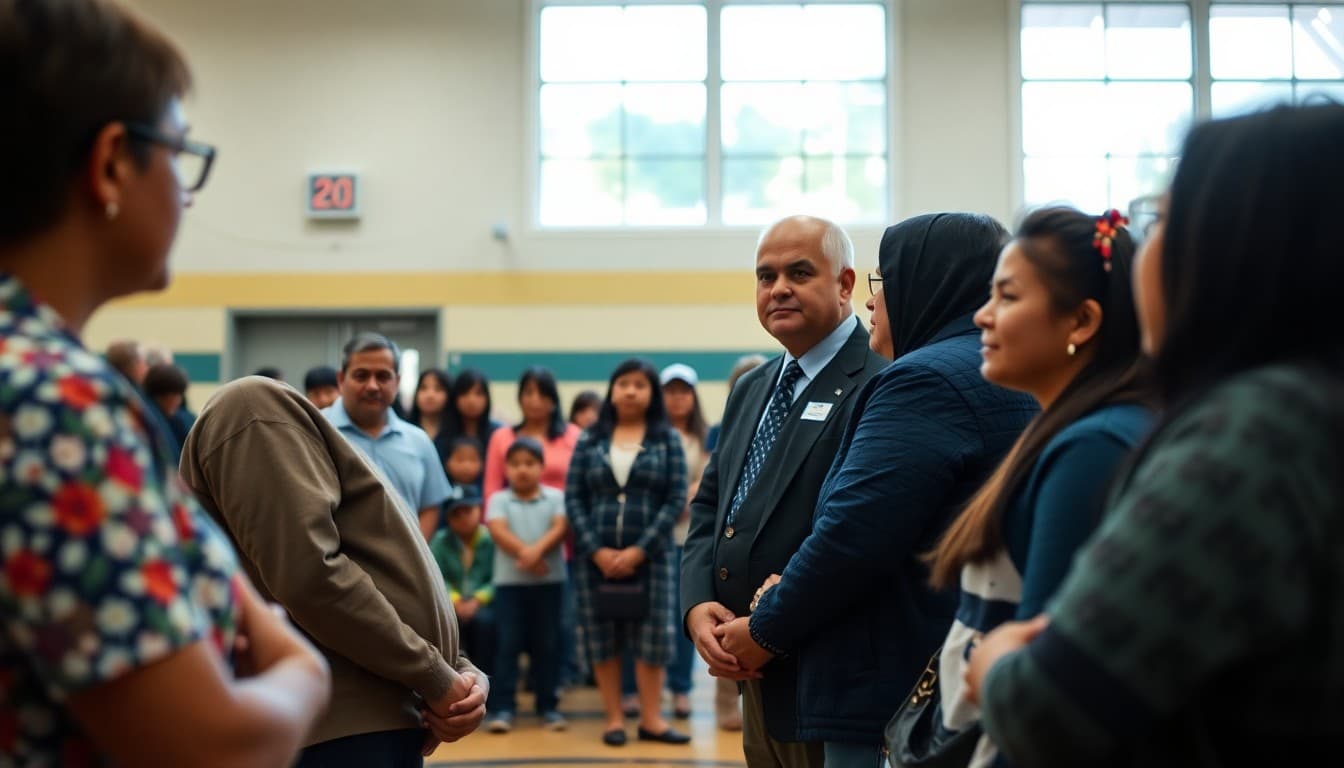
Superintendent ELL Program Newsletter: Supporting Language Learners

English language learner programs serve some of the fastest-growing populations in American schools, and they are frequently misunderstood by families outside the program. A superintendent's newsletter is one of the few channels that can reach all families with information about ELL services, building both support and understanding across the community.
Start with the Numbers
How many students in your district are identified as English language learners? What languages do they speak? How many have been reclassified as English proficient in the past year? "This year, 1,240 students in our district, 14% of total enrollment, are identified as English language learners. They speak 28 languages, with Spanish, Somali, and Hmong as the three most common." These numbers orient every family to the scope of the program before you explain what the district provides.
Explain What Services Are Available
Many families, including families of ELL students themselves, do not fully understand what services are available. Name them specifically. Designated ELD instruction, sheltered content classes, bilingual paraprofessional support, parent liaison services, after-school English language development, and translation at parent conferences are all worth naming. Families who know what is available are more likely to ask for it.
Share Reclassification Data
Reclassification is the clearest measure of whether your ELL program is working. "This year, 187 students were reclassified as English proficient, a 12% increase from last year." Pair this with context: average time to reclassification, and the academic performance of reclassified students in the year after reclassification. These numbers demonstrate program effectiveness without requiring families to understand ELPAC score levels.
Address Dual Language Programs Specifically
If your district offers dual language or two-way immersion programs, explain them. "Our Spanish-English dual language program at Jefferson Elementary currently serves 340 students in kindergarten through fifth grade. Students in the program develop literacy and academic skills in both languages. The program is open to all students, not only Spanish speakers, and enrollment for next year opens January 15." Families who do not know this program exists cannot choose it for their child.
Give ELL Families a Clear Point of Contact
ELL families often need support navigating the enrollment, assessment, and services process. Name a specific contact: "Families with questions about ELL services should contact our district ELL Coordinator, Ana Reyes, at areyes@district.org or by calling 555-0102. Ms. Reyes speaks Spanish and can connect families with translators in other languages." A named person with contact information is far more useful than a department phone number.
Acknowledge the Bilingual Staff Who Make It Work
ELL programs depend on specialized teachers, bilingual paraprofessionals, and family liaisons who are often invisible in district communication. Name them. A brief recognition of the team behind the program signals that the district values specialized expertise, and it is meaningful to the staff who do this work.
Connect ELL Success to Community Benefit
Students who are proficient in more than one language graduate with a measurable skill advantage. If your district offers a Seal of Biliteracy, describe it and share how many students earned it last year. "Last June, 94 graduating seniors earned the California Seal of Biliteracy, recognizing their proficiency in English and at least one additional language. This number has grown 34% over the past three years." This framing helps non-ELL families see language learning as a district strength, not a cost center.
Get one newsletter idea every week.
Free. For teachers. No spam.
Frequently asked questions
What should a superintendent include in an ELL program newsletter?
Include the number of students served, the languages represented, the programs available, how families can access services, and what the district's reclassification data looks like. Families of ELL students need to understand the support their child receives. Families of non-ELL students benefit from understanding how language learning programs contribute to the whole school community.
Should the ELL newsletter be translated?
Yes. If you are communicating about ELL programs, you are communicating with the families who are most likely to benefit from translated materials. At minimum, translate the newsletter into the top three or four languages spoken in your district. Daystage supports multilingual sends, and translation should be a standing practice for any communication about language learner services.
How do you communicate ELPAC results to families without it being confusing?
Translate the scale into plain language. 'Students in levels 1 and 2 are early in their English language development and receive intensive support. Students in levels 3 and 4 are developing proficiency and are working toward reclassification. Students who reach level 4 and meet academic benchmarks are eligible to be reclassified as English proficient.' Then share your district's distribution and reclassification rate.
How do you address a community in which some families resent ELL services as taking resources from other students?
Be direct about the legal framework and the educational rationale. Title III requirements exist regardless of community sentiment. The research on dual language programs shows academic benefits for all students, not just language learners. You can acknowledge that some families have questions about resource allocation while being clear that the district is committed to serving all students, including those acquiring English.
What is the best way to send multilingual newsletters to ELL families across a district?
Daystage supports district-wide sends and can be used to send translated versions to families organized by language preference. Reaching ELL families in their home language, directly in their inbox, rather than posting translated documents to a website portal, significantly increases access.

Adi Ackerman
Author
Adi Ackerman is a former classroom teacher and curriculum writer with 8 years in K-8 schools. She writes about school communication, parent engagement, and what actually works in real classrooms.
More for Superintendent
Ready to send your first newsletter?
3 newsletters free. No credit card. First one ready in under 5 minutes.
Get started free