

Superintendent Community Schools Newsletter: Wraparound Services Update
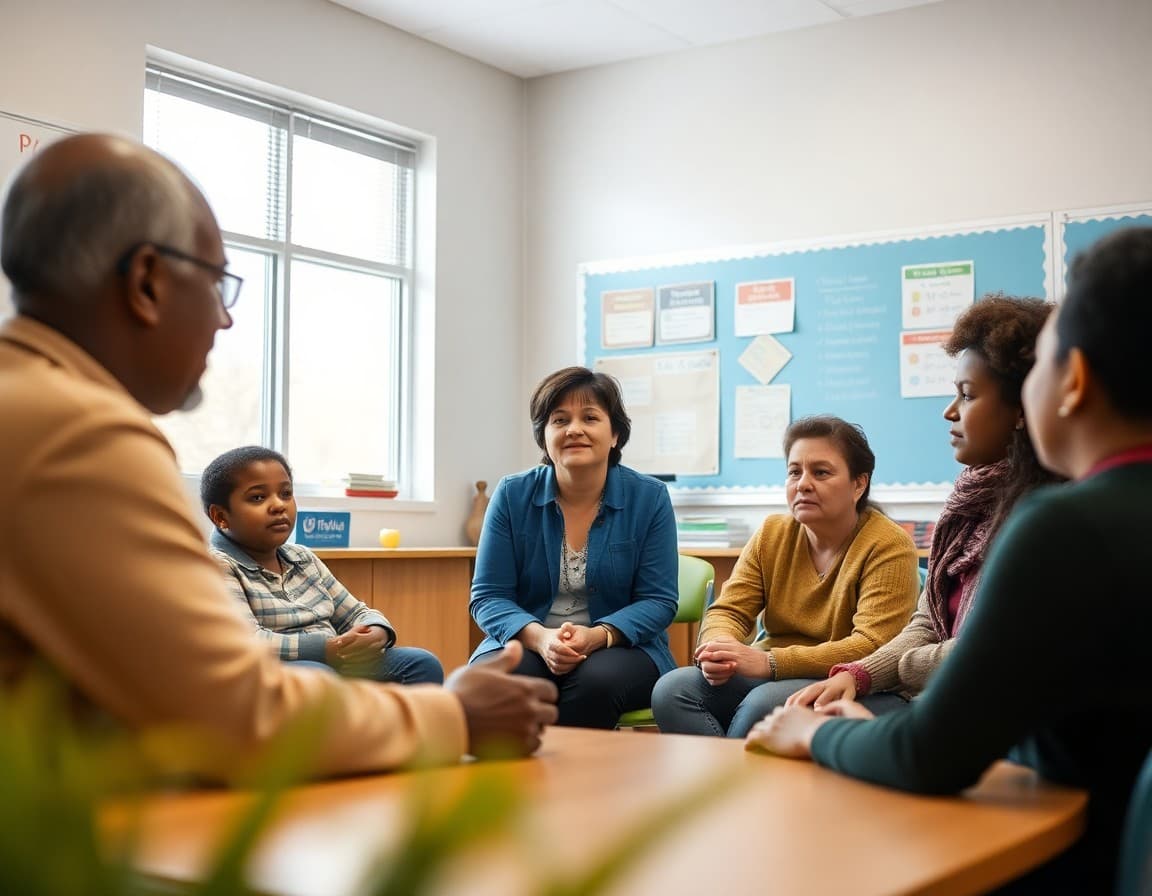
Community schools recognize a simple reality: students cannot learn when they are hungry, sick, unstable at home, or dealing with crises their families cannot resolve. The community schools model brings services to the school building so families do not have to choose between getting help and staying connected to their child's education. Communicating about this model well requires specifics.
Name Which Schools Are Community Schools
Not every school in a district may be a community school. Name the schools that are, and explain the selection. "Jefferson Elementary, Lincoln Middle School, and Roosevelt Elementary are our three community schools this year. These schools serve the neighborhoods with the highest rates of chronic absenteeism and family economic need. We selected them as the first sites for the initiative and plan to expand to three additional schools in year two."
List the Services Available at Each Site
Be specific. Generic references to "wraparound services" mean nothing to a family that needs a dental appointment. "At Jefferson Elementary, families can access the following services during school hours: free vision and dental screenings, mental health counseling for students and family members, after-school care until 6:00 p.m., a weekly food pantry, and an adult ESL class on Tuesday and Thursday evenings. The family resource center is open Monday through Friday from 8:00 a.m. to 5:00 p.m."
Name the Site Coordinators
Each community school should have a coordinator who helps families navigate services. Name them. "Rosa Chavez is the Family and Community Engagement Coordinator at Jefferson Elementary. She can help families connect with any of the services listed above, including services not located at the school. She can be reached at rchavez@district.org or 555-0188 and is available by appointment or walk-in."
Explain How the Initiative Is Funded
Community schools initiatives are typically funded through a combination of federal grants, state programs, and community partnerships. Families who understand the funding are better positioned to advocate for its continuation. "Our community schools initiative is funded through a three-year grant from the California Community Schools Partnership Program. Grant funding covers the coordinator position, service contracts, and family engagement activities. We are working now to identify sustainable funding for year four."
Share Early Outcome Data
If you have first-year data, share it. "In the first year of our community schools initiative, chronic absenteeism at Jefferson Elementary dropped from 31% to 22%. Family visits to the resource center averaged 45 per week. 180 students received vision screenings, and 34 were identified as needing glasses they previously did not have." Those numbers make the abstract model concrete.
Invite Community Partners to Contribute
Community schools rely on partnerships. The newsletter is an efficient way to invite organizations to get involved. "We are seeking community partners who can offer services at our community school sites. If your organization provides health services, legal aid, financial counseling, employment support, or family programming, contact our Community Schools Director at csdirector@district.org." Partners who see this invitation include health clinics, legal aid organizations, and local nonprofits that are already looking for school-based placements.
Include a Family Story
With permission, share a brief story from a family who benefited from community school services. "One Jefferson family told us that a vision screening last fall identified that their second-grader needed glasses. The family had not prioritized it because of cost. The school connected them with a provider who fit glasses at no charge. The student's reading scores improved significantly in the following trimester." A single concrete story is worth more than five paragraphs of model description.
Get one newsletter idea every week.
Free. For teachers. No spam.
Frequently asked questions
What is the community schools model and how should a superintendent explain it?
A community school is a school that serves as a hub for wraparound services: healthcare, mental health, housing assistance, food support, adult education, and social services, all available at the school building. The superintendent's job in a newsletter is to explain what services are available, at which schools, during what hours, and how families can access them without stigma.
What should a superintendent include in a community schools newsletter?
Which schools are community schools, what services each site offers, the hours services are available, who the site coordinator is, how to access services, and how the initiative is funded. Families who receive vague descriptions of 'wraparound services' cannot act on them. Specific services with specific access information are what drives use.
How do you communicate community school services without stigmatizing the families who need them?
Frame services as community resources available to everyone, not as support for struggling families. 'Our family resource center is open to all families, whether you need a health screening, help with a job application, or just want to connect with other parents in the school community.' Universal framing removes the barrier of asking for help.
How do you sustain community school communication over time?
Treat it like a standing newsletter section rather than an annual announcement. Include a community schools update in every newsletter: new services added, usage numbers, a story from a family who accessed a service, a profile of a community partner. Regular mention normalizes community schools as part of the district's identity.
What newsletter platform helps superintendents share community school resources efficiently?
Daystage handles district-wide sends with clear formatting for resource-rich newsletters. Community schools newsletters often include multiple service listings and contact information that families need to find quickly on a mobile device. Daystage makes that layout work consistently.

Adi Ackerman
Author
Adi Ackerman is a former classroom teacher and curriculum writer with 8 years in K-8 schools. She writes about school communication, parent engagement, and what actually works in real classrooms.
More for Superintendent
Ready to send your first newsletter?
3 newsletters free. No credit card. First one ready in under 5 minutes.
Get started free